Showing page 17 of 69
The staggering energy gap between biological and artificial intelligence isn’t just a curiosity, it’s the defining hardware challenge of our decade.
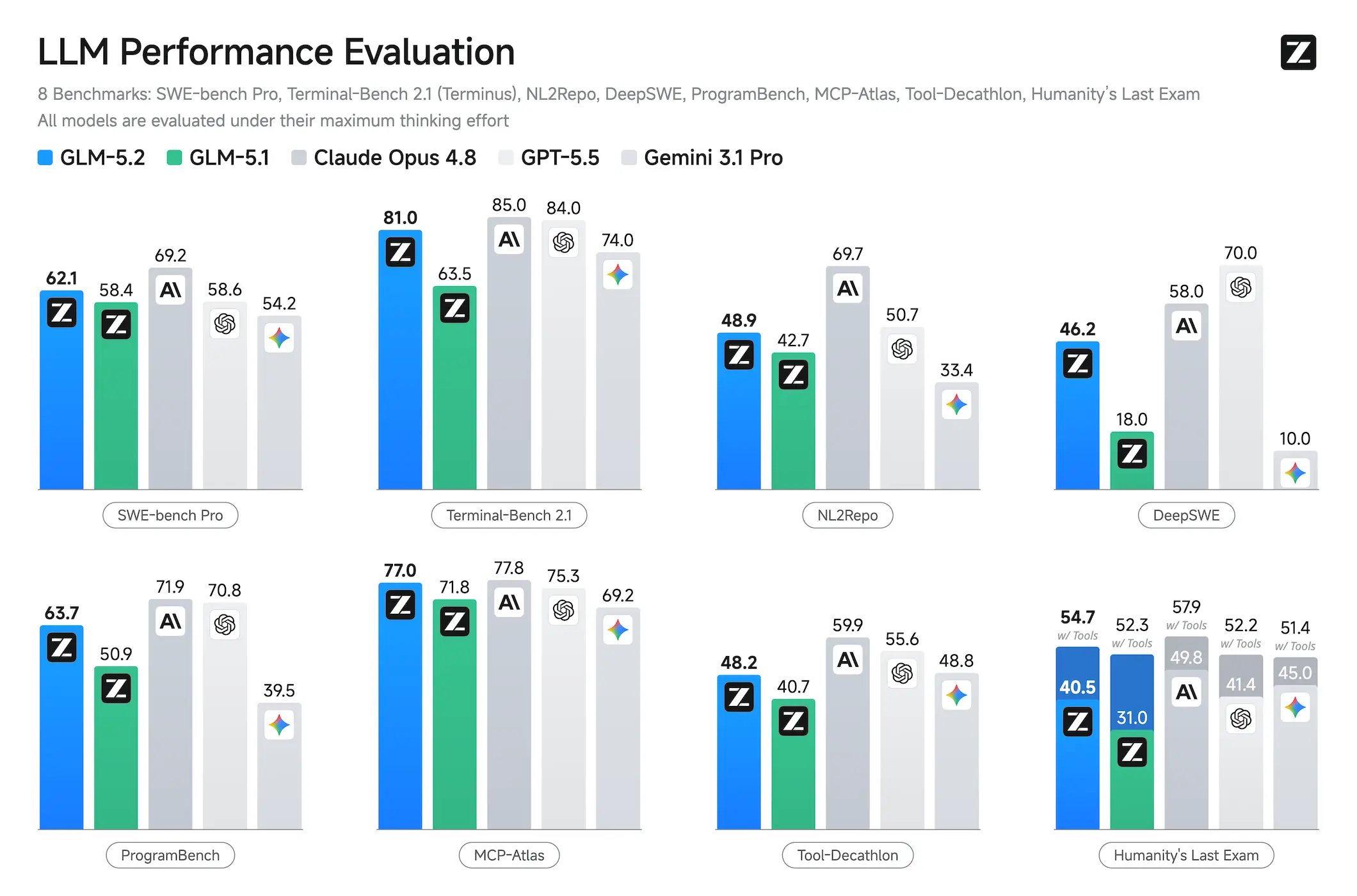
GLM-5.2 is the third-best model overall, but its MIT license means the real magic, distillation into small, local models, hasn’t even started yet.
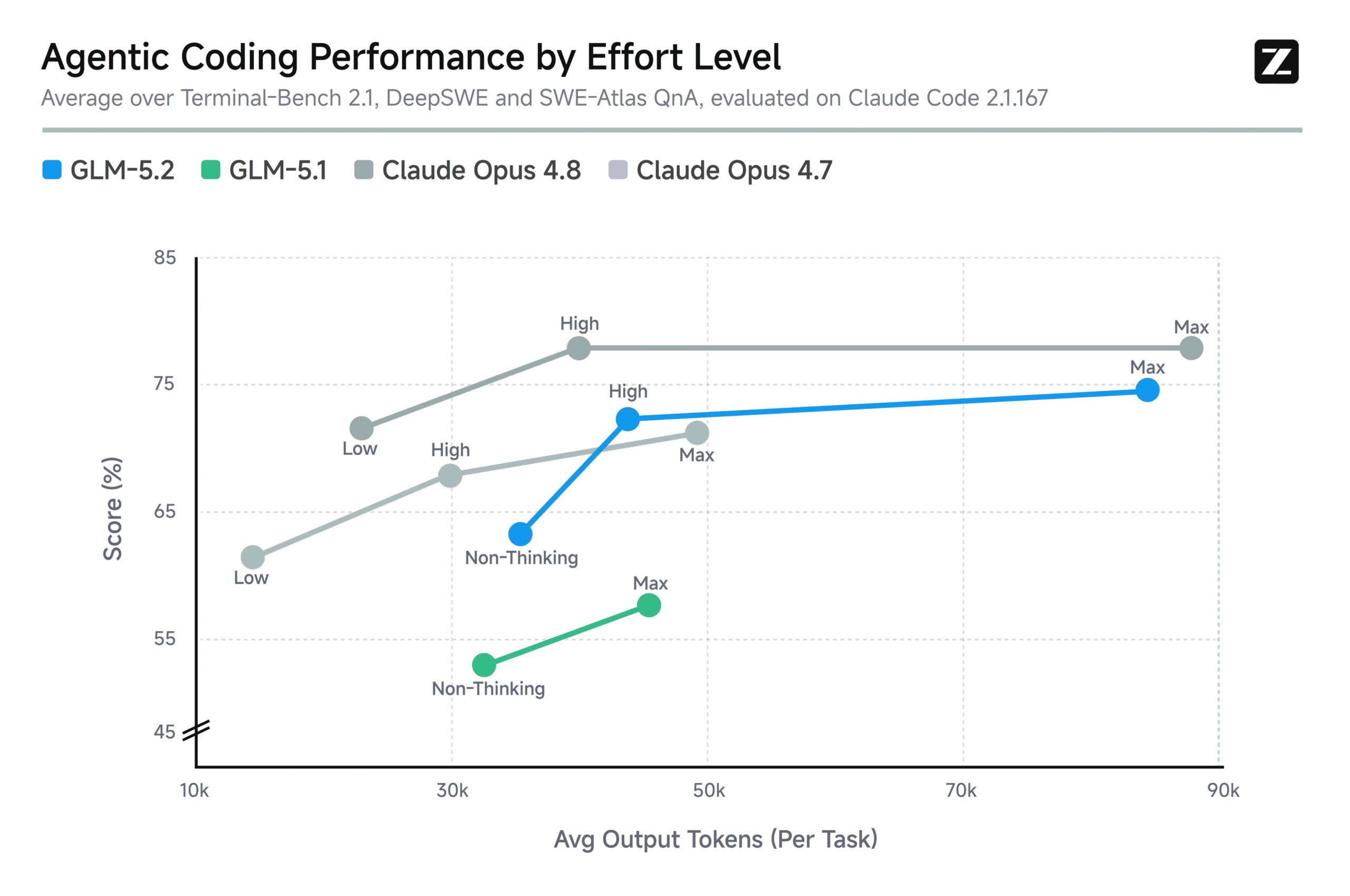
Z.AI’s GLM-5.2 is the first open-weight model to cross 80% on Terminal-Bench, beating Gemini and threatening the closed-source business model. Here’s how 753B parameters and an MIT license are reshaping the AI landscape.
Adobe’s creative suite dominance faces an existential threat from AI’s exponential evolution. Can $500M in AI-first ARR save a business model built on scarcity?
Xiaomi’s MiMo V2.5 hits 3000 tps with a 1-trillion-parameter model using a radical FP4 quantization and a ‘block-diffusion’ drafter. Here’s the tech that made it happen and the catch.
One day after the US shut down Anthropic’s Fable 5, ZAI dropped GLM-5.2 under MIT license. This isn’t a coincidence, it’s a calculated geopolitical strategy that exposes the fragility of closed AI models.
An emergency export control forced Anthropic to disable Fable 5 and Mythos 5 globally over a jailbreak that found minor code bugs. This is your warning about centralized AI APIs.
Anthropic’s apology for hidden guardrails in Claude Fable reveals a systemic architecture failure. This post dissects the opaque design, the cascading trust issues, and what it means for AI system reliability.
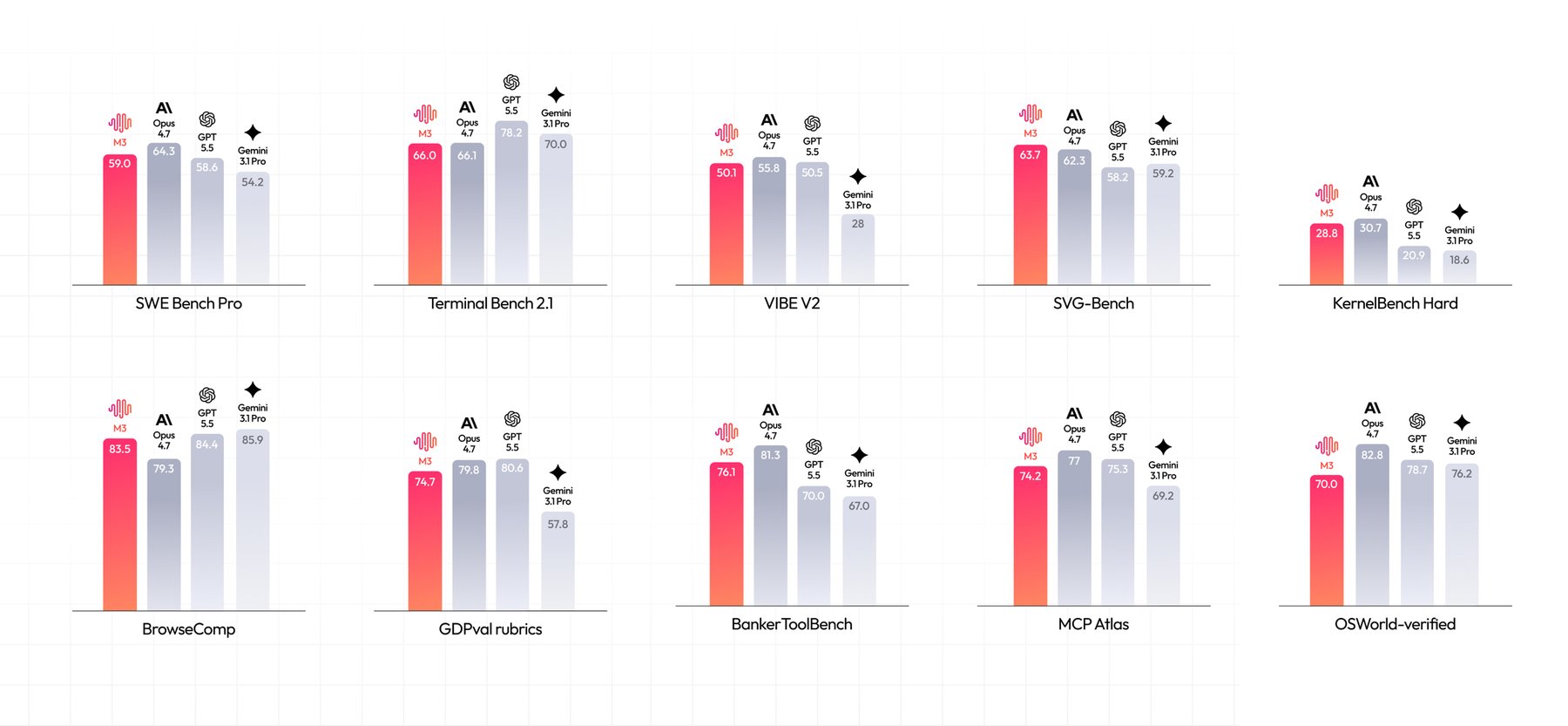
MiniMax surprises the AI community by dropping M3’s open weights on a Friday evening. Here’s what this means for the open LLM landscape versus Qwen, Llama, and Gemma.
A distinguished engineer at a hyperscaler reveals that Fable 5 shows little practical improvement over previous models in iterative software engineering. Benchmark leaps don’t translate to the real world.
Xiaomi’s MiMo v2.5 hits 1000 TPS on a trillion-parameter model using commodity GPUs. Here’s the deep dive on the FP4 quantization, DFlash speculative decoding, and TileRT systems alchemy that made it possible.
China approved NEO, the world’s first invasive brain-computer chip for use outside clinical trials. It’s less invasive than Neuralink, already on insurance, and a paralyzed patient used it to write again.