Showing page 16 of 69
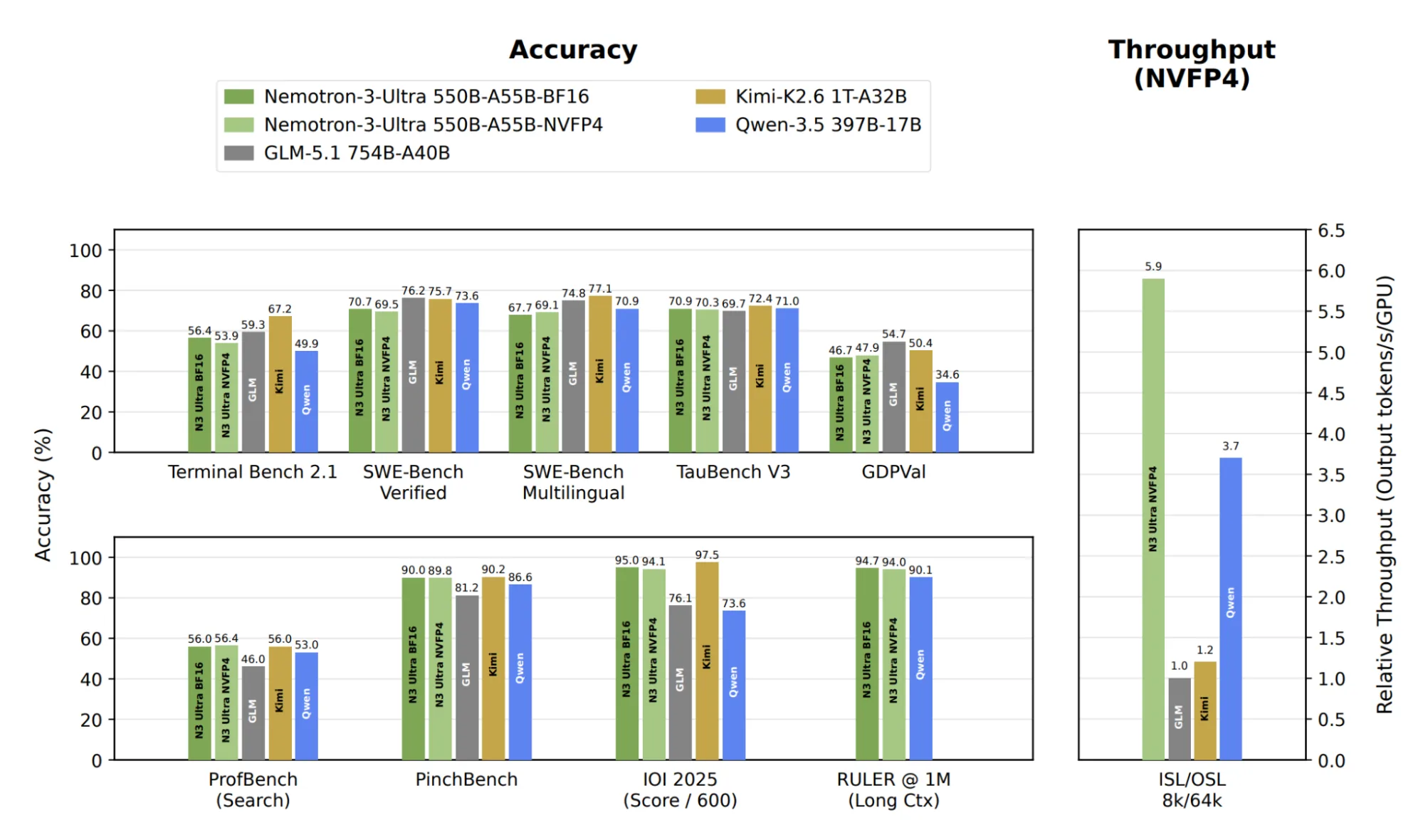
NVIDIA’s Qwen3.6-27B-NVFP4 squeezes a 27B model into 22GB while matching, and sometimes beating, FP8 accuracy. Here’s how the quantization magic works and why it matters for local LLM deployment.
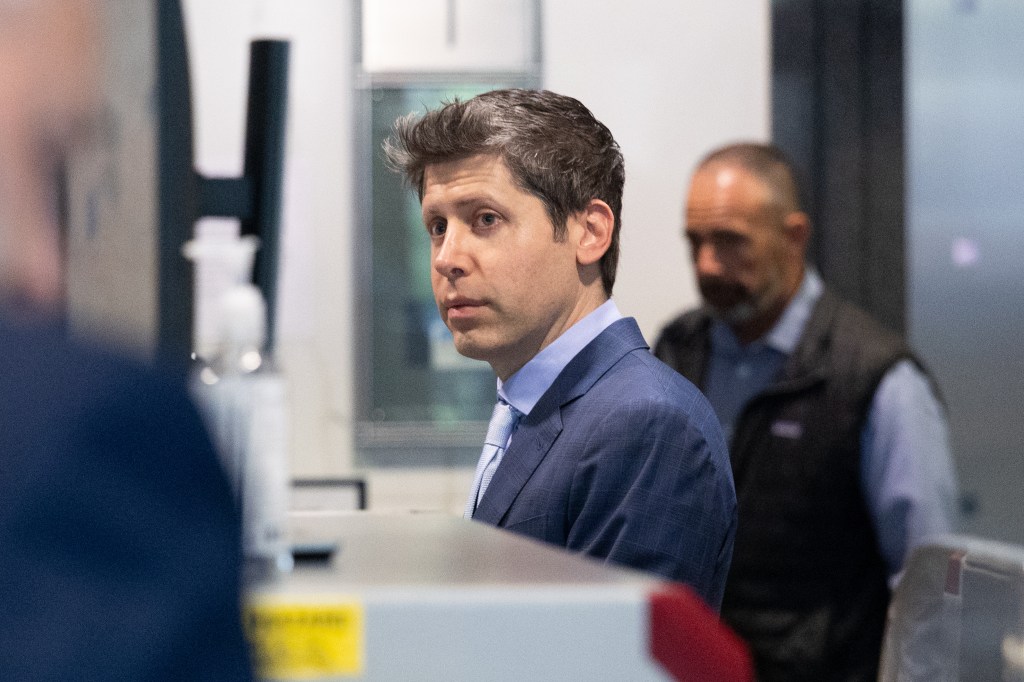
The US government just asked OpenAI to vet GPT-5.6 users ‘customer by customer.’ This isn’t safety, it’s a power grab that could hand the AI ecosystem to China.
Apple skips M6 Pro and Max chips to fast-track the AI-focused M7. What this means for local inference, memory bandwidth, and the future of Mac.
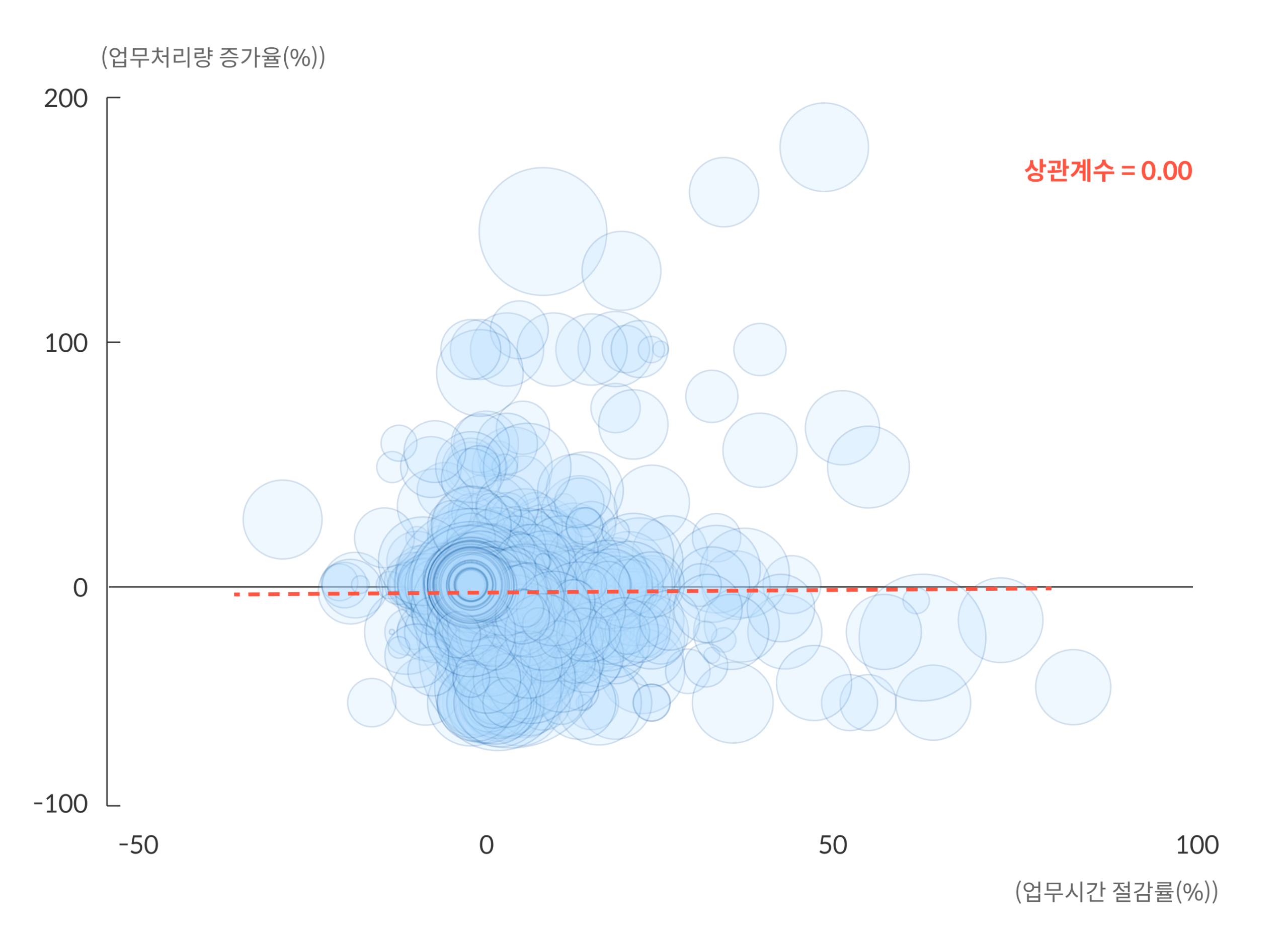
The Bank of Korea reports that AI saves workers only about one hour per week and finds zero correlation with increased output, challenging the productivity narrative pushed by US tech giants.
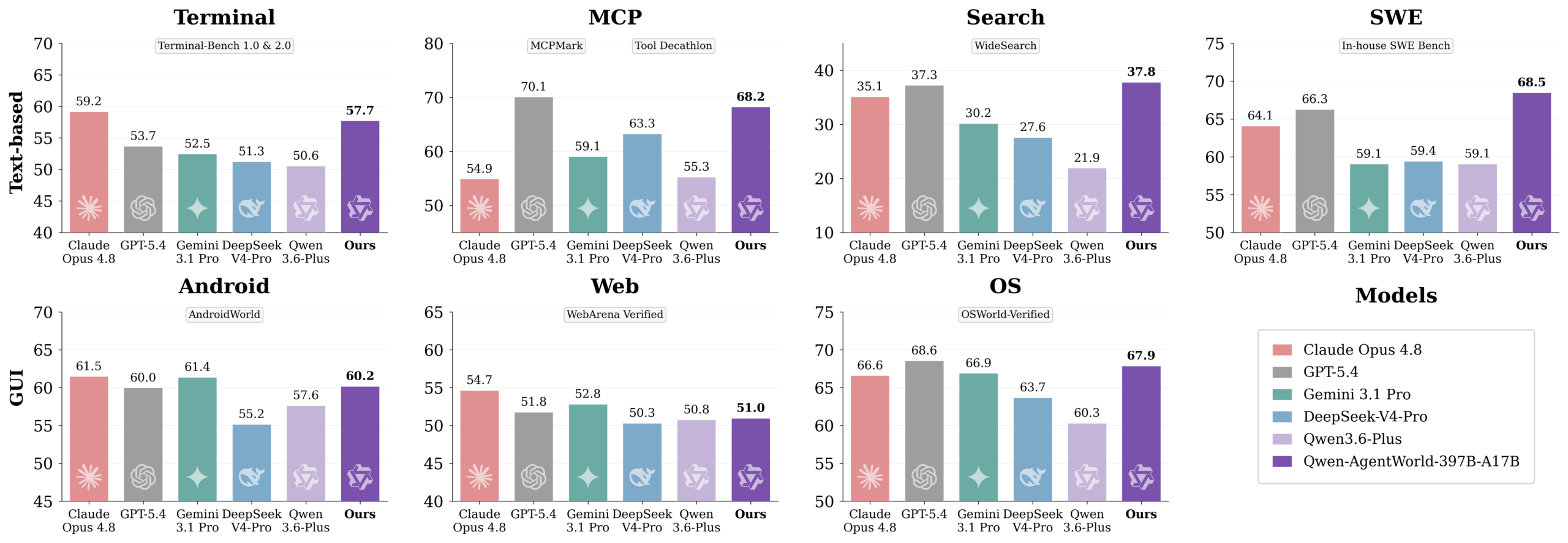
Alibaba’s new 35B MoE model (3B active) can simulate seven different agent environments, MCP, terminal, web, Android, and more, without running the real tools.
Baidu’s new MIT-licensed 3.3B model parses entire books in one shot with a constant memory footprint, demolishing the page-by-page for-loop paradigm. Here’s the architectural magic that makes it work.
Deep dive into the R-SWA attention mechanism behind Unlimited OCR, which makes KV cache growth a non-issue and enables one-shot parsing of entire books.
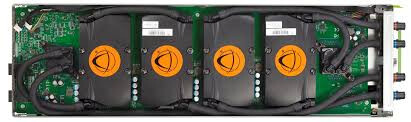
A Chinese hacker team spent a year decoding 2,963 pinouts to build a custom V100 PCB with full NVLink. It costs $220. Here’s how they did it and why it matters.
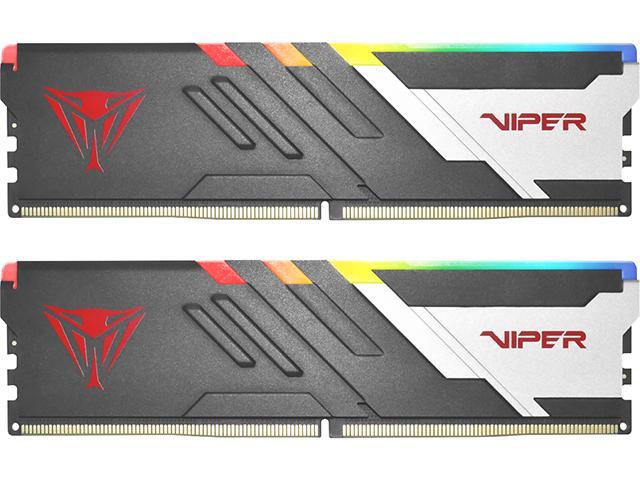
Tracking DDR5 across four EU countries reveals a 28% price drop in under a month. Germany is 20% cheaper than the Netherlands. Here’s what it means for local LLM builders.
Leaked audited financials reveal OpenAI lost $38.5 billion in 2025. With open-source models eating market share and costs spiraling, the path to profitability looks increasingly like a mirage.
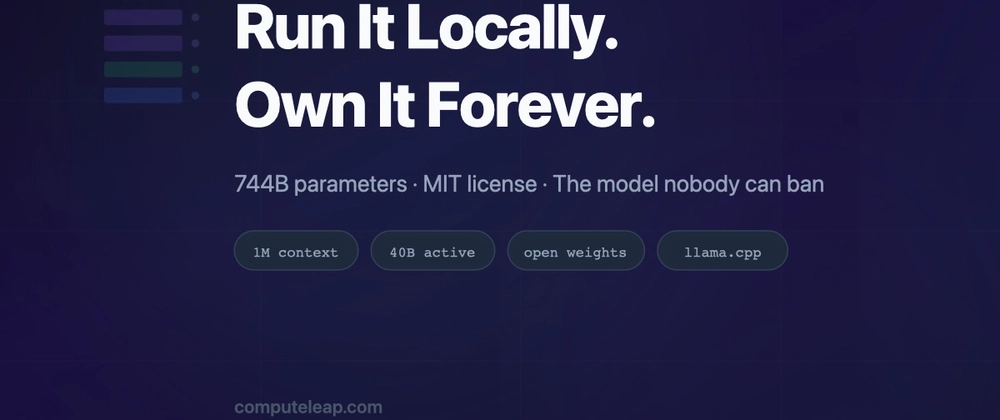
GLM-5.2 tops the creative writing leaderboard, is free on Hugging Face, and Unsloth’s 2-bit quant puts this 753B beast on a 256GB Mac. This is the local AI breakthrough you’ve been waiting for.
Open model makers are skipping the sweet spot for unified memory owners. A deep dive into the gap, the hardware, and what we can do about it.