Showing page 1 of 39
AWS’s acquisition of DuckLabs is a strategic masterstroke. Here’s what it means for PostgreSQL, data lakes, and the future of embedded analytics.
The binary-first movement is pushing Protobuf into every layer of the stack. Here’s where it genuinely helps, and where it’s just trading one set of problems for a worse set.
AI can generate code faster than ever, but the fundamental complexities of software architecture remain unsolved. Here’s why.
Anthropic’s Sonnet 5.5 rewrites the rules of LLM efficiency, running 30% faster while scoring 7x higher on agentic coding. We dig into the architectural shifts that made it possible.
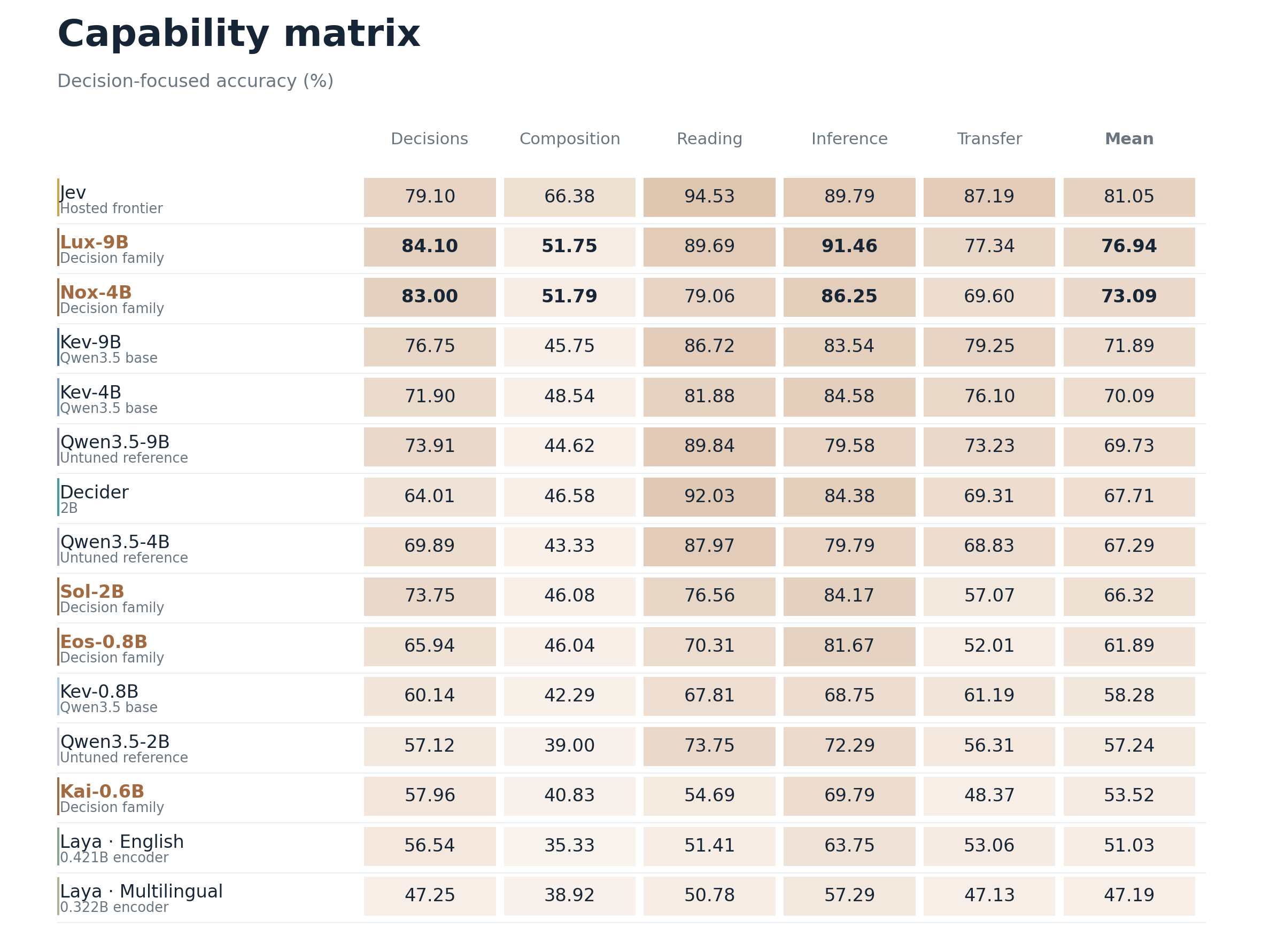
A 0.8B parameter model trained locally with ~30ms latency challenges the assumption that real AI requires cloud-scale infrastructure.
Token bucket rate limiting looks simple, but the burst versus sustained rate trade-off is where APIs die. Here’s what production systems actually do.
When Postgres sits at 30% CPU but requests wait 800ms for a connection, the bottleneck isn’t the database. Here’s how to spot, fix, and prevent connection pool exhaustion.
Pirate Face turns 669,000+ Hugging Face models into torrents that can never be deleted. A deep dive into the decentralized AI shadow library pushing the limits of open model distribution.
A Pentagon probe blamed AI overreliance for a missile strike that killed 168 people at an Iranian school. The architectural failures behind this tragedy have urgent lessons for anyone building safety-critical AI systems.
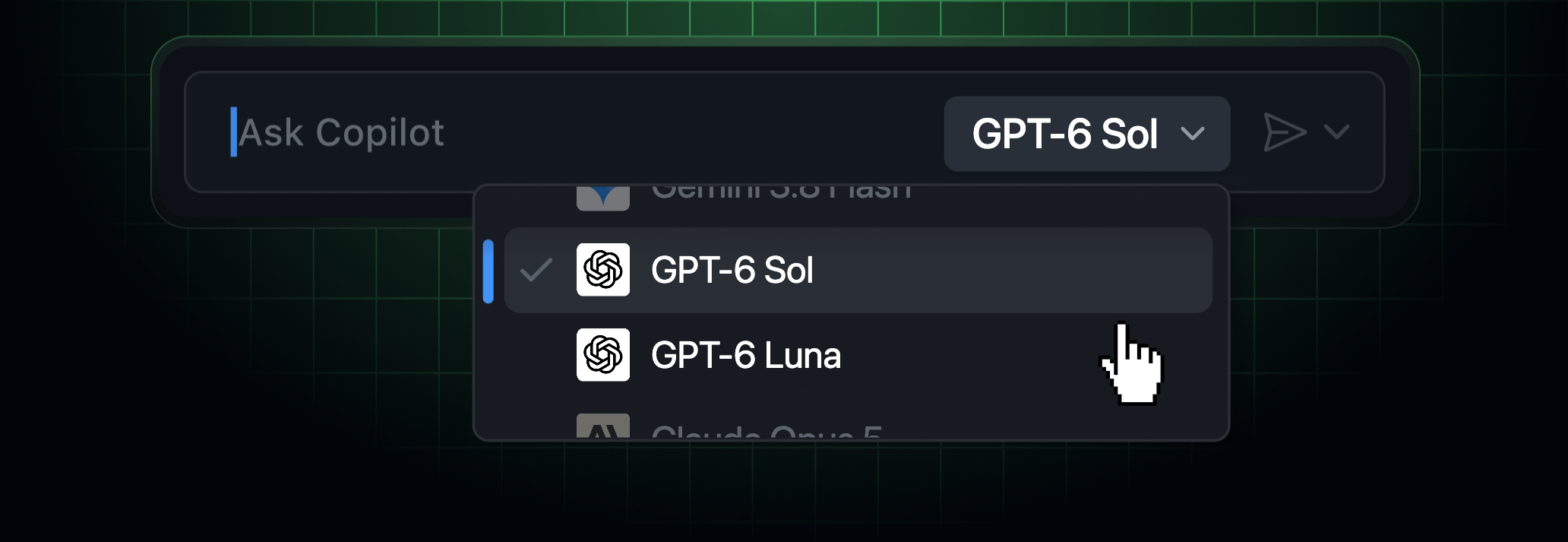
OpenAI’s dual-model release signals a strategic shift from monolithic AI to specialized architectures. Here’s what Sol and Luna mean for production systems.
Mermaid made diagrams versionable, but they still rot. Here’s why bidirectional editing closes the feedback loop, and why most teams still won’t use it.
Spark Declarative Pipelines are becoming native to Apache Spark 4.1. Here’s what changes for data engineers, and why the open-source community is finally paying attention.