Showing page 2 of 39
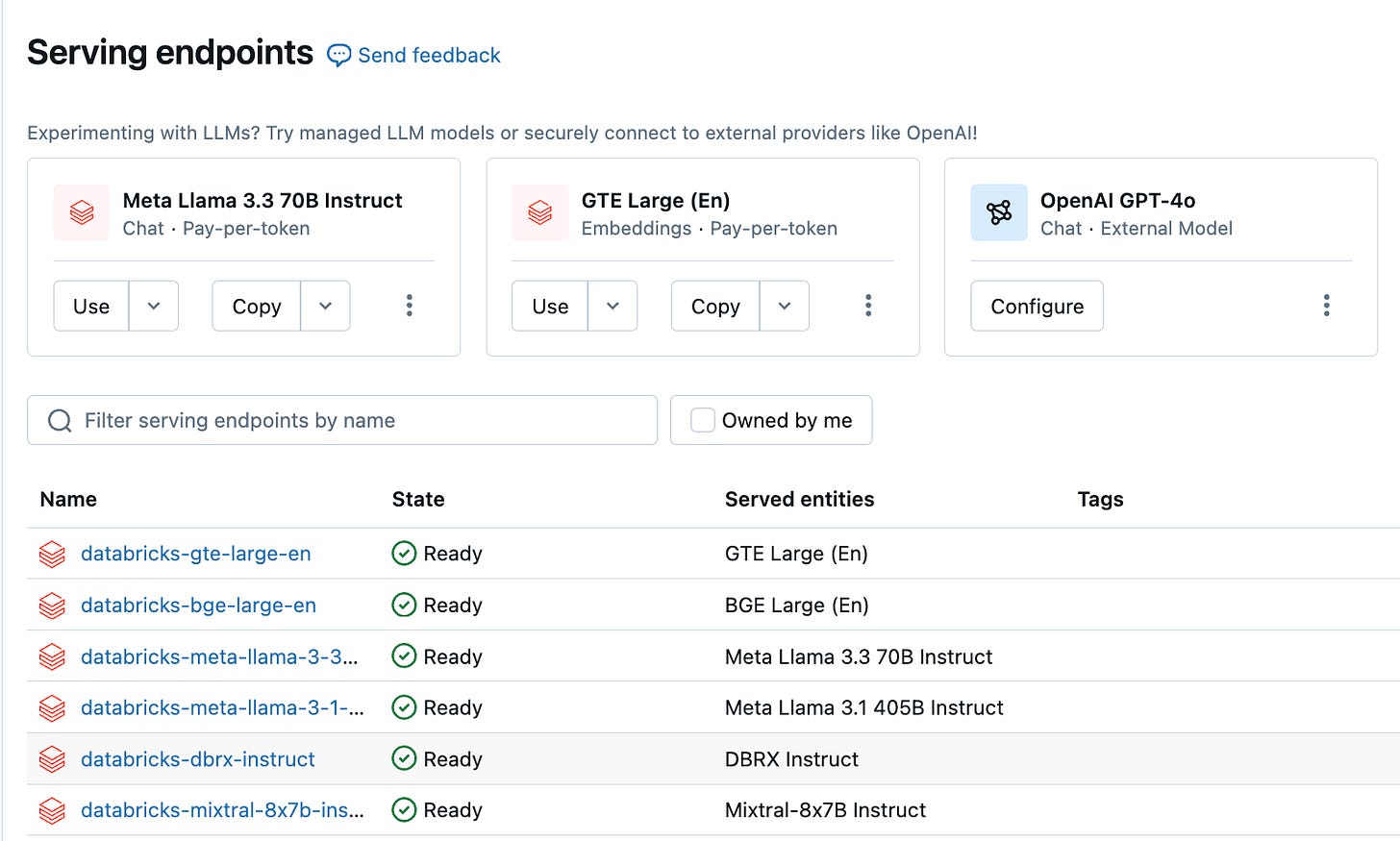
How one service per model becomes a mesh of pain, and why separating hosting from serving fixed it
Xiaomi streamed its entire RL training run live, then dropped the 309B checkpoint on Hugging Face with an MIT license. Here’s what it means for edge AI.
UML is dead. Freehand diagrams are chaos. C4 is winning, but adoption is slower than you think. A deep dive into the fragmented world of architecture diagramming and what it says about your team.
Passkeys eliminate password theft, but introduce permanent lockout, platform lock-in, and new phishing vectors. A critical look at the trade-offs.
When teams justify new services based on existing auth and client libraries instead of domain ownership, they’re building distributed monoliths. Here’s how to spot it and fix it.
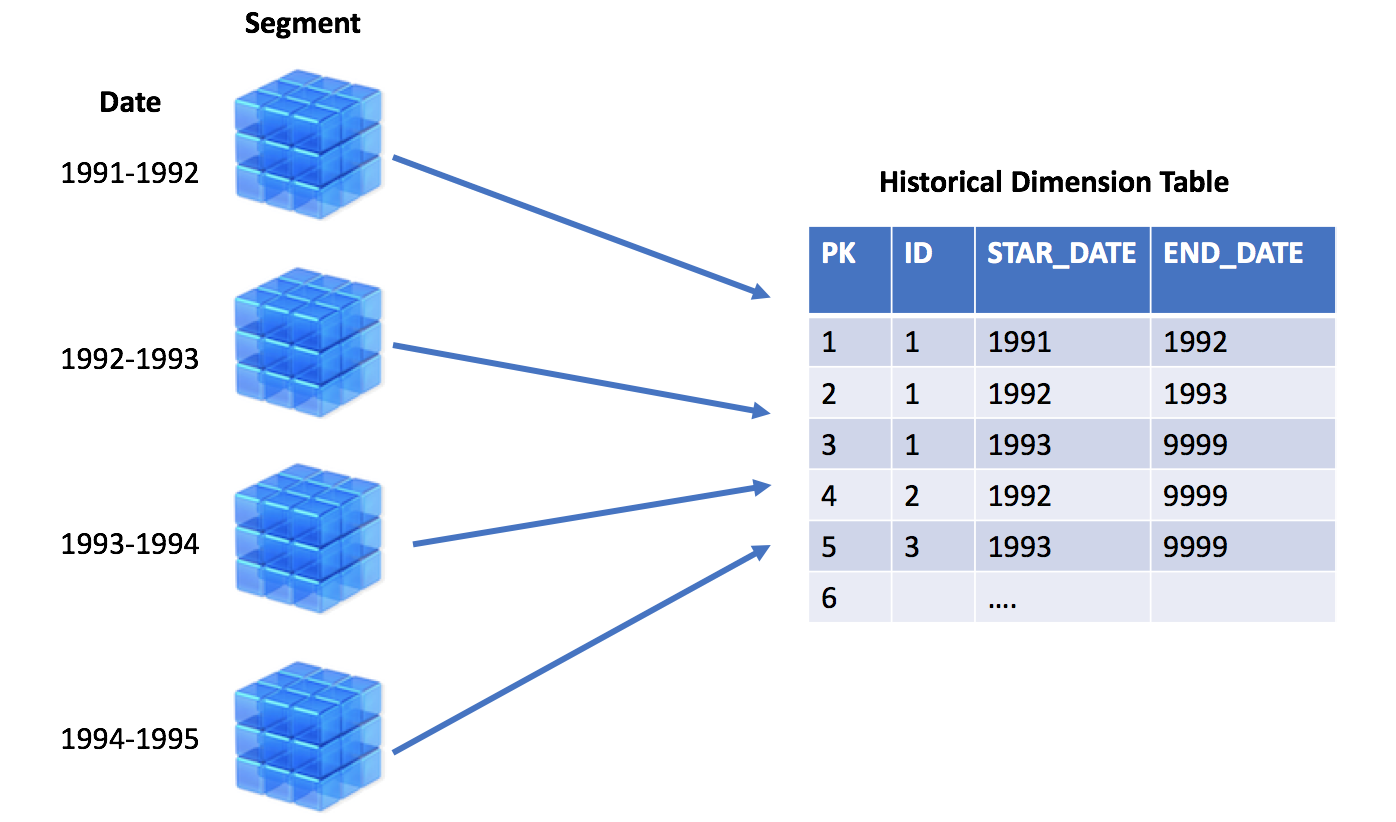
Should every API payload get the full SCD2 treatment? A pragmatic look at when dimension tracking is critical, when it’s dangerous, and how to build resilient ingestion without the overhead.
Fujitsu MONAKA’s 2nm 3D-stacked CPU challenges x86 dominance and redefines hardware-software co-design for sovereign AI infrastructure.
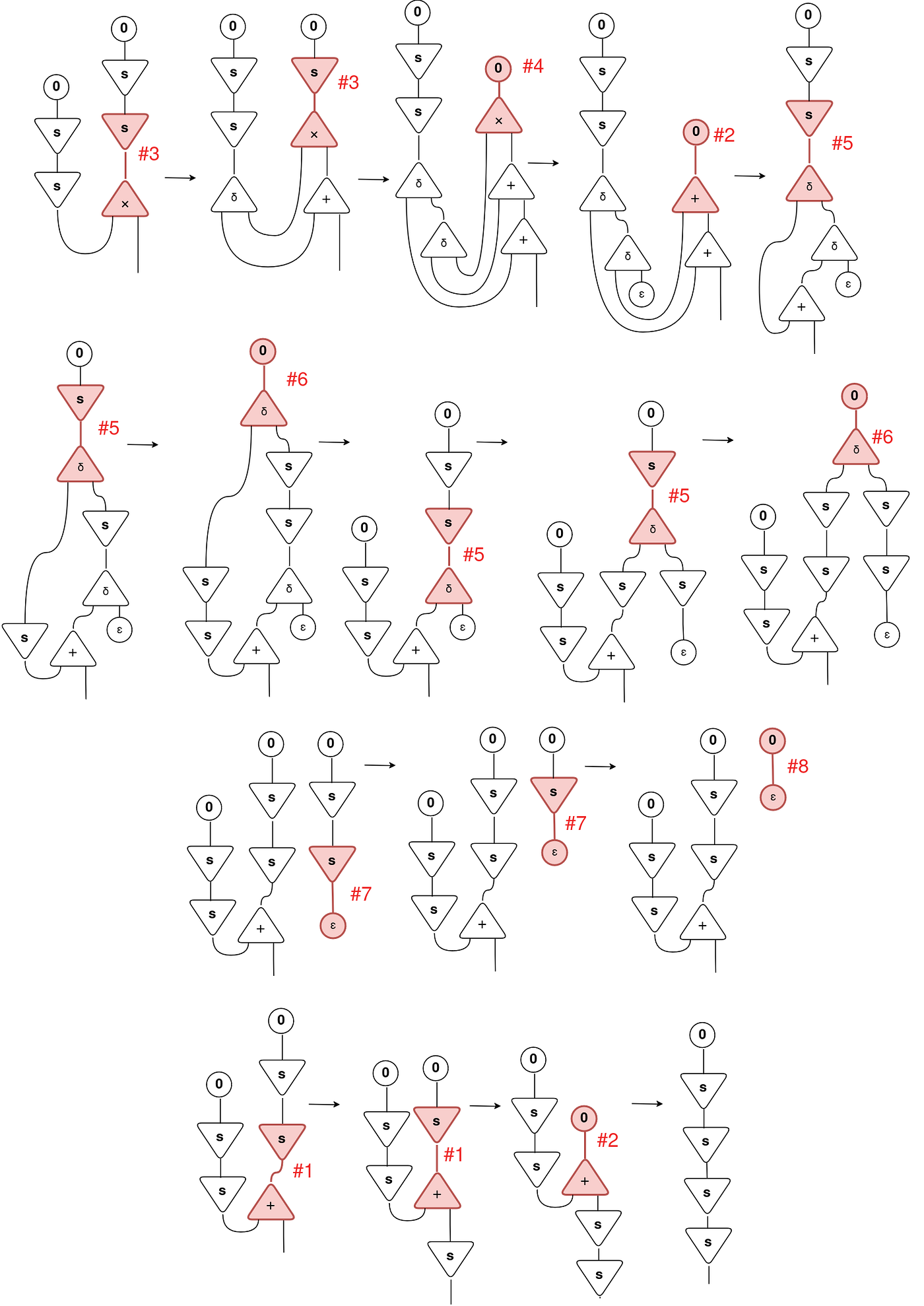
Bend brings Lean-style formal proofs to vibe-coded apps, running at C speed with GPU parallelism. Here’s why proof-checked AI output changes everything.
How GLM deployed a 100,000-accelerator inference service on Chinese hardware, tripled throughput in two weeks, and let an AI agent do most of the work.
A hacker collective pulled firmware from a Flock ALPR camera, revealing hard-coded API keys, eight-year-old Android vulnerabilities, and credentials to production infrastructure.
NVIDIA’s new CUDA Rust projects let you write GPU kernels natively in Rust. Here’s what it means for systems architecture, safety, and the future of high-performance computing.
When Redis goes down, your distributed circuit breaker faces a choice: fail open, fail closed, or something smarter. Here’s how to survive coordinator failure without cooking your dependency.