NVIDIA’s Nemotron-3.5-Bolt-E4B-4GB is a small language model that fits in 4GB and uses speculative decoding to bring real-time AI assistants to edge devices.
Are product managers now expected to write code? AI tools are blurring the line between PM and engineer, and sparking an identity crisis.
A coordinated wave of devastating cyberattacks hit PHP, GitLab, and AI tools within 48 hours. Here’s what Black October means for the future of web security.
Real-world lessons on merging microservices back into modular monoliths to cut complexity, slash costs, and stop the distributed systems bleeding.
Ukrainian drone strikes just set Russia’s AI ambitions back by years. Here’s how a $50,000 drone took out a $1.4 billion supercomputer, and what it means for the future of warfare.
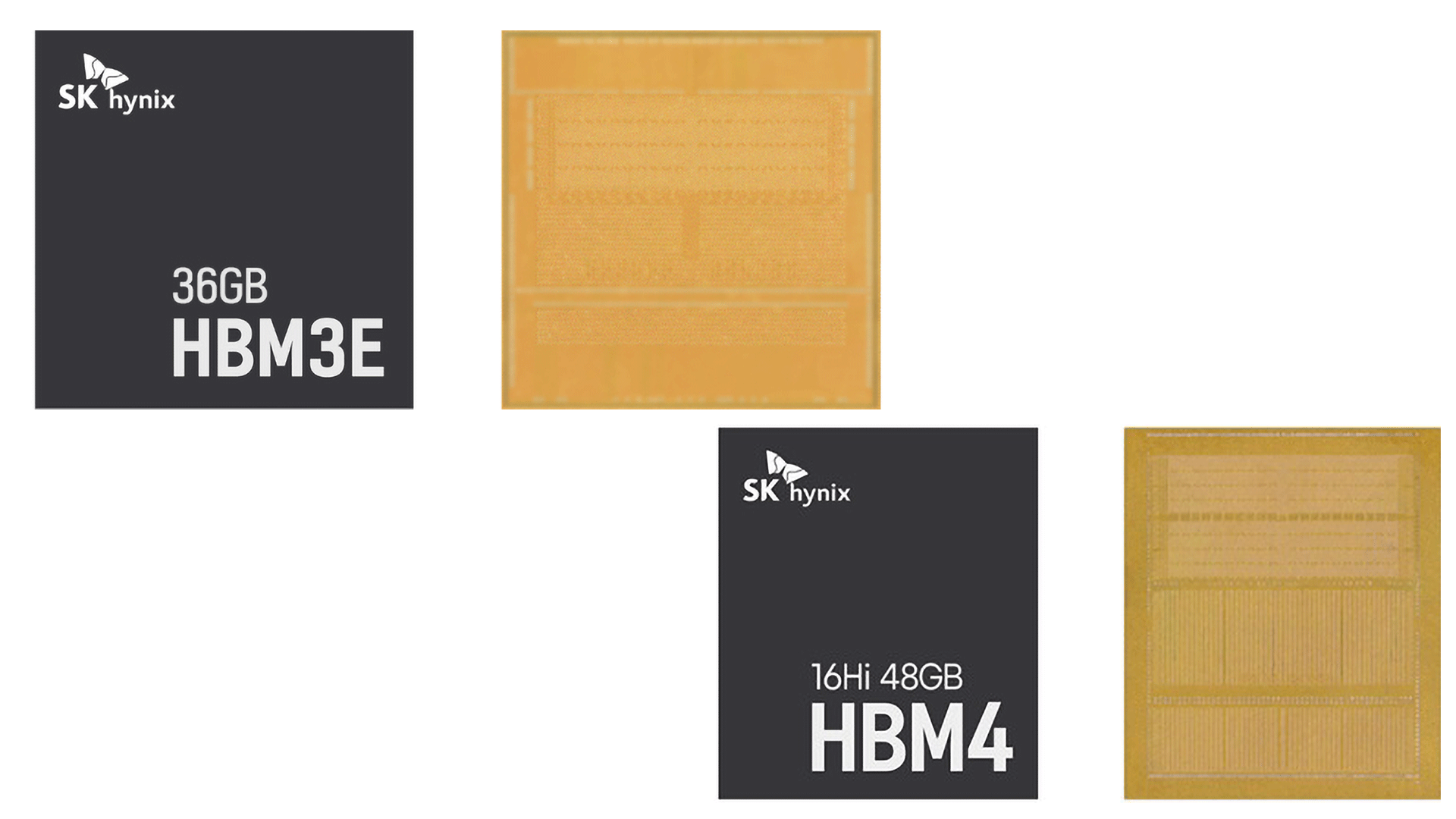
Samsung has pre-sold 100% of its 2027 HBM capacity with prices expected to surge 200%. Here’s what that means for AI infrastructure, consumer hardware, and your upgrade plans.
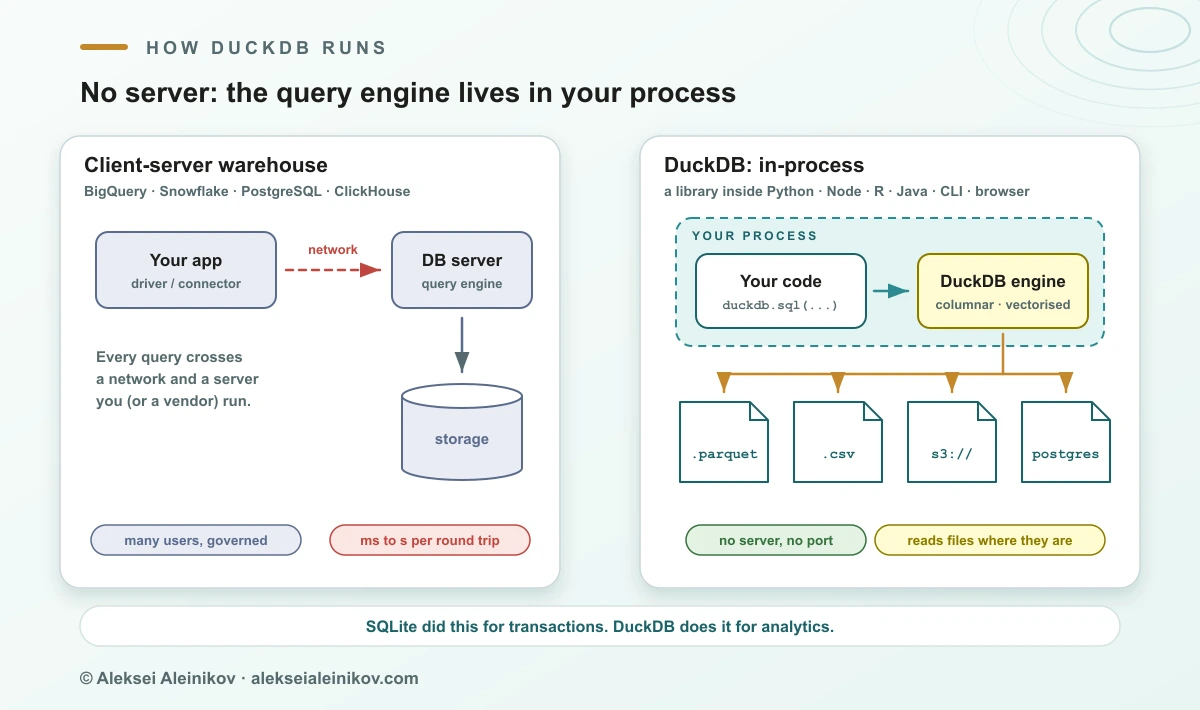
DuckDB 2.0 LTS ships Quack protocol, async I/O, and a VARIANT type. Here’s what the architectural trade-offs mean for your data stack.
PHP just patched two critical remote code execution flaws. But the real story is how a consensus-driven open source project is rebuilding its security org for the AI era.
eMudhra’s CA keys were cracked in milliseconds because they were single-byte integers. Here’s the technical post-mortem and why your backend is still exposed.
KRAFTON’s Raon-1 mini is a 30B MoE model trained from scratch that’s challenging AI giants on their own turf
DeepSeek open-sourced DeepInfer, the production inference engine behind V4.1-Flash. Here’s what’s actually in the release, what’s missing, and why it matters.
Ornith-1.5 shatters the static training paradigm by generating its own tasks, scaffolds, and solutions, raising both capability and control questions.