Showing page 6 of 19
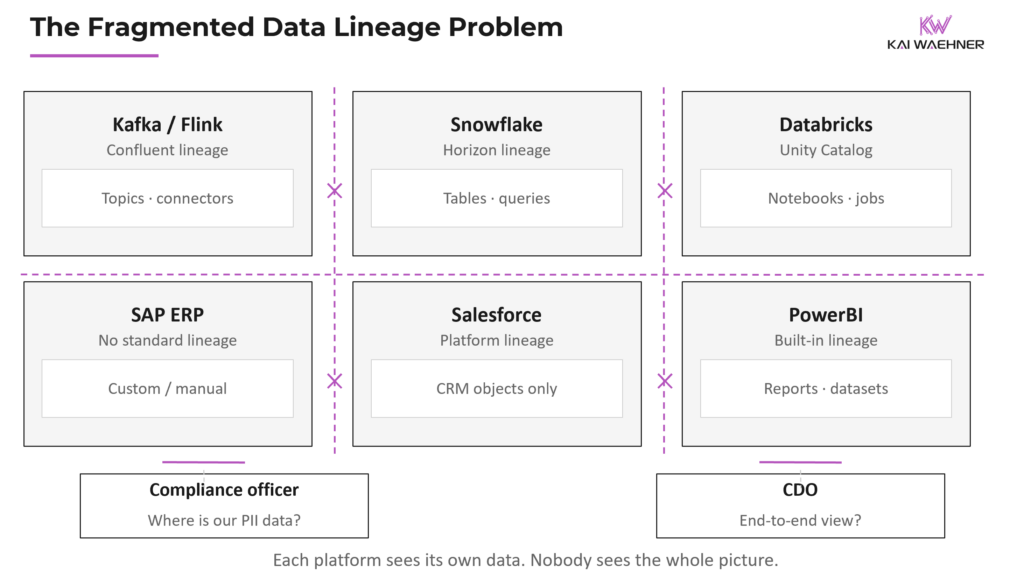
Integrating Airflow with OpenMetadata for data lineage is a cautionary tale about open-source tool maturity, Kafka deserialization quirks, and where observability projects still fail.
How LLM coding assistants create monolithic, unmaintainable data functions and the practices that prevent the impending explosion.
Moving from Excel to a database seems like a no-brainer. But most small firms underestimate what they’re signing up for.
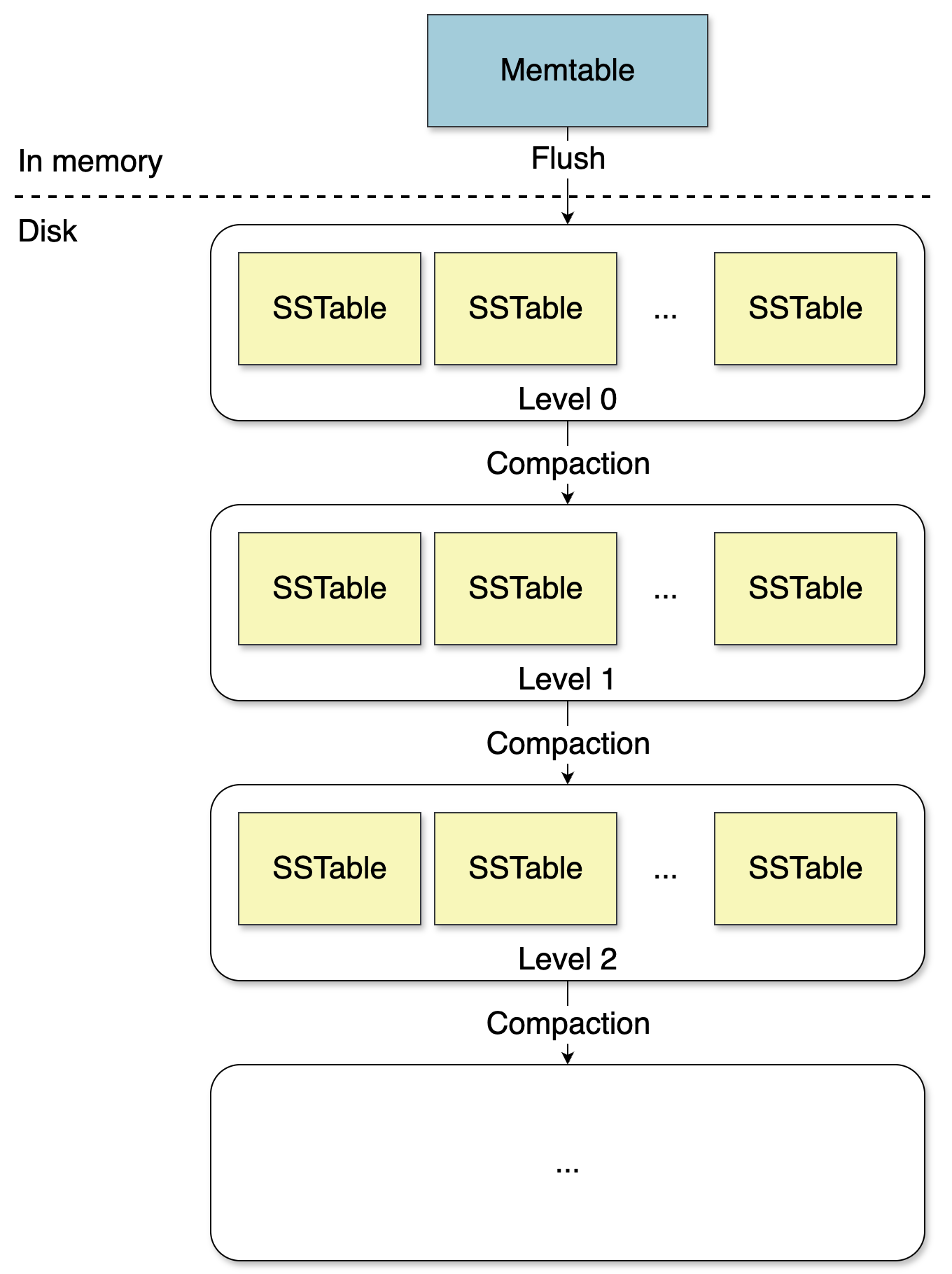
LSM Trees trade read performance for write speed. Here’s how they actually work, where they break, and when you should avoid them.
When a VP thinks Claude can untangle years of enterprise data rot in 30 days, the result isn’t digital transformation, it’s a masterclass in AI hype meeting engineering reality.
Why production fraud detection SQL collapses under its own weight, from warehouse-killing window functions to legacy sentinel values that mock your WHERE clauses.
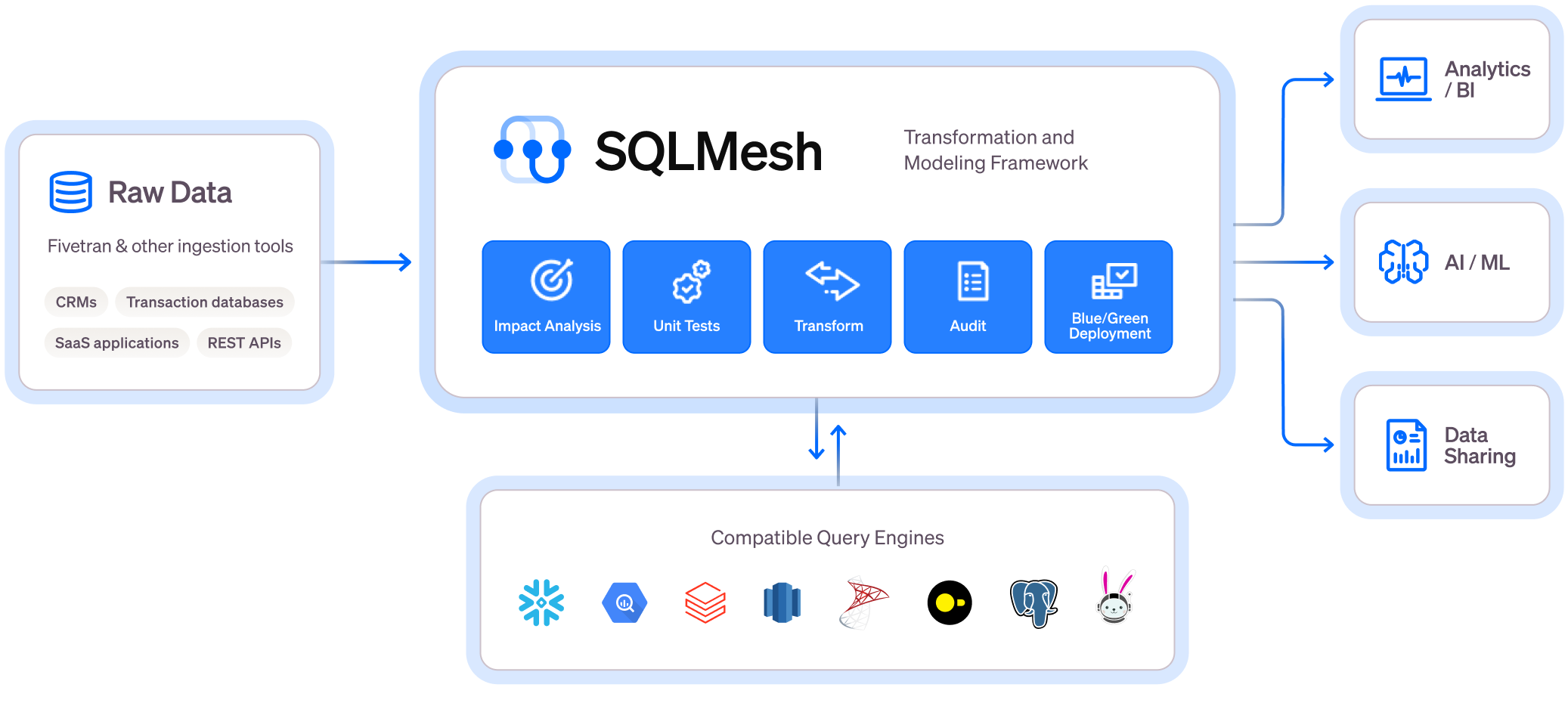
SQLMesh’s momentum faded in 2026 while dbt shipped Fusion, swallowed the LLM ecosystem, and tightened its grip. The one feature SQLMesh still dominates might not be enough.
How dbt Labs’ rapidly shifting terminology between ‘Core’, ‘Platform’, ‘Cloud’, and ‘Fusion’ creates real confusion for developers and erodes hard-won trust.
An open-source SDK liberates DuckLake’s streamlined SQL+Parquet architecture from its native client, inviting Polars and others to the lakehouse party.
Choosing between Fivetran’s automated pipelines and self-hosted Airflow isn’t just a budget question, it’s a strategic bet on your team’s future.
Forget time travel and ACID guarantees. The real story of Apache Iceberg at scale is the relentless, hidden toil of compaction, orphan files, and metadata sprawl.
When swapping Apache Airflow for a visual workflow tool seems like a shortcut, you’re likely trading orchestration rigor for a JSON parsing nightmare.