The question is simple, but the answer is a minefield. A data architect staring at a looming deadline and ballooning SaaS costs asks: “Do I spend five figures annually on managed connectors and sleep soundly, or do I take ownership, accept the operational debt, and build it myself?” This is the core tension of the Fivetran vs. Airflow debate, one that pits speed against sovereignty, magic against mechanics.
The argument for Fivetran is seductively simple. You connect Stripe, Salesforce, and your database, and expert-curated data magically appears in your warehouse. The argument for Airflow, the open-source Python orchestrator you must host, configure, and maintain, is about supreme control and infinite customizability. But beneath this “build vs. buy” veneer lies a more fundamental question: what kind of engineering organization are you actually building?
Let’s cut through the marketing.
The Allure of the Managed Stack: Fivetran + dbt
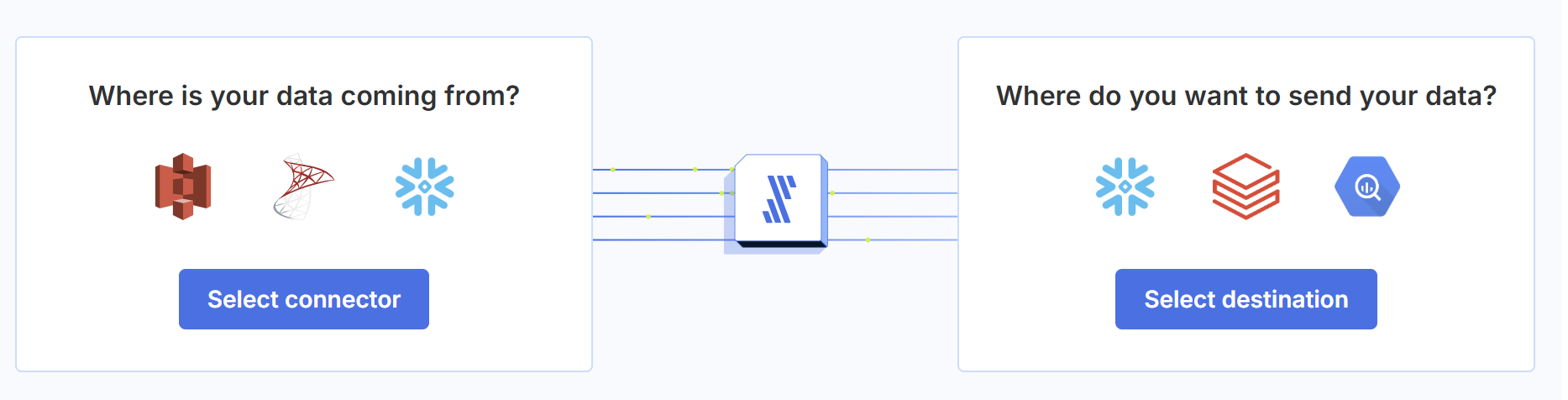
Fivetran’s promise is operational liberation: crate away the grunt work of API maintenance, pagination, rate limiting, and schema drift. The key is the Monthly Active Rows (MAR) pricing model. It’s simple until it’s not. Costs scale linearly with data volume, and as our research uncovered, developers report that Fivetran has recently made their pricing model more complex, moving to connector-level MAR and charging for deletes. This means unpredictability is built into the contract.
The tool is incredibly effective for what it does. It provides a massive library of pre-built connectors (500+), handles schema changes automatically, and requires minimal maintenance after initial setup. As users noted in discussions, syncing a new source can often be done in “10 mins or less.” For teams with standard SaaS sources (think Google Ads, Shopify, Salesforce) and a warehouse-centric strategy, Fivetran paired with dbt for transformations has become a de facto modern standard. Fivetran plus dbt is the modern standard for warehouse-native teams.
- Cost at Scale: You’re paying for activity, not infrastructure. A surge in data volume or a connector gone wild can lead directly to a budget emergency. Teams counter this by monitoring MAR “almost daily” and setting up alerts, but that’s operational overhead you’re paying to avoid.
- The Black Box Outage: One engineer’s poignant observation from our research: “Fivetran is nice, so long as it works. Random undocumented outages are a pain in my ass.” They cited an example where an “Amazon Selling Partner data feed just kinda died for a week or so out of nowhere for no reason.” You have no logs, no root cause, and no recourse but to wait.
- EL, Not ETL: Fivetran excels at Extraction and Loading. It is not a transformation engine. The “T” in your ELT stack is your responsibility, typically fulfilled by dbt. This is not a flaw, but a critical architectural distinction. You are paying for robust movement, not business logic.
- The Connector Ceiling: While Fivetran’s library is vast, the moment you need a niche, custom, or internal API source, you hit a wall. You’re back to building a custom pipeline anyway, negating some of the “buy” benefit and creating a hybrid stack you now have to manage.
The Sovereignty of Self-Hosted: Apache Airflow
If Fivetran is a curated, walled garden, Airflow is a plot of raw land with unlimited building permits. It’s a Python-based orchestration platform for authoring, scheduling, and monitoring workflows. You define your pipelines as Directed Acyclic Graphs (DAGs). A basic DAG that orchestrates a daily pipeline looks like this:
import pendulum
from airflow.sdk import dag, task

@dag(
    schedule="@daily",
    start_date=pendulum.datetime(2026, 1, 1, tz="UTC"),
    catchup=False,
)
def daily_etl():
    @task
    def extract():
        # Your custom code to pull from APIs, DBs, files
        print("Extracting data from sources...")

    @task
    def transform():
        # Your dbt run or custom transformation logic
        print("Transforming data...")

    @task
    def load():
        # Load to your warehouse
        print("Loading data into warehouse...")

    extract() >> transform() >> load()

daily_etl()
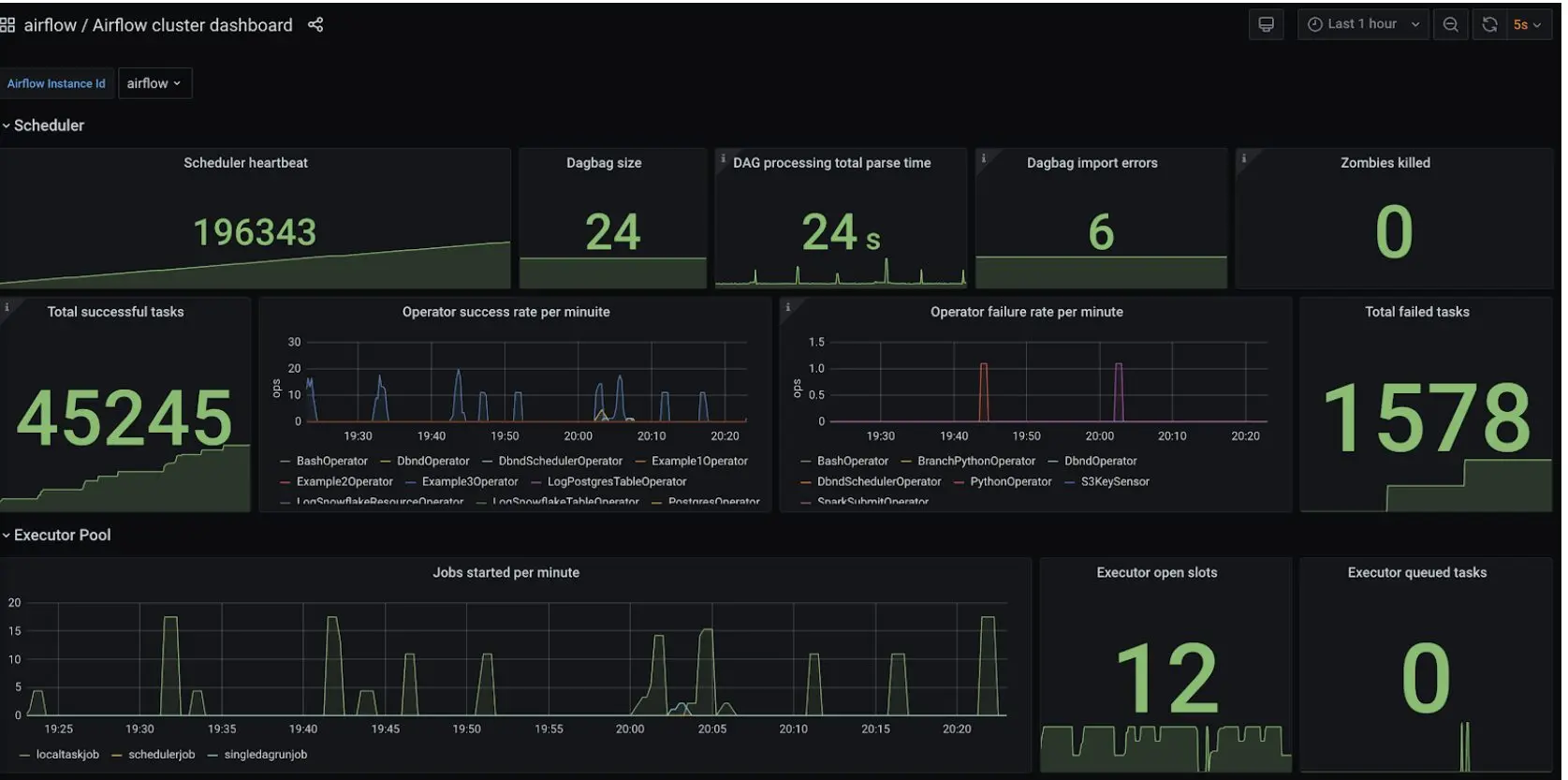
The power is in the # Your custom code parts. You can write a Python function to hit any API, parse any file format, or apply any business logic. You own the infrastructure, the logs, the retry logic, and the execution environment. This attracts a certain mindset: teams that “have a data engineering team with Python skills and want maximum flexibility.”
- The “Free” Lie: Airflow is open source and free, but running it in production is not. You pay in engineering time, for setup, maintenance, scaling, monitoring, and debugging. “Debugging Airflow at 2am is a personality-building experience”, as one source aptly put it. Managed services like Astronomer, Google Cloud Composer, or AWS MWAA alleviate this but add direct cloud costs ($200-500+/month for small environments).
- The Connector Tax: Every data source requires a custom integration. You are now in the business of building and maintaining API clients, handling pagination, managing quotas, and adapting to schema changes. This is the very work Fivetran sells you a solution for.
- Operational Burden: High availability, database backends, executor pools, authentication, secrets management, and upgrades, this is your team’s responsibility. It’s a significant distraction from core analytics or product work.
- Complexity for its Own Sake: The flexibility can lead to over-engineering. A simple daily sync doesn’t need a complex DAG with ten custom operators, but in Airflow, it’s tempting to build one.
The Evolving Middle Ground: The Rise of Airbyte
The landscape isn’t binary. Enter Airbyte, the open-source challenger that directly confronts Fivetran’s core value proposition. Airbyte provides a vast connector library (over 800 connectors, many community-built) and can be self-hosted or used as a managed cloud service starting at $10/month.
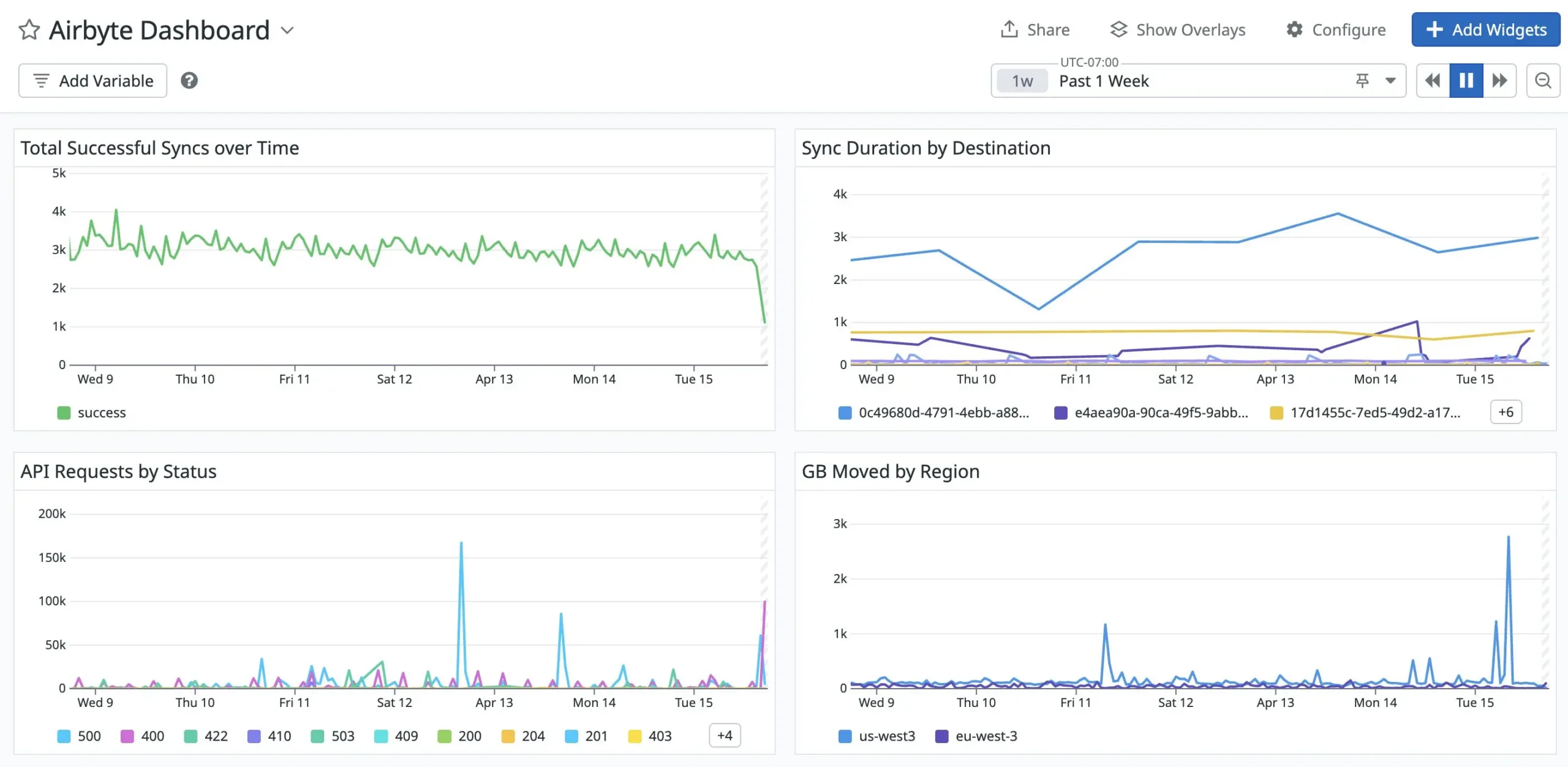
Airbyte represents a hybrid path: the managed-connector model of Fivetran with the “own-your-own-infrastructure” ethos of Airflow. The trade-off? You exchange Fivetran’s polish and reliability for cost control and extreme flexibility. As noted in our sources, “Community connector quality is inconsistent. Some connectors need babysitting.” You are trading vendor risk for community-support risk and operational overhead. It’s a compelling option for engineering-heavy teams who want to avoid Fivetran’s MAR model but lack the bandwidth to build every connector from scratch.
A Practical Decision Framework: It’s About Trajectory, Not Tools
This isn’t a one-time choice, it’s a strategic vector. Your decision should be based on your team’s composition, trajectory, and tolerance for certain types of risk.
Choose Fivetran (The “Buy” Path) if:
- Engineering Bandwidth is Your Scarce Resource: Your data team is small and needs to focus on modeling and analysis, not pipeline plumbing.
- Your Sources are Mainstream: You’re pulling from a dozen common SaaS tools (Salesforce, HubSpot, NetSuite) and standard databases.
- Predictable OpEx > Unpredictable Capex: You prefer a known, scaling SaaS cost over the hidden tax of developer time spent on pipeline maintenance.
- You Can’t Afford Surprise Outages (Even Your Own): While Fivetran can have issues, the responsibility for resolution lies with them. You are buying SLA-backed reliability.
Choose Airflow (The “Build” Path) if:
- Control and Customization are Non-Negotiable: You have unique, internal, or regulated data sources that no managed tool supports.
- You Have a Strong Platform Engineering Team: You can treat your data infrastructure as a product, investing in custom operators, robust CI/CD, and internal developer platforms.
- Your Cost Structure Demands It: At massive scale, the recurring OpEx of Fivetran can dwarf the fixed engineering cost of building and maintaining a custom orchestrator. This is a classic scaling inflection point.
- Your Workflows are Complex and Multi-Tool: You’re not just moving data, you’re triggering model training, sending webhooks, cleaning files, and launching Spark jobs. Airflow’s strength is orchestrating these disparate tasks.
The Hybrid, Pragmatic Path:
The most common production pattern isn’t an either/or. It’s a strategic both/and. Most production data platforms use both: a pipeline tool like Fivetran or Airbyte to move data, and an orchestration tool like Airflow or Dagster to coordinate when things run. A typical sophisticated stack might look like:
* Ingestion: Fivetran for core SaaS apps, Airbyte for niche sources, custom Python scripts in Airflow for legacy/internal APIs.
* Orchestration: Apache Airflow DAGs that first trigger the Fivetran syncs, wait for completion, then run dbt models, followed by data quality checks, and finally dispatch Slack alerts.
* Transformation: dbt core running in your warehouse, triggered by the Airflow scheduler.
This approach lets you buy where it makes sense (common, high-maintenance connectors) and build where you must (unique business logic, complex dependencies). It acknowledges that managing multiple technical tools without clear architectural strategy creates legacy problems, but with intentional design, it can be powerful.
The Bottom Line: It’s a Bet on Your Future Self
The Fivetran vs. Airflow debate is ultimately a bet on what will be harder in two years: managing a growing SaaS bill and navigating vendor limitations, or recruiting and retaining the engineering talent needed to build and maintain a mission-critical, custom data platform.
Fivetran offers a fast start and a clear exit ramp into complexity. You will hit a cost or customization ceiling, but you’ll hit it moving at full speed.
Airflow offers a slow, steep climb to a summit of total control. The view is unparalleled, but the oxygen is thin, and the path is littered with the wrecks of teams that underestimated the climb.
There is no universally correct answer, only the right answer for your team today, given where you need to be tomorrow. The worst outcome is not choosing a path, but drifting into a costly, unmaintainable hybrid by default. Be intentional. Buy the boring parts. Build the secret sauce. And always remember: the goal isn’t to run pipelines, it’s to deliver insights. Choose the path that gets your team looking at the data, not the plumbing, fastest. For some, that means writing a check. For others, it means rolling up sleeves and writing code. The smartest know when to do both.
Struggling with the cost and lock-in of a fully managed stack? You might be interested in our analysis on when evaluating whether to invest in managed services versus building custom data pipelines, which explores the economic and strategic drivers for going the DIY route.