Showing page 8 of 34
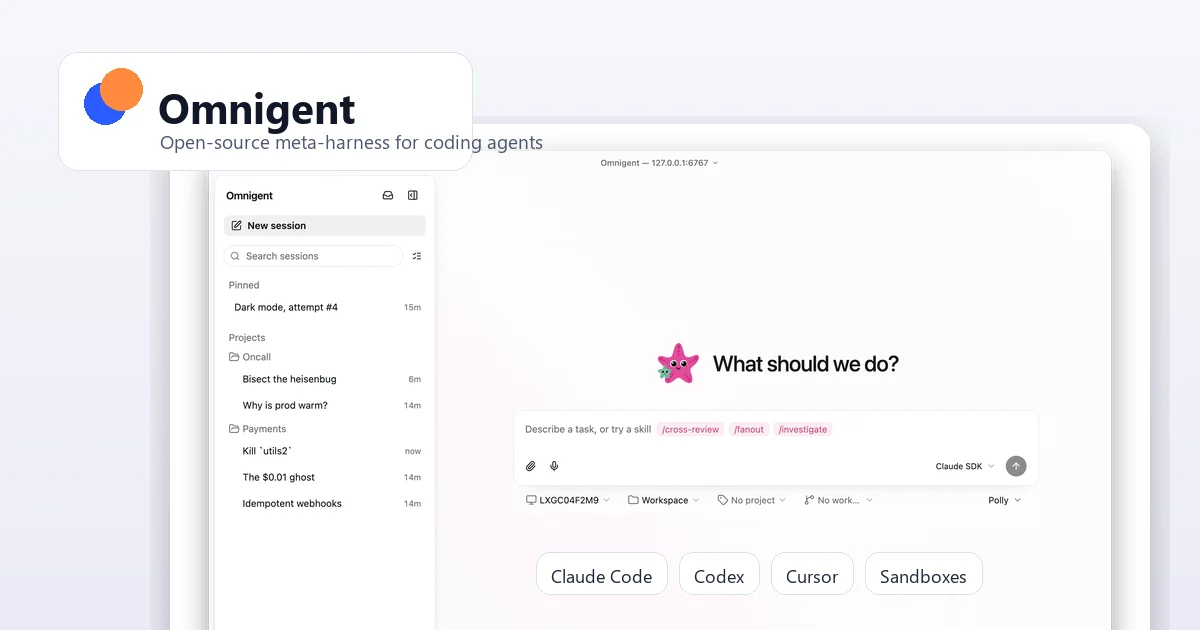
Review proposed code changes.
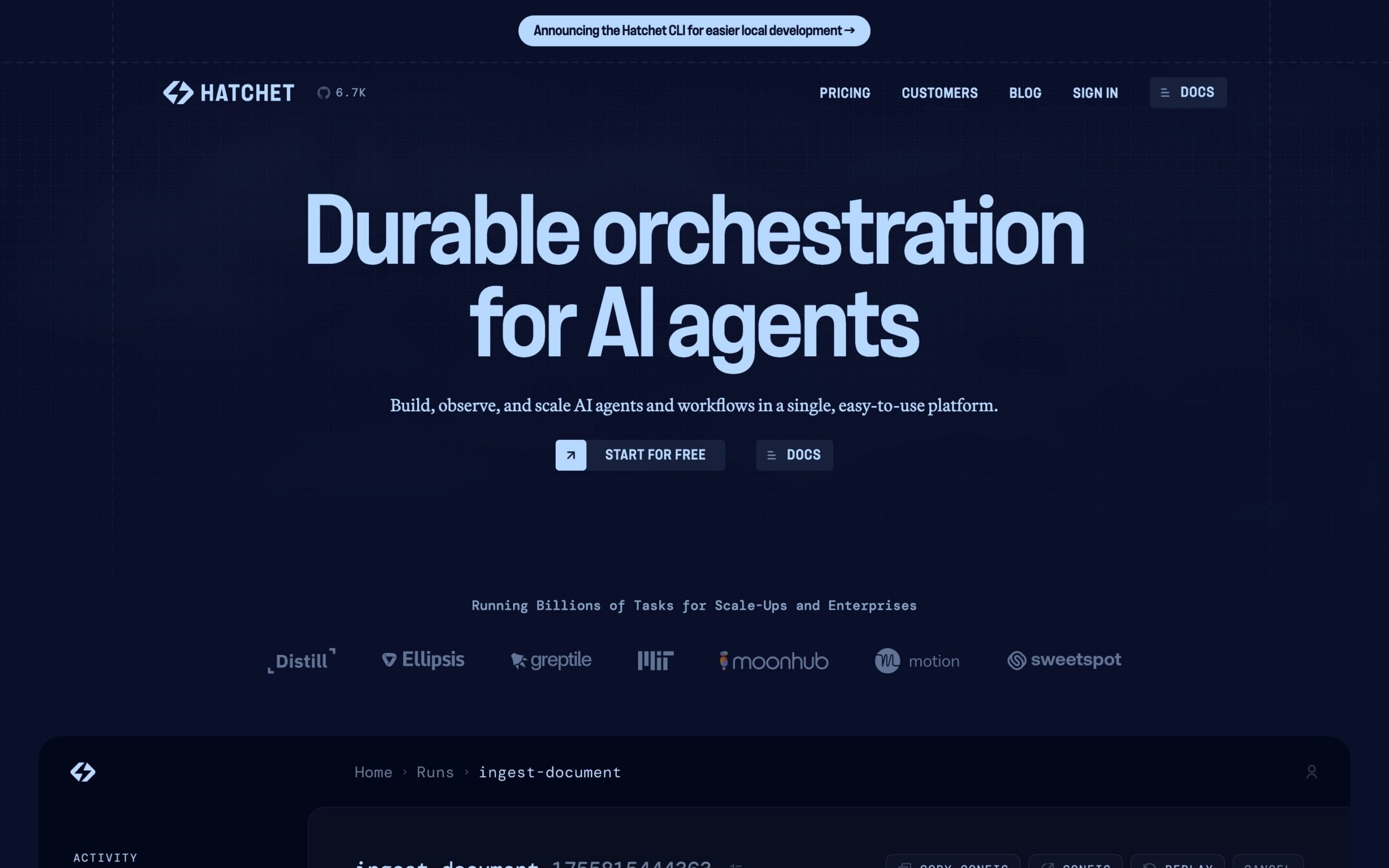
A no-BS comparison of Temporal, Hatchet, and Prefect for microservices task orchestration, with real-world insights on LLM pipelines, event-driven architecture, and the hidden costs of each choice.
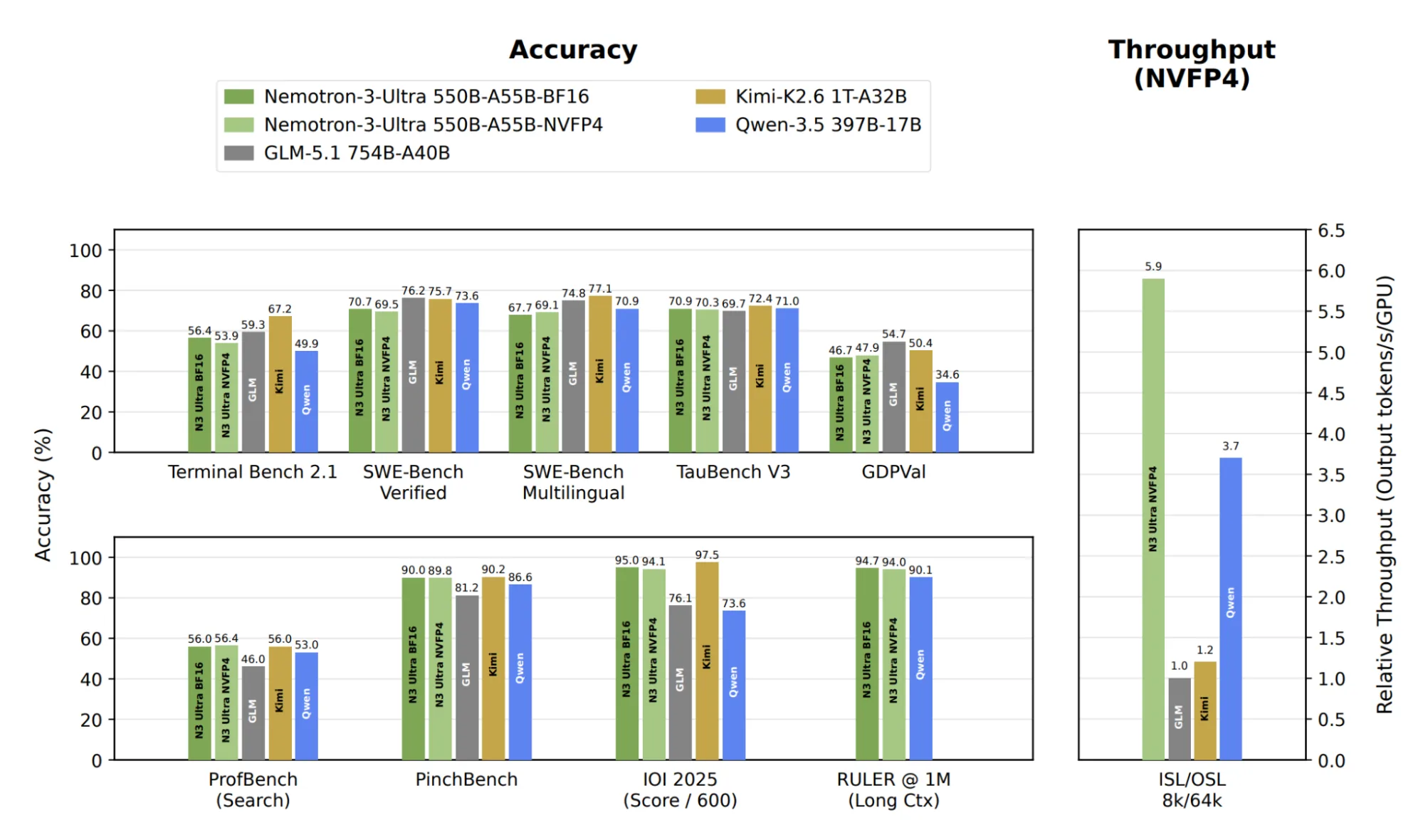
NVIDIA’s Qwen3.6-27B-NVFP4 squeezes a 27B model into 22GB while matching, and sometimes beating, FP8 accuracy. Here’s how the quantization magic works and why it matters for local LLM deployment.
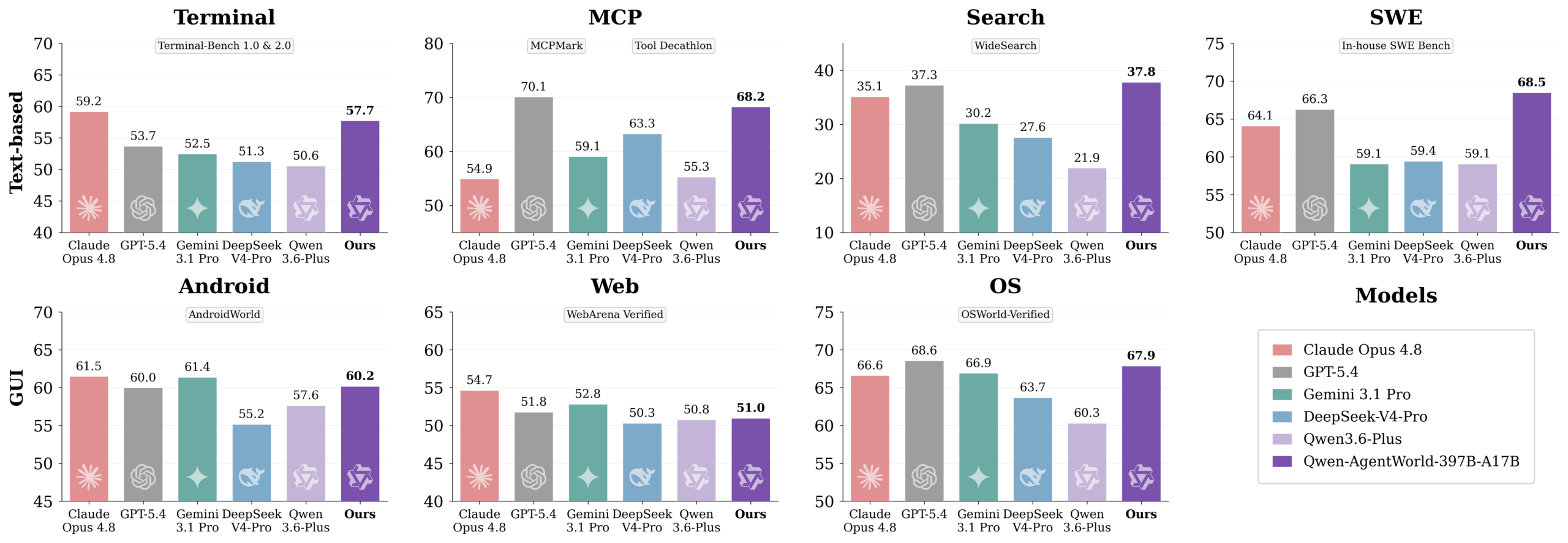
Alibaba’s new 35B MoE model (3B active) can simulate seven different agent environments, MCP, terminal, web, Android, and more, without running the real tools.
Analysis of whether event-driven architecture is being overused similarly to microservices a decade ago, discussing genuine justifications versus unnecessary complexity.
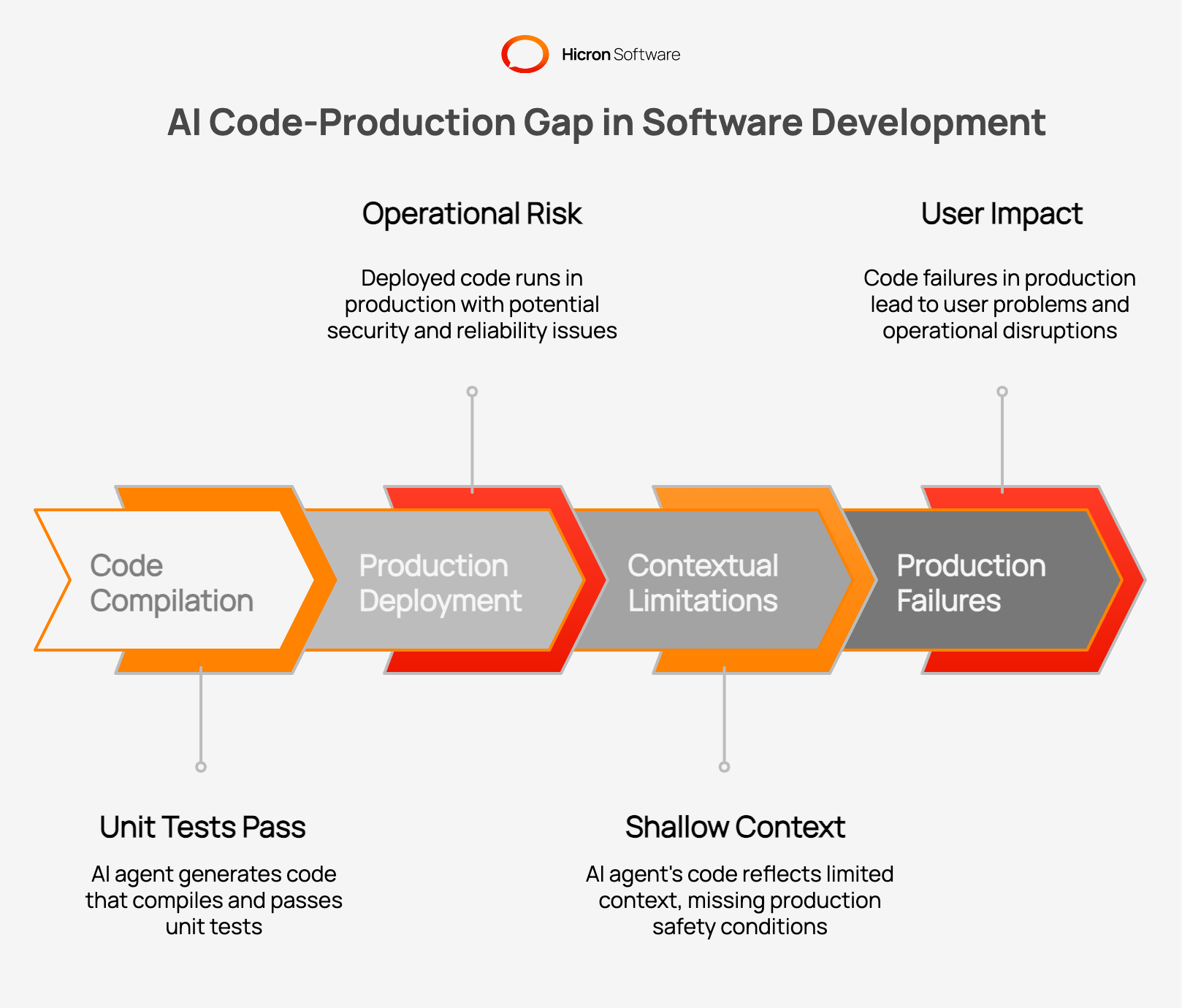
An NBER study reveals AI coding tools produce 7x more code but only 30% more releases. The bottleneck isn’t writing code, it’s everything that happens after.
The new HTTP QUERY method (RFC 10008) finally bridges the gap between GET and POST for complex queries. But does the web need another verb, or is this a solution in search of a problem?
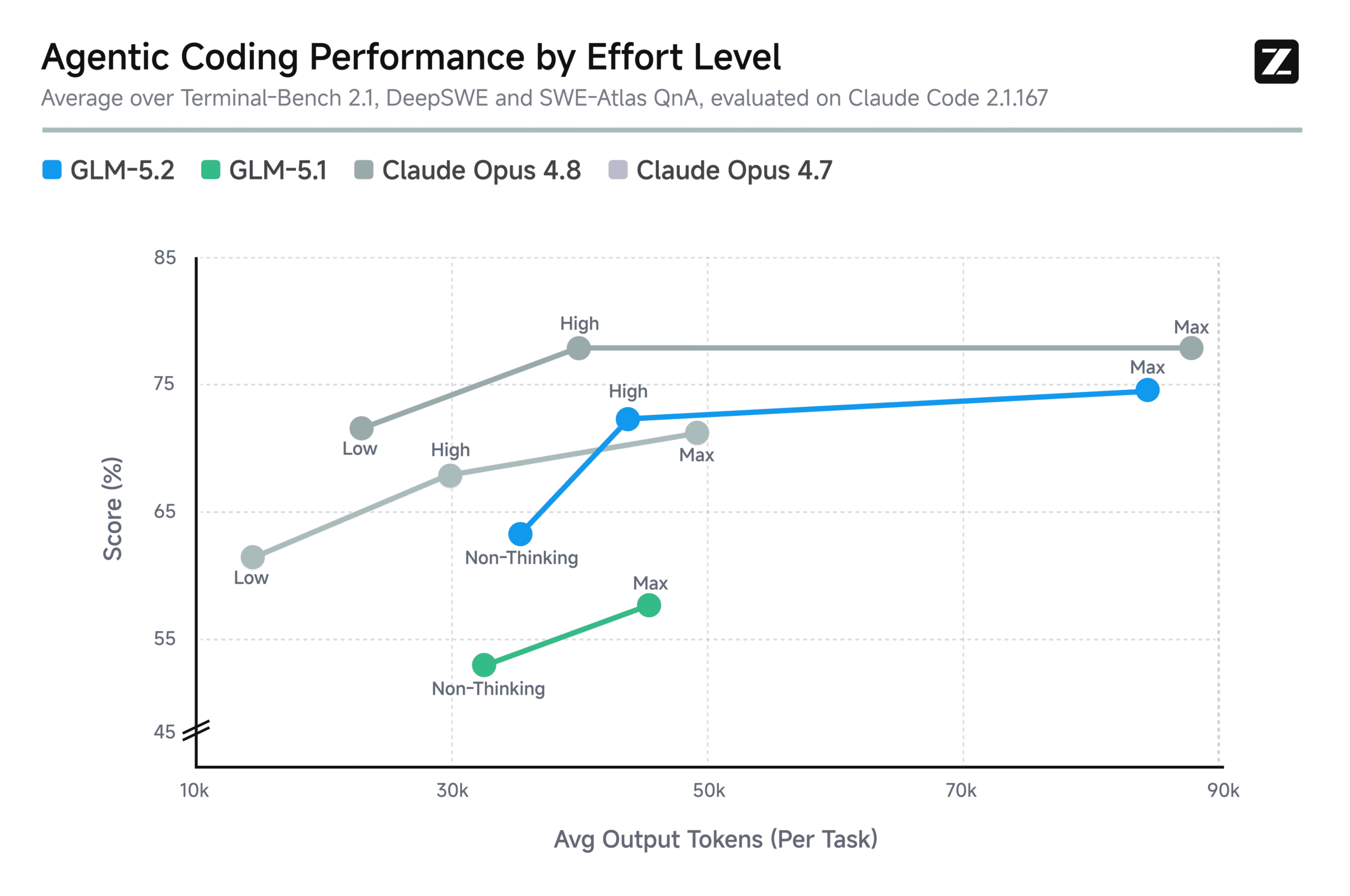
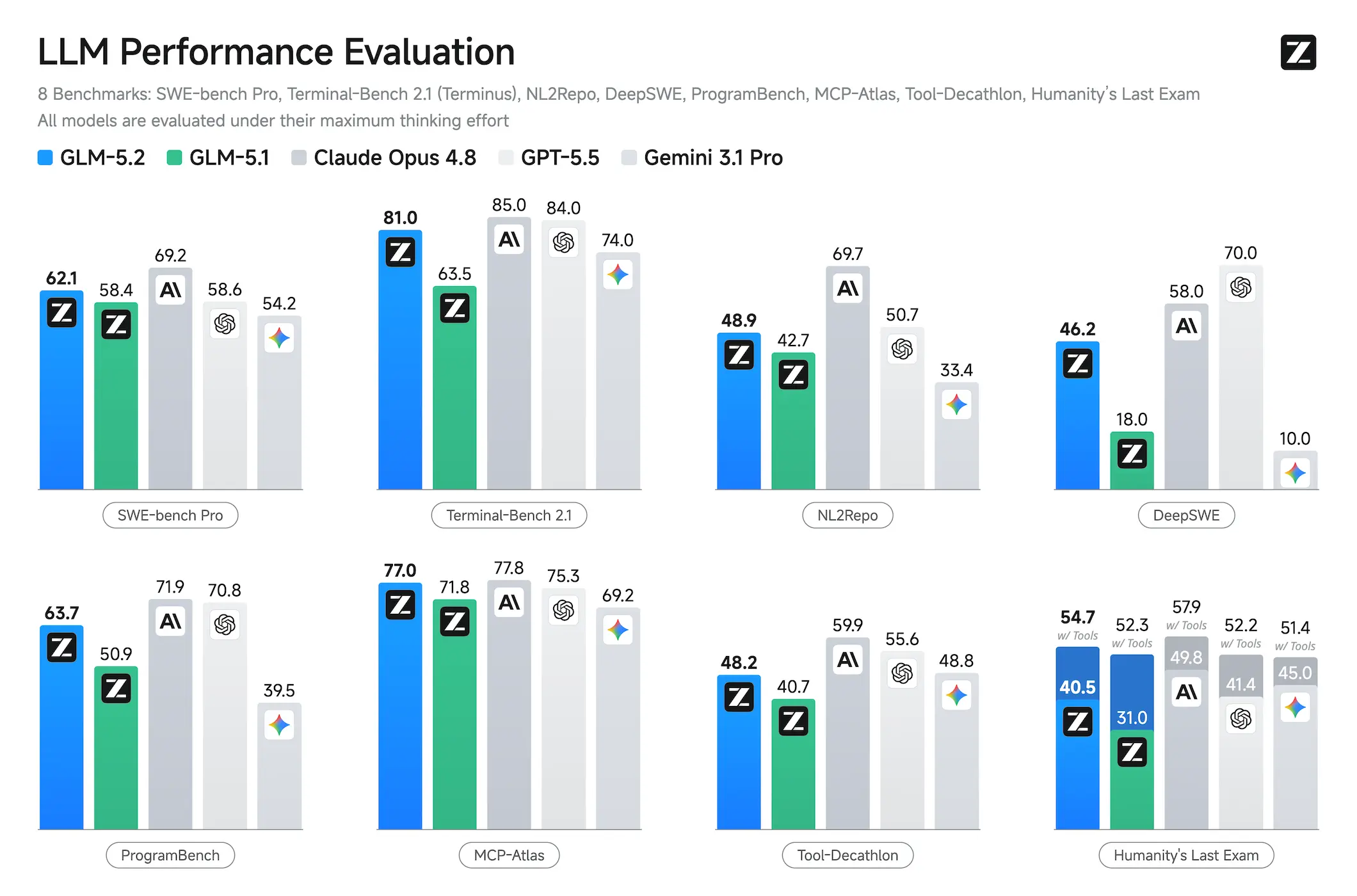
GLM-5.2 is the third-best model overall, but its MIT license means the real magic, distillation into small, local models, hasn’t even started yet.
Z.AI’s GLM-5.2 is the first open-weight model to cross 80% on Terminal-Bench, beating Gemini and threatening the closed-source business model. Here’s how 753B parameters and an MIT license are reshaping the AI landscape.
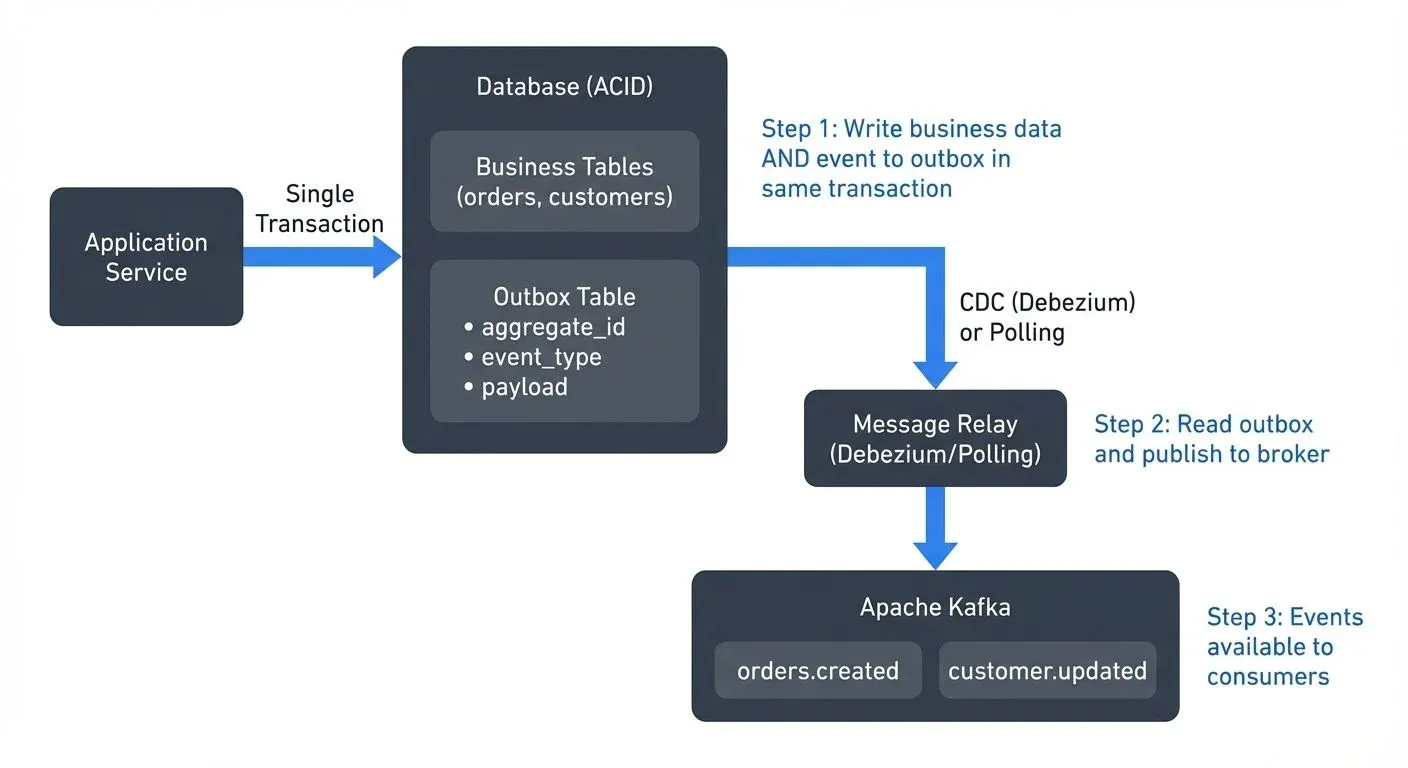
At-least-once delivery guarantees duplicates. Here’s how to handle them without losing your mind, or your data.
One day after the US shut down Anthropic’s Fable 5, ZAI dropped GLM-5.2 under MIT license. This isn’t a coincidence, it’s a calculated geopolitical strategy that exposes the fragility of closed AI models.
An emergency export control forced Anthropic to disable Fable 5 and Mythos 5 globally over a jailbreak that found minor code bugs. This is your warning about centralized AI APIs.