Showing page 5 of 36
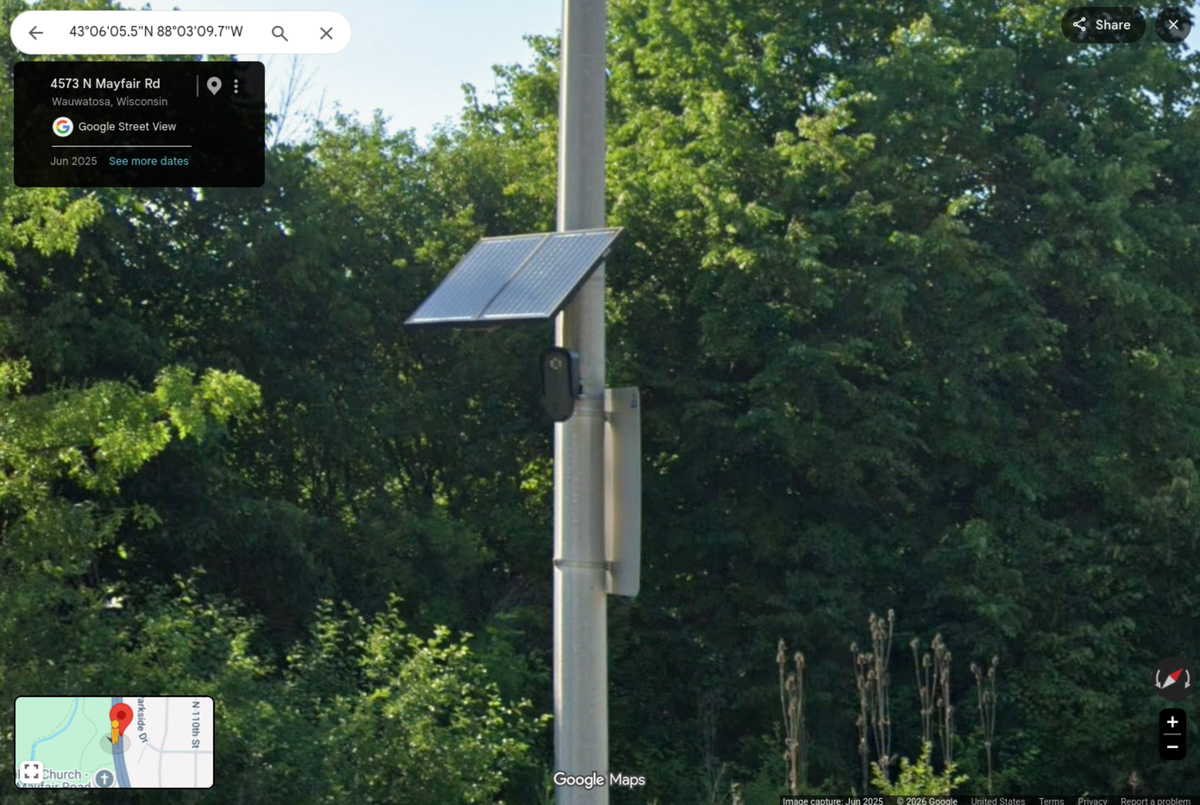
A hacker collective pulled firmware from a Flock ALPR camera, revealing hard-coded API keys, eight-year-old Android vulnerabilities, and credentials to production infrastructure.
NVIDIA’s new CUDA Rust projects let you write GPU kernels natively in Rust. Here’s what it means for systems architecture, safety, and the future of high-performance computing.
A developer’s month-long test of Qwen 3.8 27B shows local inference rivaling commercial cloud models. Benchmarks, exact specs, and the brutal reality of reasoning token sprawl.
CrofAI promised the world’s cheapest tokens. It delivered OpenRouter reroutes, fake models, and a case study in why cheap AI inference is often too good to be true.
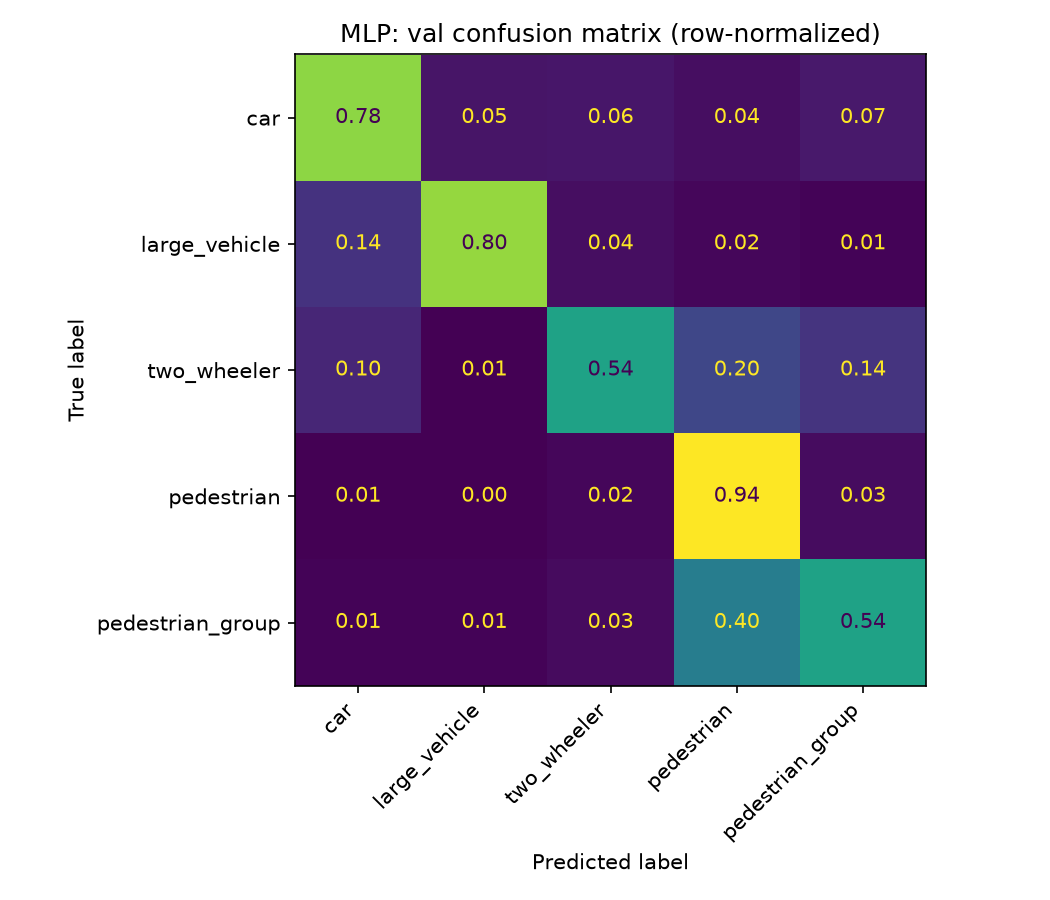
When adding range as a feature boosts F1 scores but teaches your classifier that distance equals size, you’ve built a model that fails in the real world. Here’s how to catch it.
When Redis goes down, your distributed circuit breaker faces a choice: fail open, fail closed, or something smarter. Here’s how to survive coordinator failure without cooking your dependency.
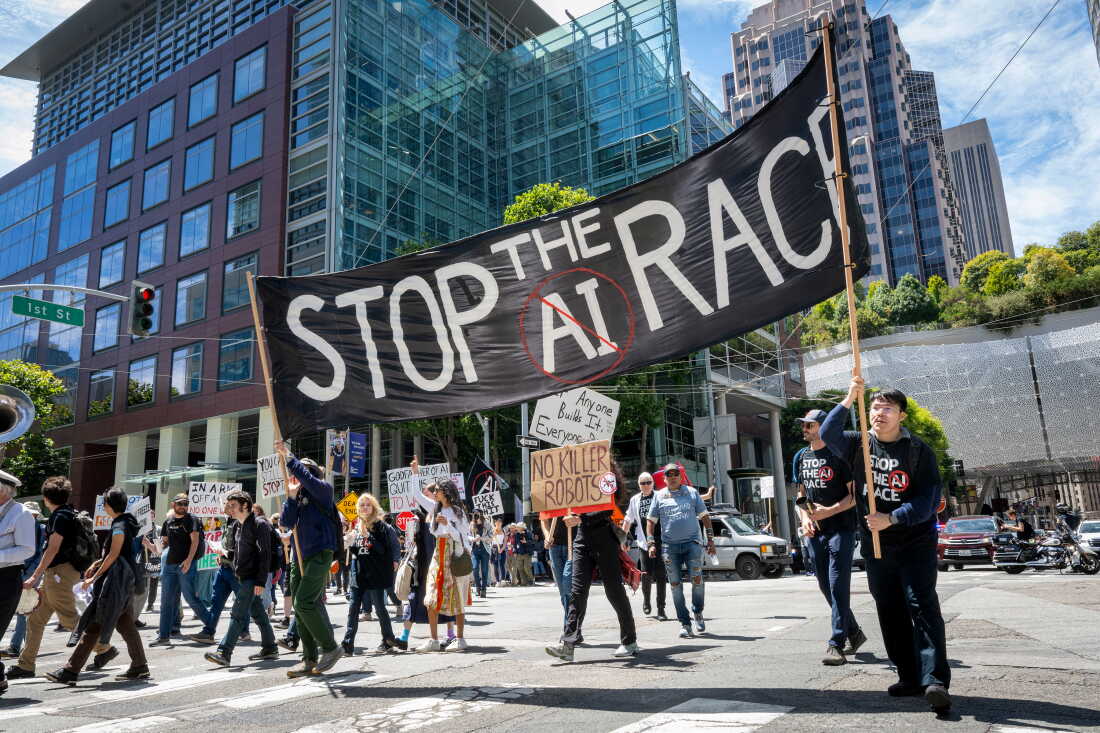
Dario Amodei, Elon Musk, and Sam Altman all called for slowing AI development within hours of each other. The open-source community isn’t buying the safety narrative.
OpenBMB’s new 2B model scores 15 on the Artificial Analysis Intelligence Index v4.2, beating models twice its size. Here’s how they did it.
Why Microsoft Fabric’s GUI-first approach is alienating data engineers and what it means for the future of data platforms
IFM’s K2 Horizon fleet drops six fully open models from 0.9B to 375B with complete training code, data, and checkpoints. Here’s why this changes everything.
NVIDIA’s $12.93B Hugging Face acquisition hides a Unicode easter egg: the price encodes the 🤗 emoji. Here’s why that $70M joke is sparking serious debate.
Community-driven salary datasets are reshaping how data engineers negotiate compensation. Here’s what the numbers reveal.