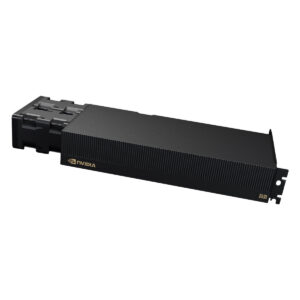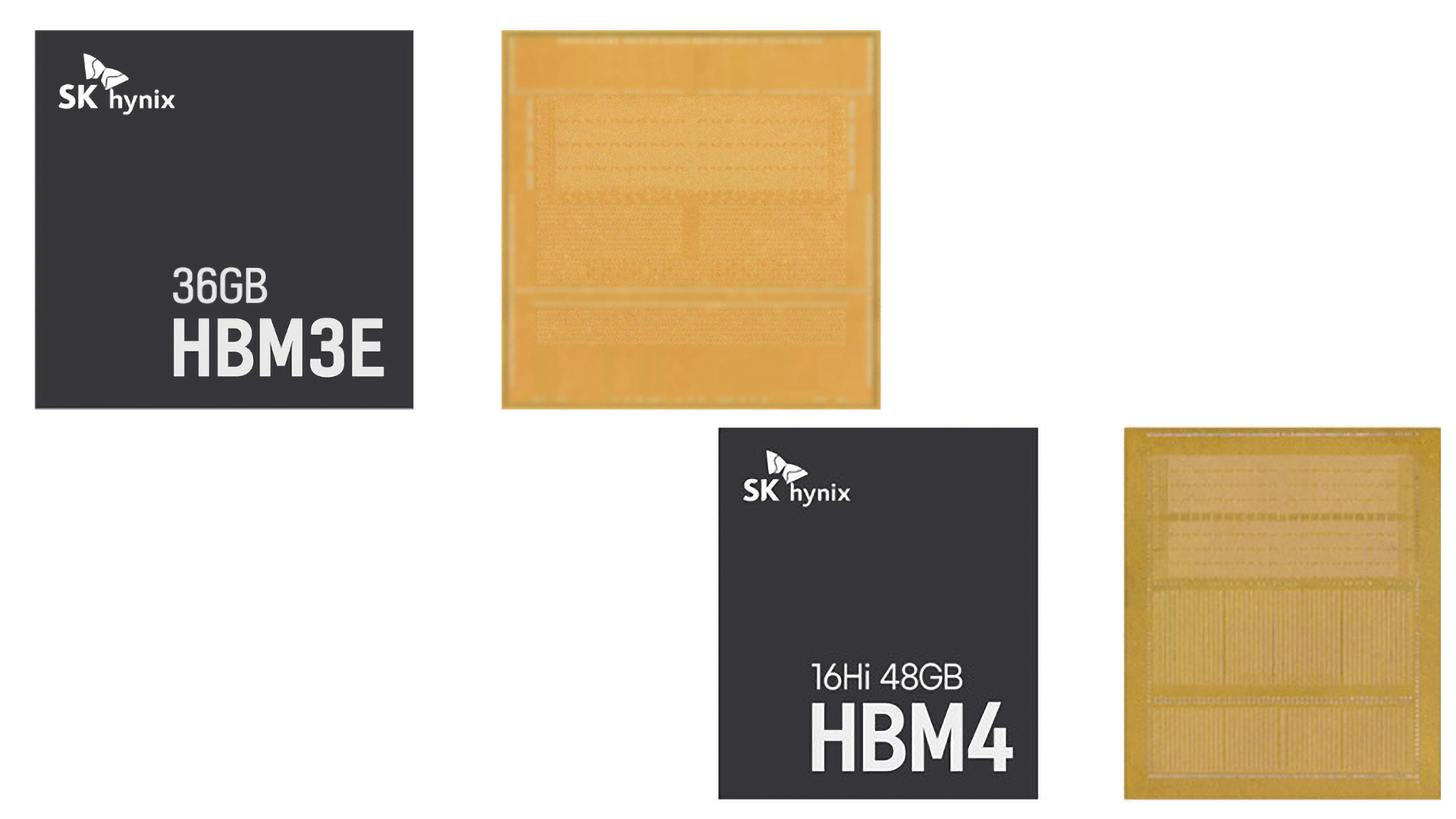
Samsung has reportedly signed a five-year memory supply deal that locks up 100% of its 2027 high-bandwidth memory (HBM) production and roughly 70% of its general-purpose DRAM output. According to Yonhap News, the contracts are going to “global big tech companies” with “fierce competition” for whatever scraps remain.
The market’s response? HBM prices are projected to jump between 150% and 200% next year. DRAM prices are looking at double-digit increases starting Q1 2027. And if you were hoping to build a new gaming rig or upgrade your workstation anytime soon, I’ve got some bad news for you.
This isn’t a temporary blip. Samsung’s own memory chief, Jaejune Kim, told analysts the shortage will deepen through 2027 and stay tight into 2028. “We believe it will be unlikely to see any significant increase in incremental supply through 2028”, Kim said. That’s not hedging, that’s Samsung’s executive leadership telling Wall Street the crunch hasn’t even peaked.
The Numbers Behind the Panic
Let’s put this in perspective with what’s actually happening in the market:
| Metric | Value |
|---|---|
| Samsung 2027 HBM capacity already contracted | 100% |
| Samsung 2027 DRAM capacity reserved | ~70% |
| Projected HBM price increase (2027) | 150, 200% |
| DRAM contract price increase (2026 YTD) | ~420% |
| PC DRAM contracts Q1 2026 (QoQ) | >100% increase (largest on record) |
| Samsung Q3 2026 operating profit (YoY) | +783% |
| Micron gross margin (Q4 FY2026) | 81% |
| Micron consumer memory margin | 90% |
A 32GB DDR5 kit that cost about $100 in June 2025 was selling for $300 to $500 by March 2026. That’s not inflation, that’s a repricing of an entire market category.
Micron isn’t doing much better on the profit front. In its Q4 fiscal 2026, the company reported revenue of $54.23 billion with an 81% GAAP gross margin, up from 40% a year earlier. Their cloud memory unit alone pulled in $16.283 billion. The mobile and client revenue hit $13.114 billion with a staggering 90% non-GAAP gross margin. Meanwhile, their core data center storage business runs at a 90% gross margin on $18 billion in goods sold.
Even Elon Musk has weighed in, criticizing what he calls “extortionate” pricing from Samsung and SK hynix while praising Micron for being more “reasonable.” The irony? Micron is still pulling in 90% margins on consumer RAM.
Why HBM Is the Real Bottleneck, And Why It Won’t Go Away
The constraint isn’t the GPU. It’s not even the advanced DRAM wafers feeding into HBM stacks. The bottleneck is the packaging process that turns finished DRAM dies into HBM modules, a specialized operation involving through-silicon vias (TSVs), precision wafer thinning, microbump bonding, and multi-layer stacking. Only three companies in the world can do this at volume: Micron, SK Hynix, and Samsung.
Here’s what makes it so hard: individual DRAM dies are just 30 micrometers thick (roughly 0.001 inches), bonded together in layers up to 12 deep. The copper pillars connecting them are 2 to 5 micrometers in diameter, drilled 30 to 60 micrometers deep through silicon. The coefficient of thermal expansion mismatch between copper (17 ppm/°C) and silicon (2.8 ppm/°C) creates mechanical stress requiring “keep-out zones” around each via, limiting how tightly they can pack.
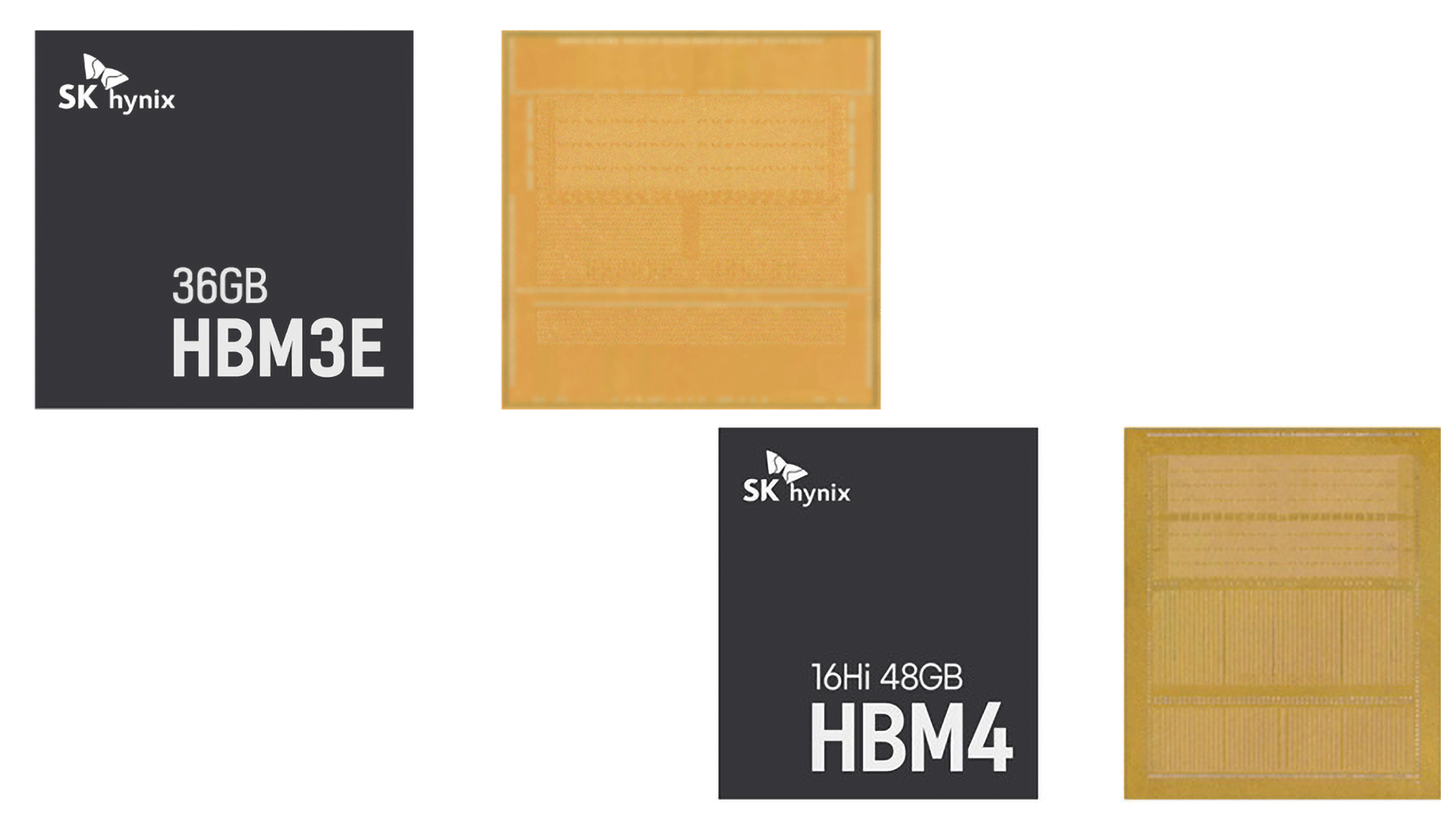
As Semiconductor Engineering reported, “only a limited number of firms have leading-edge assembly and packaging capabilities” and “the AI boom is causing HBM and advanced assembly shortages, straining the supply chain.”
This isn’t a problem money can quickly solve. Micron’s new AATT2 plant in Taichung, Taiwan took more than a year to bring online, and its entire 2027 output was already sold before a single wafer entered the line. The company is targeting roughly 100,000 wafers per month of HBM production capacity by end of 2026, investing $50.2 billion across four Taiwan sites, matching what it had invested over its preceding 25 years, compressed into just four.
The Consumer Collateral Damage
Here’s where it gets personal. Every gigabyte of HBM that goes into an Nvidia or AMD AI accelerator is a gigabyte that doesn’t go into your laptop, phone, or gaming rig. Samsung’s Device Solutions (DS) division is now competing with Samsung’s mobile experience (MX) division for the same DRAM supply. Those Galaxy S27 phones? Prepare for price hikes.
Memory now eats up roughly 35% of a laptop’s manufacturing cost, up from a historical 16-20%. Dell, HP, Lenovo, Acer, and Asus have all confirmed price increases in the 15-30% range this year. Smartphone production is tracking to fall about 2% year over year in 2026 because makers literally can’t source enough memory at planned volumes. TrendForce projects an 11.3% drop in global PC shipments tied to the same shortage.
One consumer reportedly sent a two-stick, $16,000 DDR5 memory kit to a repair shop because replacement costs make repairing individual modules financially viable. That’s the kind of market we’re in now.
Long-Term Agreements: The New Rules of Engagement
The real game-changer is how memory makers are restructuring their business models. Samsung has signed long-term agreements (LTAs) with the world’s top five data-center buyers and is closing in on deals with five more. These contracts reportedly commit 60-70% of Samsung’s capacity to hyperscale customers like AWS, Microsoft, and Google.
The terms are brutal for everyone else. Upfront payments. Price floors that cap quarterly price cuts at 5%, with no ceiling at all on increases. Nearly half of global DRAM capacity could be locked under these agreements by 2027.
Micron has signed 26 strategic customer agreements covering more than 35% of its expected revenue through 2030, including $32 billion in customer financial commitments, mostly cash deposits. Samsung has contracts covering 75-80% of its planned 2027 memory output.
The result? Consumer device makers are negotiating for leftover capacity against Amazon and Microsoft, and they’re losing that fight.
AI’s Memory Problem Is Everyone’s Problem
The demand side isn’t slowing down. SemiAnalysis expects 43, 50 gigawatts of new datacenter capacity in 2027, backed by nearly a trillion dollars of binding leases signed this year. Power availability is increasingly solved, the shortage is moving to the chips themselves, especially HBM memory, where supply grows only about 27% next year and no new fabs arrive until 2028.
Analyst estimates project 2027 industry blended HBM average selling prices rising approximately 79% year over year, with HBM4E potentially exceeding $30 per gigabyte. Nvidia has reportedly de-specified some GPU configurations to accommodate constrained supply.
For enterprise buyers, the practical takeaway is grim: Micron’s 2026 HBM capacity sold out earlier, and 2027 capacity sold out before the plant producing it turned its first wafer. Companies seeking to lock in access to AI accelerators like Nvidia’s Vera Rubin or AMD’s next-generation Instinct parts are negotiating against a supply base that’s structurally scarce.
What Can You Actually Do?
If you’re an individual or a small team, the defense is mostly about extending hardware life and rethinking assumptions:
For individuals: That upgrade you were planning? Delay it. Invest in proper cooling, power conditioning, and maintenance for existing hardware. One GPU buyer’s comment captures the mood: “I’ve already resigned to the possibility of having the same devices I currently have for the next 10 years.” Take care of what you have, because replacements aren’t coming cheap.
For enterprises: Negotiate LTAs now, before capacity disappears entirely. If you’re deploying AI workloads, factor in that memory costs could double year-over-year. The math on your inference costs just changed materially. This connects directly to the broader AI-driven hardware price surge that’s redefining technology budgets.
For developers: Smaller models, quantization, and aggressive caching aren’t just optimization tactics anymore, they’re survival strategies. DeepSeek’s own inference numbers show a cluster of about 2,400 GPUs serving 155 trillion tokens a day with 96% of input from cache. The era of memory-hungry monster models running on commodity hardware is over, at least for now.
The Silver Lining Nobody’s Talking About
Scarcity drives innovation. We’re already seeing it:
- DeepSeek’s efficient inference stack with 14,000 output tokens per second per decode GPU
- vLLM matching DeepSeek’s decode throughput to within 6% using published techniques
- OpenAI’s 12-hour prompt caching, DeepSeek keeping agent context for three days
- Growing interest in High Bandwidth Flash, running models directly from storage faster than current RAM
Some observers note this could accelerate smaller independent fabrication companies entering the DRAM market, since the sheer profitability of the sector is drawing investment into new production. The $100 price for 5MB of hard disk storage in the 1980s eventually became cheap, commoditized storage. That cycle still exists, it’s just going to take longer than anyone hoped.
There’s also a chance the whole thing is a bubble. As one market observer put it: “RAM that doesn’t exist has been sold for money that doesn’t exist.” Financial schemes that keep GPUs artificially expensive could hurt teams’ ability to train models. Banks are already trying to offload AI data center debt they just underwrote. When the music stops, the pricing dynamics could reverse just as violently.
But for now, the trajectory is clear. Samsung’s memory chief says the peak is 2028. The contracts lock in prices floors through 2027. The AI buildout is a multi-year capital commitment with terms that favor the suppliers.
If you’re in the market for AI infrastructure, GPUs, or even a new laptop, the time to act was yesterday. The time to plan is now. Every new GPU cluster Nvidia or AMD ships is, in a very direct sense, a line item on your next hardware purchase, and your next GPU upgrade just became a luxury good.
Welcome to the memory-constrained era of AI. It’s going to be expensive.