The consumer DDR5 market in Europe is doing something unexpected: prices are collapsing. Over the last 25 days, tracked data from Germany, the Netherlands, Spain, and Belgium shows some kits dropping by as much as 28%. Meanwhile, those same kits can cost 10-20% more depending on which EU country you’re buying from.
If you’ve been waiting to build or upgrade a system for local LLM inference, the window of opportunity just cracked wide open.
The Numbers Don’t Lie: A 28% Drop in 25 Days
Let’s get the headline data out of the way. These aren’t theoretical projections, this is real-time price tracking from PriceSquirrel, a new EU-focused hardware tracker monitoring 15 retailers across four countries. The data spans May 25 to June 23, 2026, and the drops are substantial:
| Kit | Starting Price | Current Price | Drop |
|---|---|---|---|
| G.Skill DDR5 Aegis 2×16GB 6000 | €579 | €419 | -28% |
| Kingston FURY Beast RGB 2×16GB 6000 | €499 | €369 | -26% |
| G.Skill Trident Z Neo 2×32GB 6000 | €1,200 | €927 | -23% |
| Corsair Vengeance 2×16GB 6000 | , | , | -13% (across multiple kits) |
That G.Skill Aegis kit is now €160 cheaper than it was a month ago. The Kingston FURY Beast lost €130. These are the kind of drops that turn “I’ll wait another quarter” into “I should order today.”
But here’s the rub: not all EU countries are benefiting equally.
The Cross-Border Price Gap Is Bonkers
The same DDR5 kit, same brand, same model, same EAN barcode, can cost wildly different amounts depending on where you point your browser.
The most glaring example: the G.Skill Trident Z5 RGB 2×32GB DDR5-6400. At German retailer NBB (Notebooksbilliger), it’s listed at €799. Over in the Netherlands, at Megekko and Azerty, that identical kit is priced at €1,180. That’s a 48% premium for buying from the wrong country.
Across the board, Germany is consistently 10-20% cheaper than the Netherlands and Belgium on the same kits. Spain falls somewhere in the middle.
This isn’t a shipping cost issue, these are digital goods flowing through the same EU supply chain. It’s a segmentation problem baked into how memory distributors allocate inventory and how retailers price against local competition. The German market is simply more aggressive on pricing, likely because it has more competition and higher volume.
For the savvy buyer, this creates a clear arbitrage opportunity: order from a German retailer, pay EU-friendly cross-border shipping (often €5-15), and save €100-300 on a 64GB kit. Just make sure the retailer ships to your country.
Why This Matters for Local LLM Builders
Here’s where this gets interesting for the AI community. Running large language models locally is a memory-first problem. The GPU does the heavy lifting on computation, but system RAM determines which models you can even load.
The chart below breaks down what you realistically need:
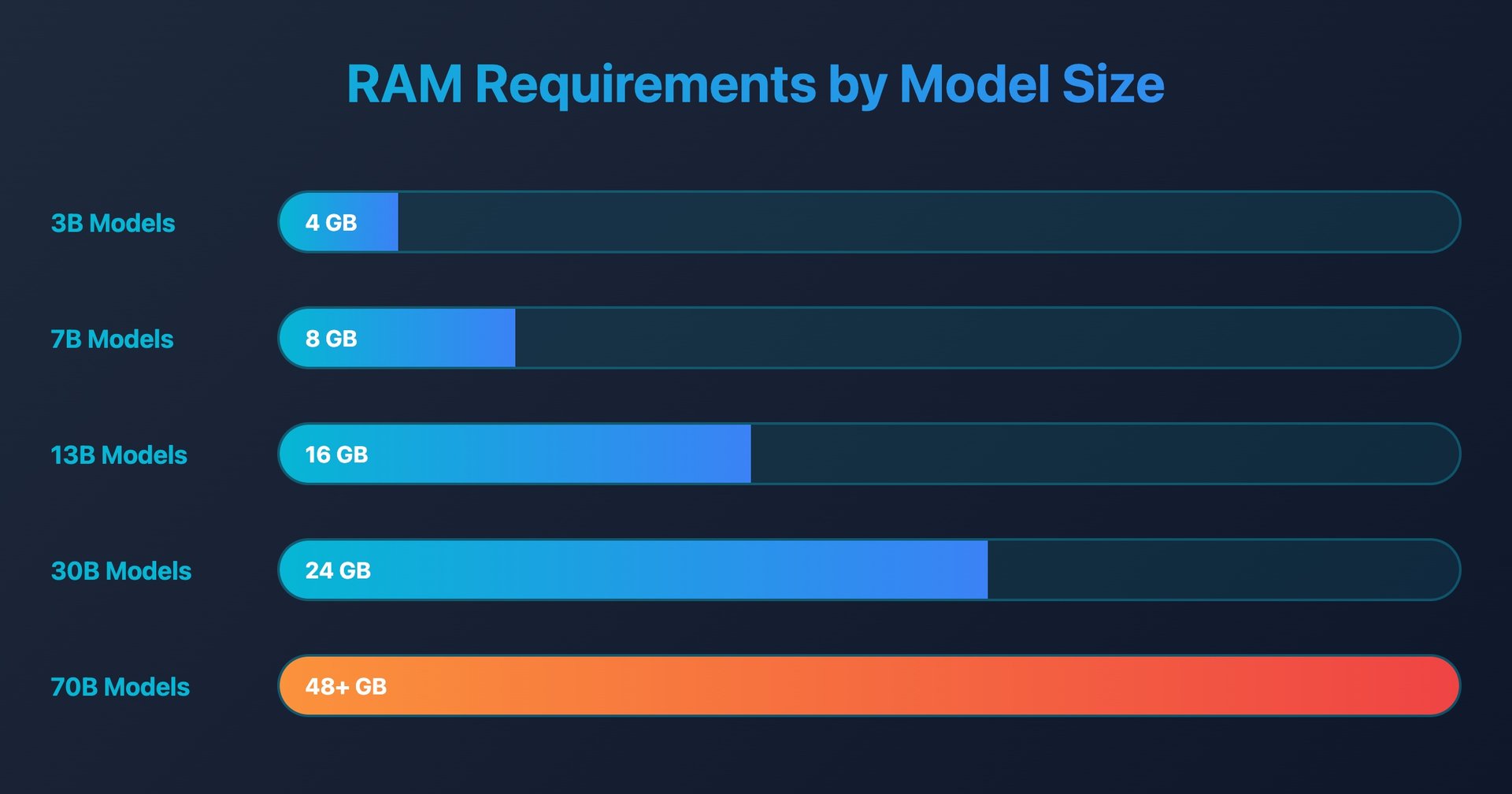
The sweet spot for most users is 32GB to 64GB of system RAM, enough to run 7B-13B models at Q4 quantization with comfortable overhead for the OS, KV cache, and context window. With DDR5-6000 2×16GB kits now hovering around €369-€419, you can equip a 32GB system for under €400. That was unthinkable six months ago, when the same capacity cost closer to €600.
For the budget-conscious builder targeting entry-level LLM inference, DDR5-6000 2×16GB kits are hitting a sweet spot. The bandwidth is sufficient for CPU-offloaded inference, and the capacity covers the most popular model sizes. If you need 64GB for running 30B+ models, those kits have dropped too, though with less dramatic percentages.
What DDR5-6000 Gets You in Practice
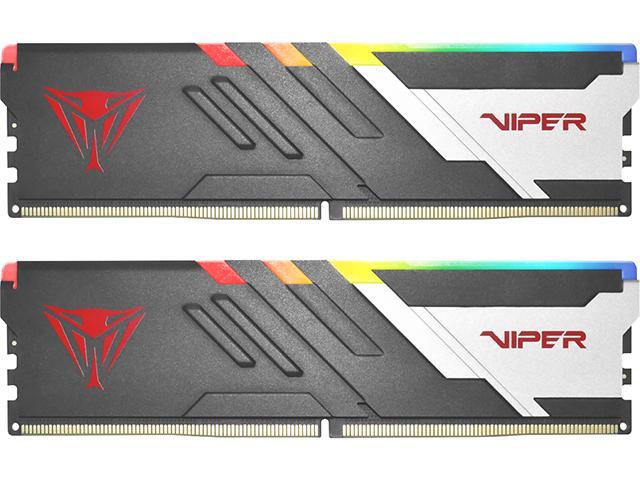
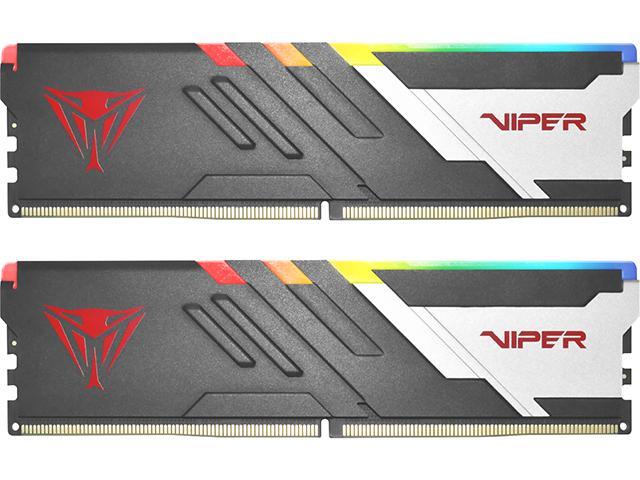
Let’s ground this in real hardware. One of the best value kits right now is the Patriot Memory Viper Venom RGB 32GB (2×16GB) DDR5-6000 CL30, available for around $390 on the US side and comparable pricing in EU markets. This is a CL30 kit with decent overclocking headroom, not the absolute fastest memory on the market, but more than adequate for AI workloads where capacity and stability matter more than squeezing out 2% more bandwidth.
For those wanting higher frequencies, there are options like the Corsair Vengeance 32GB DDR5-7200 CL34 or the G.Skill Trident Z5 RGB 32GB 6800MHz CL34, but these come at a premium, typically $595-630 range, and the performance uplift for LLM inference is marginal compared to just buying more capacity.
If you’re building a dedicated local AI rig, here’s the rule: capacity > speed > latency > RGB. Buy as much RAM as you can afford at reasonable speeds (6000-6400 MT/s is fine), and don’t overpay for low-latency kits that won’t meaningfully change your tokens-per-second.
The Risk: These Drops Might Not Last
Here’s the uncomfortable counterpoint. The DDR5 price crash appears to be a consumer-market phenomenon, driven by oversupply and weakening demand in the gaming PC segment. Meanwhile, the server and enterprise DRAM market is heading in the opposite direction.
The TrendForce DRAM spot price data tells a different story: DDR5 16Gb spot prices have been volatile, and contract prices for server DIMMs are actually rising. DDR5 RDIMM 32GB 4800/5600 modules are holding at session averages around $1,275. That’s the enterprise tier, and it’s not softening.
Why? Because HBM and server DRAM are being consumed by AI data-center buildouts at unprecedented rates. OpenAI alone has been stockpiling DRAM at scale, some reports suggest they’ve secured roughly 40% of available DDR5 spot supply, a move that’s been linked to broader hardware price inflation.
The gap between consumer and enterprise memory pricing has never been wider. If the enterprise demand eventually bleeds into consumer channels, or if DDR5 wafer allocations get shifted to HBM production, these price drops could reverse as quickly as they appeared. The AI-driven hardware inflation forecast suggests that by Q3-Q4 2026, consumer DRAM could see upward pressure again.
What the Community Is Saying
The response on developer forums and Reddit has been split between enthusiasm and skepticism. The sentiment that keeps surfacing: these drops are great for gamers and hobbyists, but anyone building a serious LLM workstation should look at server platforms instead.
A prominent argument making the rounds: a ten-year-old six-channel Xeon workstation with DDR4-2400 memory actually has more memory bandwidth than a modern DDR5 desktop system with high-speed kits. If you’re running CPU-offloaded inference, memory bandwidth is often the bottleneck, not capacity. A deep dive into memory bandwidth benchmarks confirms that for inference workloads, bandwidth scales almost linearly with performance.
The counter-argument: PCIe speed matters for prompt processing during hybrid inference, and a DDR5 desktop system with a single RTX 5090 (when they were closer to $2k) was the most cost-effective way to get good prompt processing. That calculus changes when GPUs are $5k+.
The reality is that most local AI builders are not running enterprise inference workloads at scale. They’re running 7B-13B models at Q4 quantization, with occasional forays into 30B-70B territory. For that use case, a modern DDR5 desktop with 64GB of system RAM is perfectly adequate, and the current prices make it an easier sell than ever.
The Bottom Line: Strike While the Iron Is Hot
If you’ve been on the fence about upgrading your local AI rig, the current market conditions are unusually favorable. DDR5-6000 2×16GB kits are at their lowest point in months, and German retailers are offering prices that undercut the rest of Europe by significant margins.
Here’s the practical advice:
- If you need 32GB: Buy now. Kits like the G.Skill Aegis at €419 or the Kingston FURY Beast at €369 are at price points that haven’t been seen since early 2025. Don’t overthink the speed, 6000 MT/s is the sweet spot for AMD AM5 and Intel.
- If you need 64GB: The G.Skill Trident Z Neo 2×32GB at €927 is tempting, but check if you’re better off buying two 2×16GB kits. Some motherboards handle four DIMMs better than others, but the price per gigabyte is often lower on 16GB sticks.
- Buy from Germany if you’re in the EU: The 10-20% price gap vs. NL/BE/ES is real. Retailers like NBB, Alternate.de, and Mindfactory consistently have the lowest prices. Use PriceSquirrel to track GPUs and RAM across countries.
- Watch for the reversal: The DRAM market is cyclical, and the current consumer price drop is happening against a backdrop of rising enterprise prices. If you need the RAM, don’t gamble on waiting for even lower prices, the risk of a snap-back is real.
As one builder on the LocalLLaMA subreddit put it: “DDR5-6000 2x16GB kits have dropped significantly and are now the sweet spot. If you’ve been waiting to upgrade for bandwidth, now might be the time.”
The data backs that up. Whether you’re building a dedicated inference box or upgrading your daily driver, the price window is open. How long it stays open depends on forces far beyond the consumer market.
For a deeper breakdown of the cost-benefit math between local and cloud inference, check out the break-even analysis that nobody wants to do.