Showing page 6 of 41
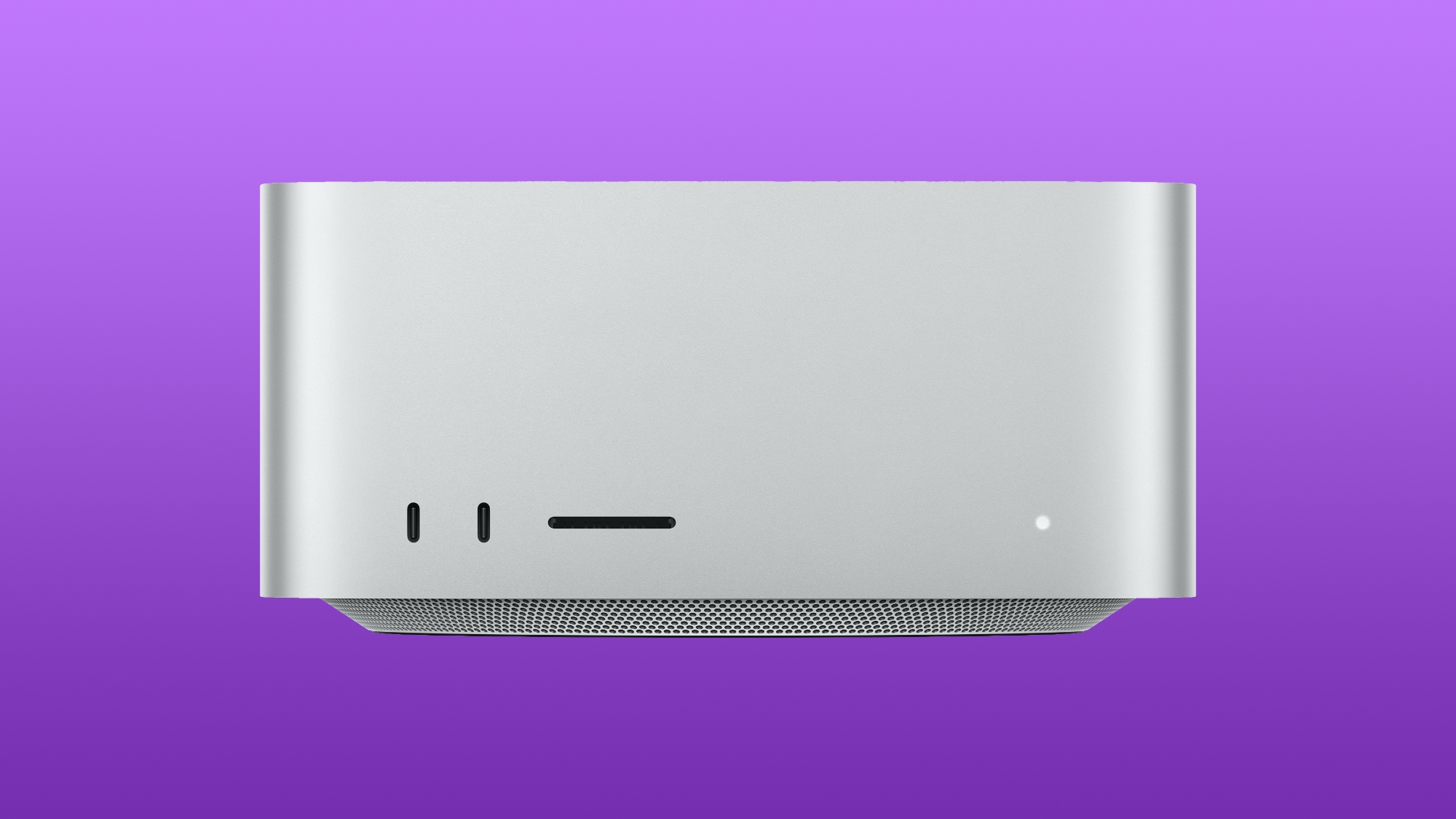
EXO Labs and Apple just killed the ‘Macs can’t cluster’ myth. Four M5 Ultra Mac Studios over Thunderbolt 5 RDMA deliver 4.8TB/s aggregate bandwidth. Here’s why latency, not bandwidth, is the real hero.
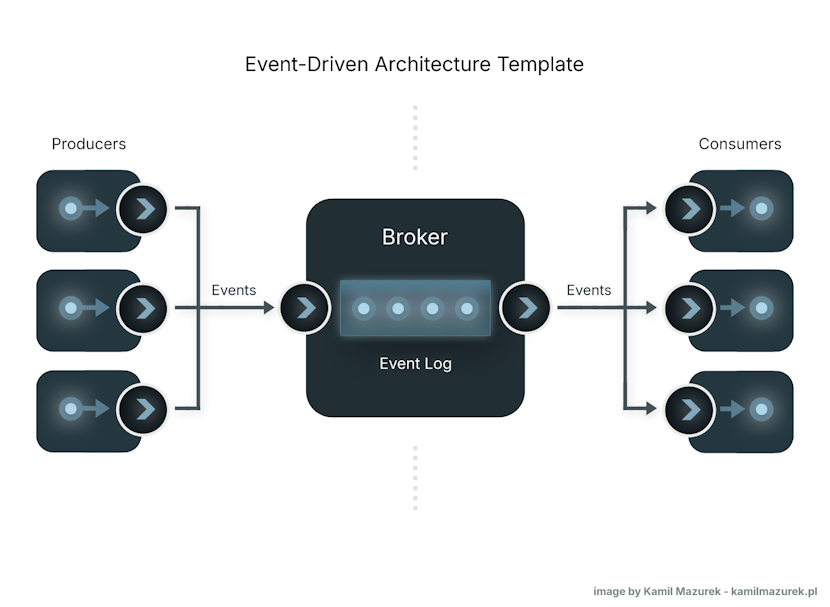
Kafka is a distributed commit log, not a task queue. Here’s what that actually means for your architecture, and where event-driven designs go wrong.
Turbopuffer, Neon, and Cursor are pushing ‘store everything in S3.’ But does the latency math work for your workloads?
System-level latency optimization patterns that go beyond code tuning, bypassing components, co-location, preprocessing, and request hedging.
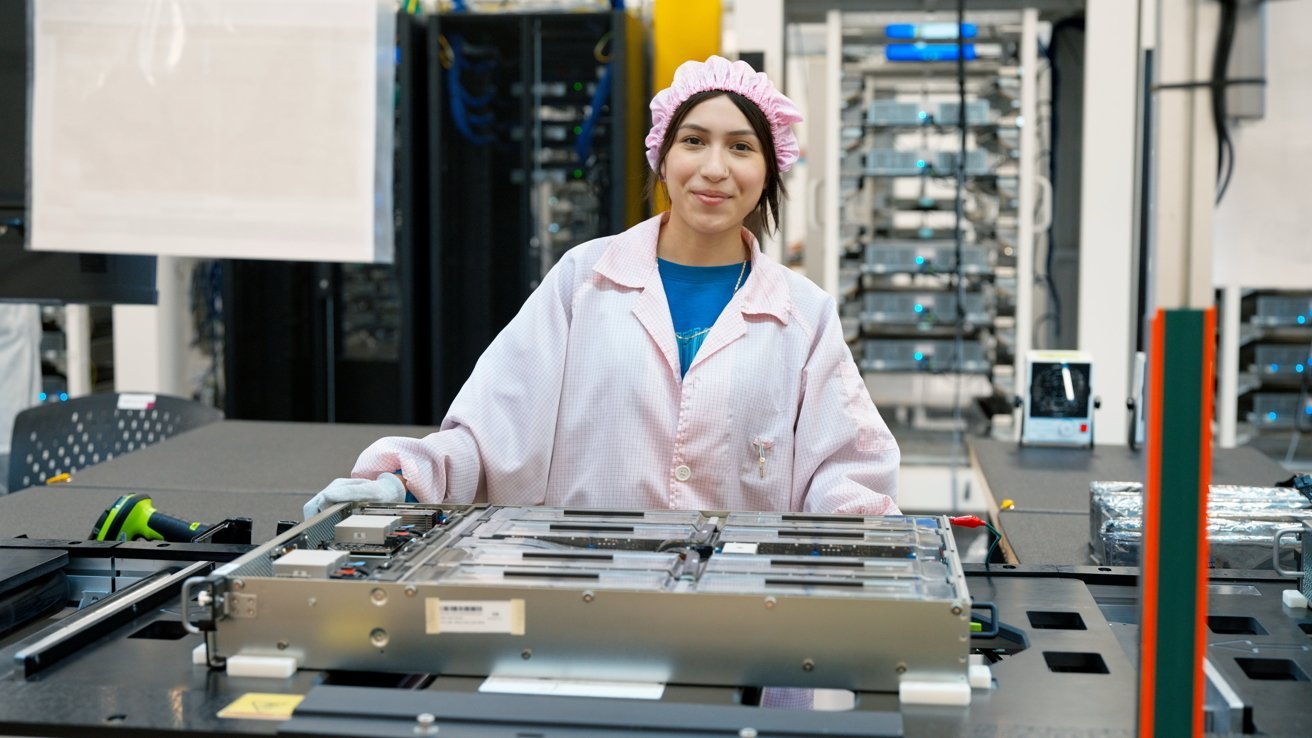
Leaked photos reveal Apple’s Private Cloud Compute servers packed with 32 M5 chips. Here’s what it means for on-device AI, privacy, and Apple’s competitive position.
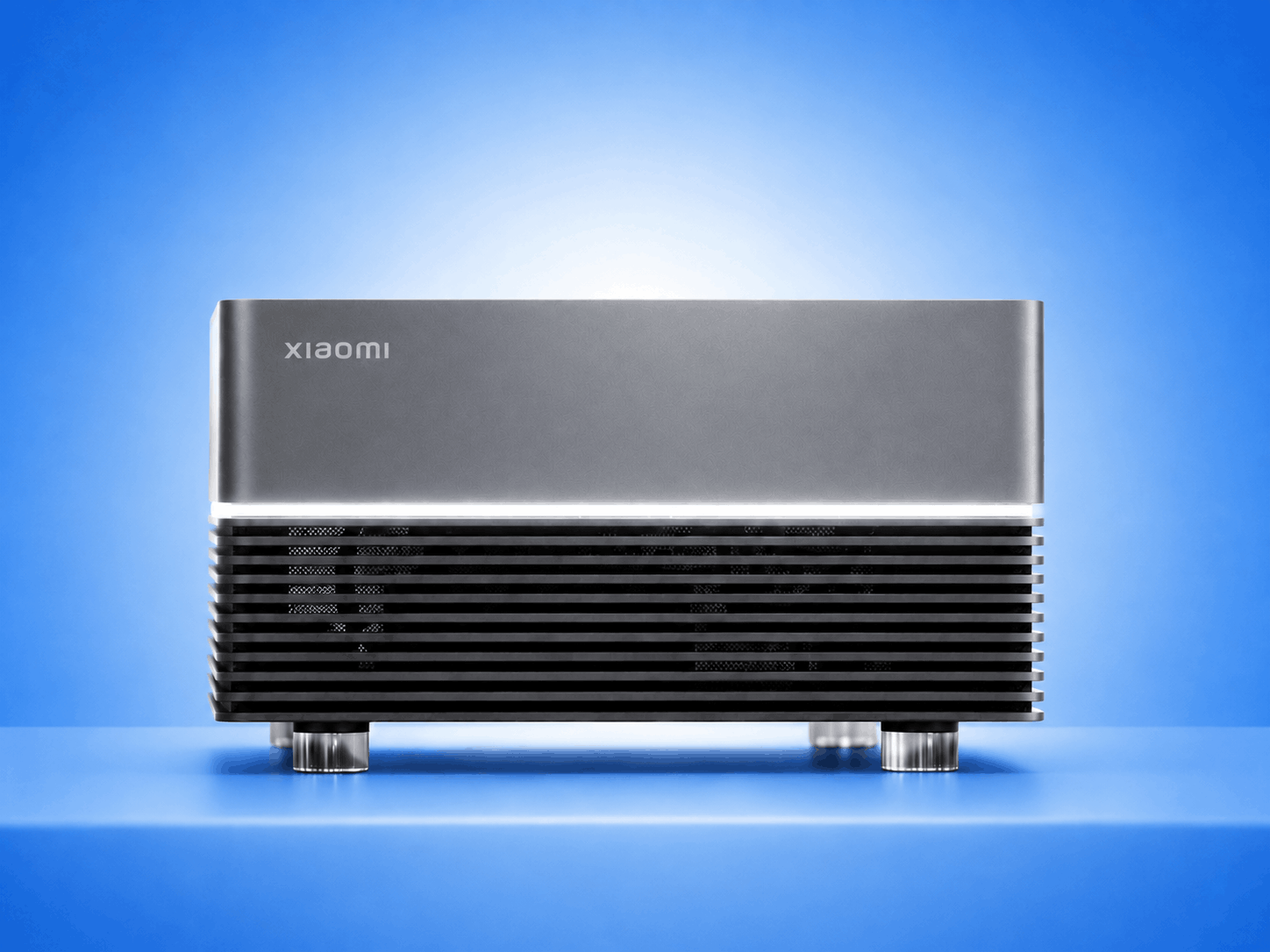
Xiaomi’s AI Cube prototype joins three custom chips to push 1.22TB/s memory bandwidth and run 120B local models. Here’s why it matters and what’s still missing.
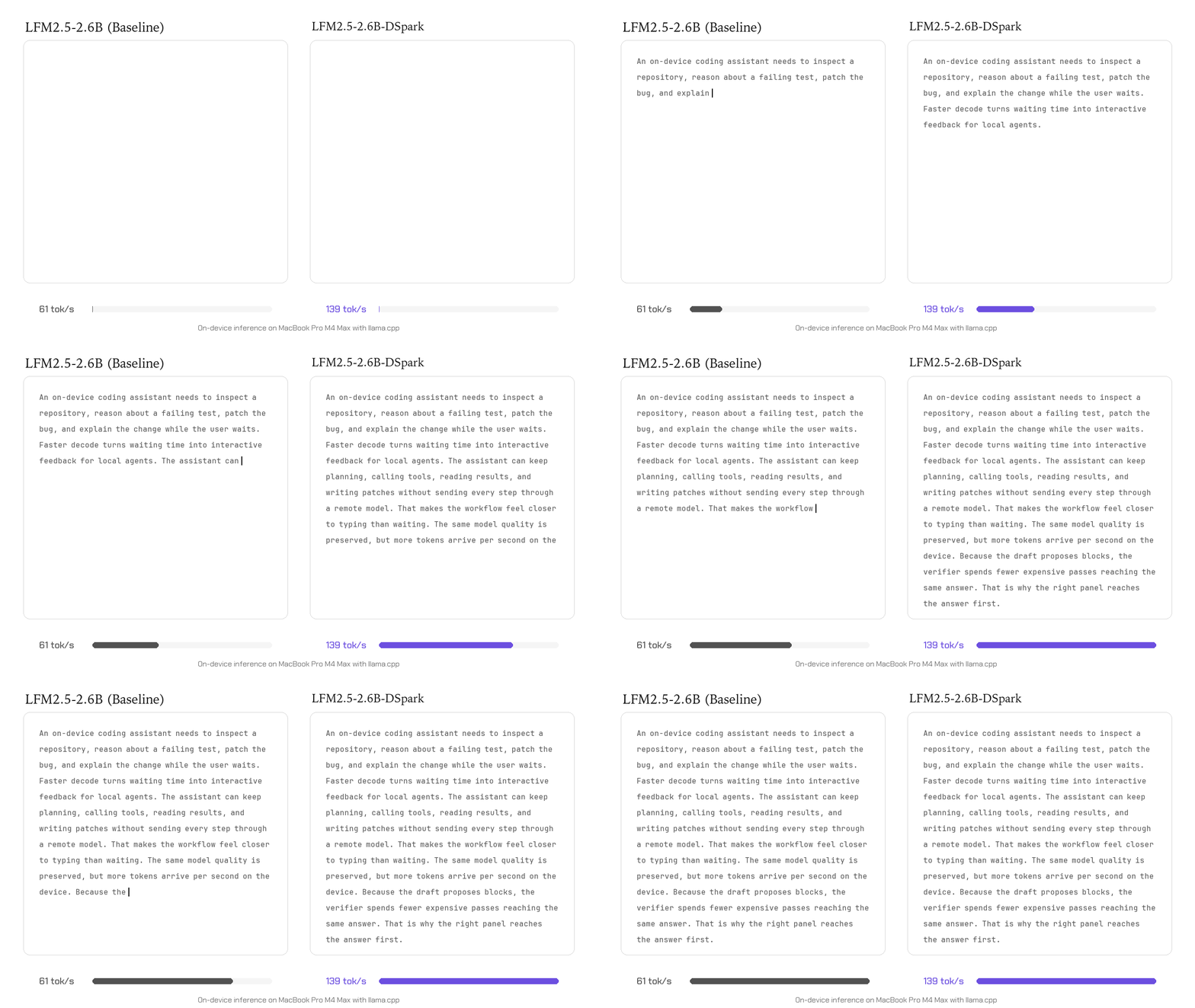
Liquid AI is teasing a 100B-parameter model that could flip the ‘bigger is better’ narrative. Here’s why speed-first architecture matters more than parameter count.
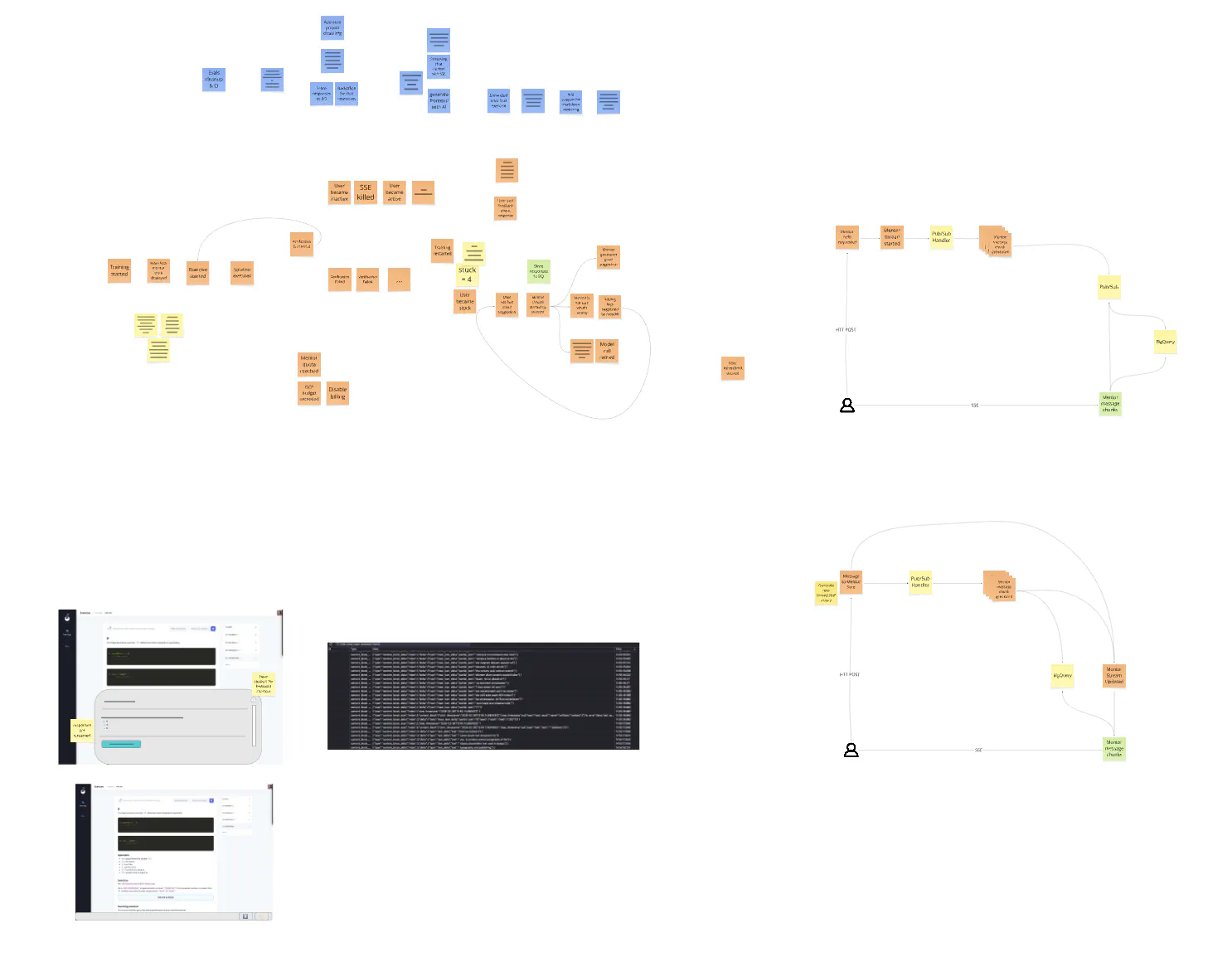
The most productive use of AI in system design isn’t generating architecture, it’s challenging your decisions. Here’s why the Socratic approach is taking over.
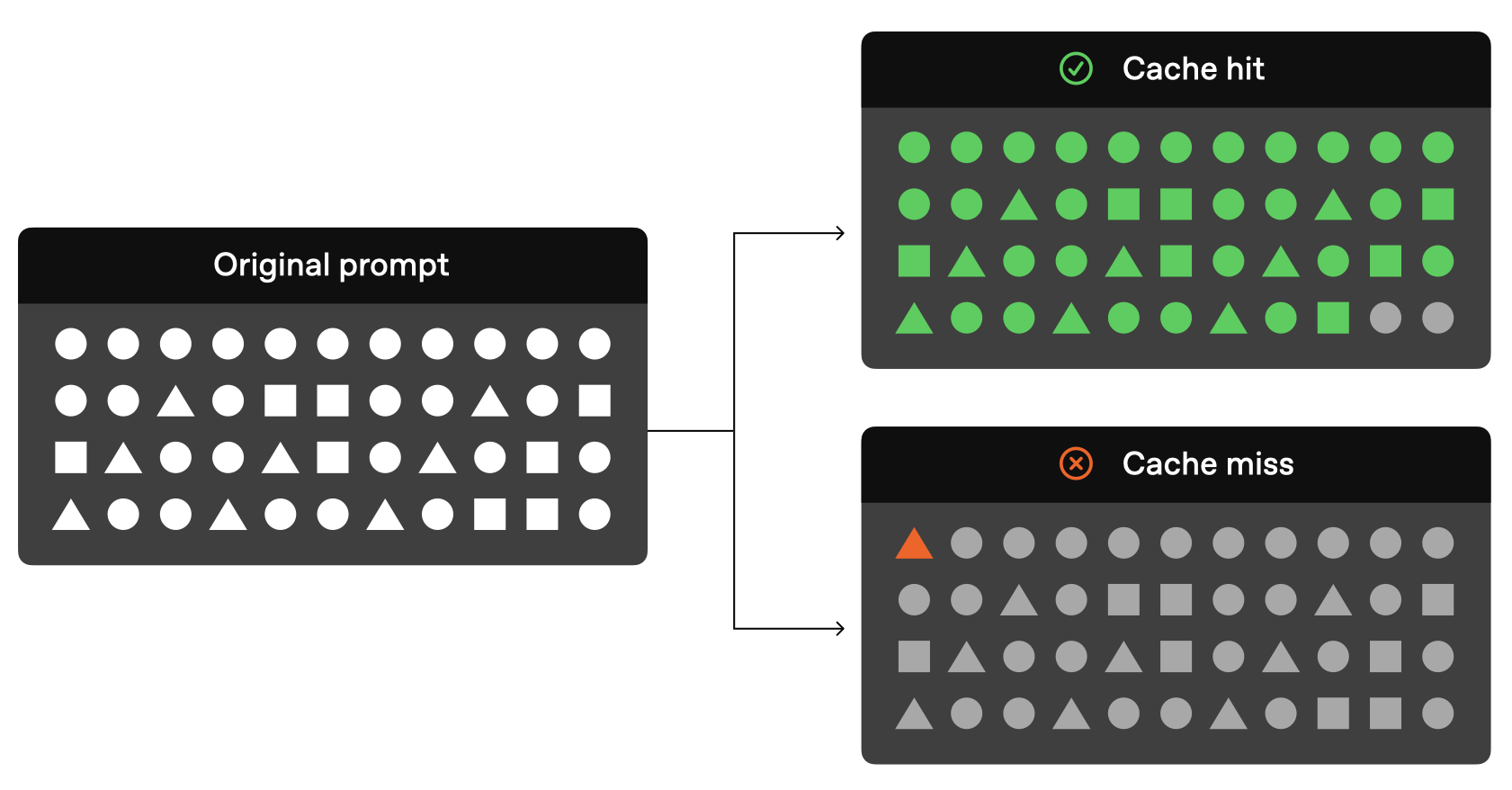
Why round-robin routing destroys LLM inference performance and how prefix-aware routing fixes it
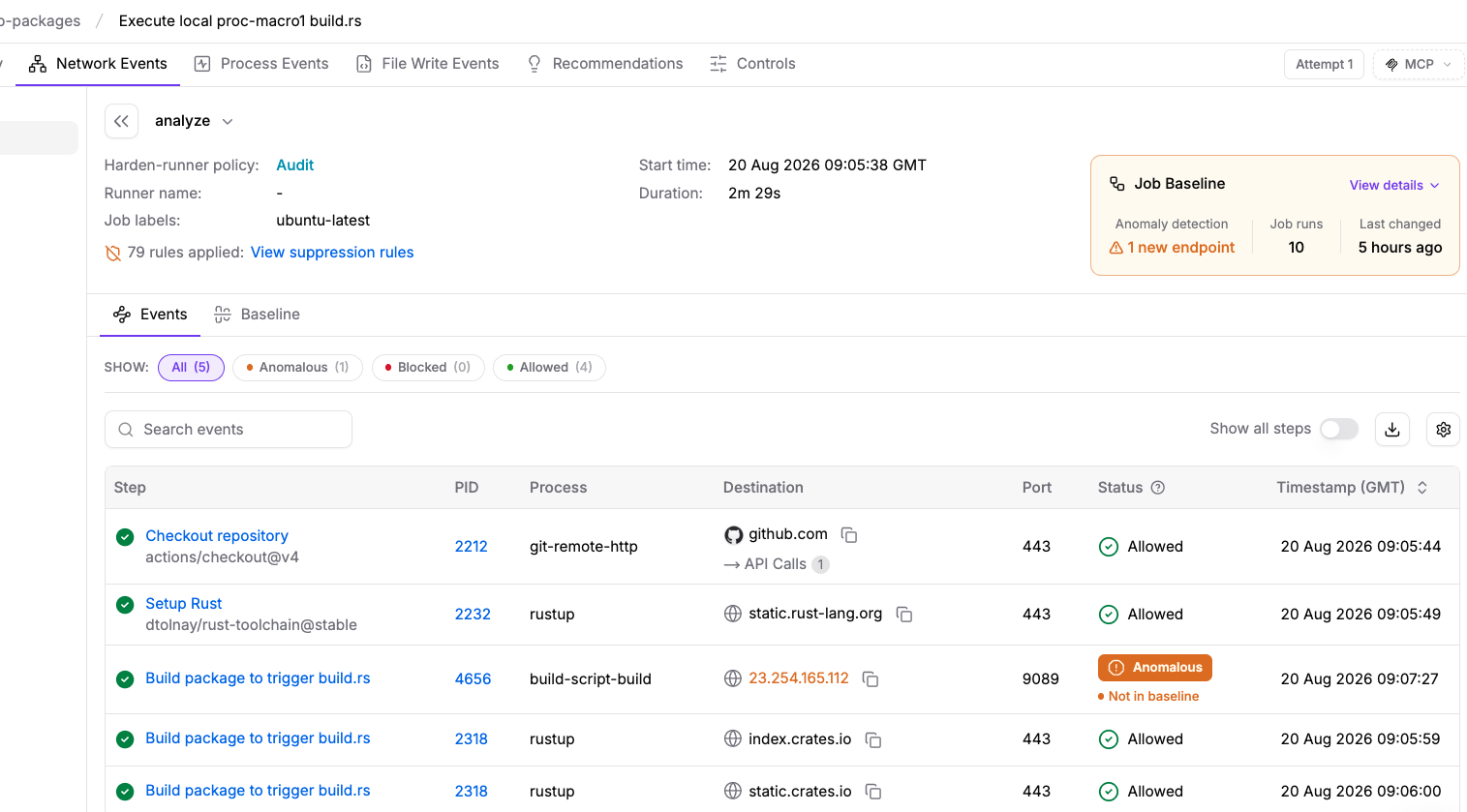
How the arrayref compromise turned a routine cargo update into silent RCE, weaponizing yanked versions as bait
AI coding tools are producing more code than ever. Here’s why Domain-Driven Design matters more now than it did in 2003.
Why self-similar, vertical slices beat both layered and feature-factory architectures when cognitive load is the real bottleneck