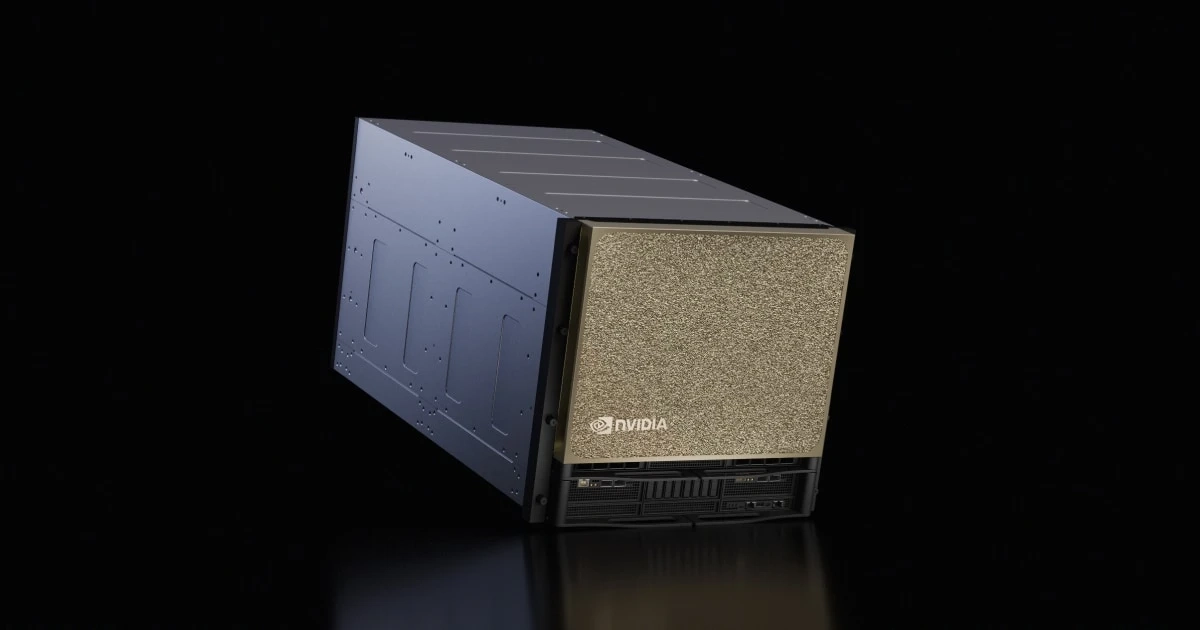
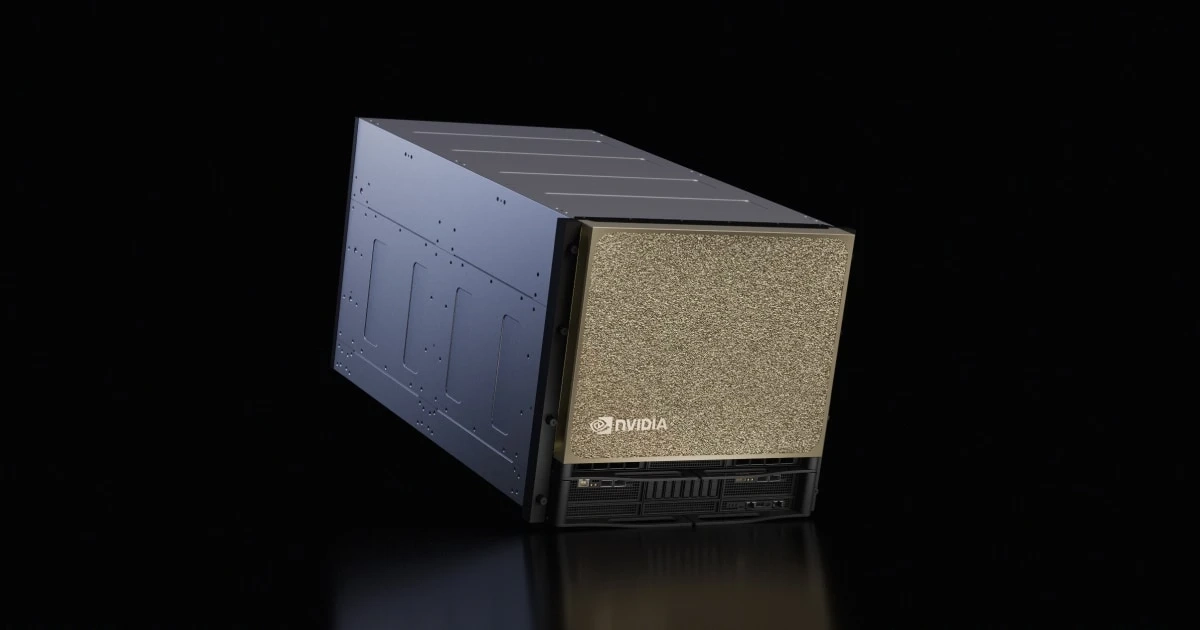
Here’s a sentence you don’t hear every day: thousands of Nvidia’s most advanced B300 GPUs, hardware that was sold out for months and trading at absurd premiums, are suddenly sitting in warehouses with no buyers.
The culprit isn’t an AI bubble bursting (though that’s a separate conversation). It’s a regulatory crackdown that’s reshaping the global AI infrastructure map in ways that are equal parts fascinating and chaotic.
The U.S. Department of Commerce’s Bureau of Industry and Security (BIS) dropped an interim final rule on November 16 that effectively shut down the “remote access loophole”, the practice of Chinese companies renting compute power in overseas data centers to sidestep export controls on physical chip shipments. The rule took effect November 19, and within days, an unusual volume of B300 GPUs started appearing on secondary markets.
Jack Duhamel, president of AI infrastructure marketplace GPU Mart, told CNBC that the surge was directly tied to the rule. One seller explicitly told his platform the sale was prompted by the regulatory change. The chips, it turns out, were originally destined for data centers where Chinese companies would rent access, a business model that just became illegal overnight.
The Numbers Behind the Fire Sale
Let’s put this in perspective. The rule’s license trigger sits at 12 million Total Processing Performance (TPP), a measure BIS uses to determine when a data center providing compute to China-linked tenants needs a license. TechTimes did the math: that threshold equals roughly 200 B300 GPUs’ worth of access.
Now here’s the kicker: sellers are floating deals for at least 2,000 B300s. That’s ten times the license line. In dollar terms, at an estimated $550,000 per eight-GPU server, we’re talking about $69 million per thousand GPUs at U.S. prices.
The irony is thick enough to cut with a wafer. These are the same chips that were selling at 5-7x premiums on China’s black market, with a single eight-B300 server fetching around CNY 20 million ($3.0 million) in Shenzhen’s Huaqiangbei electronics market. The “restriction” created scarcity in one market while flooding another.
The Southeast Asian Domino Effect
The rule doesn’t just affect China, it’s creating chaos across Southeast Asia’s booming data center industry. BIS now requires licenses for advanced chip transfers “to or within” Indonesia, Malaysia, Singapore, Thailand, and Brazil. US-headquartered buyers get an exemption if sellers file monthly reports, but everyone else faces the bureaucratic gauntlet.
Nvidia reportedly asked its manufacturing partners to halt AI server shipments to these countries entirely. Dell and Super Micro, the server assemblers handling most of this hardware, have notified buyers that orders can’t ship. The result? A region that was Nvidia’s profit center (revenue at its Singapore entity hit $104 billion in 2025, up 72% year-over-year) is now in regulatory limbo.
One cloud company executive captured the mood perfectly: “The new rules are out, but there are no implementation guidelines. With the 90-day deadline ticking, nobody knows how to apply for a license, and the entire region is in chaos.”
The deadline they’re referencing is February 17, 2027, when data centers already serving China-linked customers must have licenses or restructure their customer bases. That’s barely three months away, and the application process remains a black box.
Who’s Buying the Surplus?
This is where it gets interesting. The obvious answer, U.S. data center operators, isn’t as straightforward as it sounds. Liquid Compute’s CEO told The Next Web that operators previously serving Chinese customers are redirecting capacity toward U.S. buyers. But there’s a catch: rental prices are already softening.
B300 rental prices dropped 7% between October and late November, from $7.72 to $7.19 per GPU-hour. That’s a meaningful decline in a market that’s been characterized by scarcity pricing for two years.
But here’s the uncomfortable truth: the secondary market isn’t just absorbing these chips into legitimate buyers. The Huaqiangbei market in Shenzhen, the same place where the 5-7x premiums are being quoted, is where a lot of this hardware is “disappearing.” One merchant there admitted the chips are sourced from Hong Kong but “didn’t know exactly where they came from before entering Hong Kong.”
The regulatory cat-and-mouse game is escalating. U.S. Trade Representative Jamieson Greer told CNBC the rule is designed to close “loopholes”, both smuggling through Southeast Asia and remote access from third-country data centers. But as the black market activity demonstrates, the physical distribution chain is notoriously difficult to control.
The Monopoly Paradox
Meanwhile, Nvidia is playing its own game. During the Q3 earnings call on November 17, then-interim CEO Colette Kress said performance would remain strong because “demand for chips far exceeded supply.” That’s a strategically ambiguous statement given the thousands of B300s suddenly looking for homes.
There’s a fascinating economic tension at play here. Nvidia’s dominance means it can manage production to maximize margins, economists would call this “monopolist sweet spot” pricing. But regulatory shocks like this one disrupt that calculus. When chips that would’ve commanded premium prices in China’s gray market suddenly need legitimate buyers, the pricing power shifts.
Some analysts are already flagging a potential oversupply in the U.S. market. SemiAnalysis, a market research firm, recently noted signs of “a broad calming in chip prices.” For anyone who’s been watching the AI infrastructure market, that’s a notable shift from the 2024-2025 era of “if you can find it, you can afford it.”
What This Means for AI Infrastructure Planning
For enterprise architects and AI infrastructure teams, this situation creates both opportunities and headaches:
The opportunity: If you’ve been priced out of high-end GPU capacity, this surplus could represent a genuine opening. B300 rental prices are softening, and the secondary market has inventory that needs to move.
The headache: The regulatory environment is changing faster than deployment timelines. The rule’s “knowledge standard”, which holds sellers accountable for knowing whether buyers will serve China-linked customers above the TPP threshold, creates compliance risk that travels with the hardware. Squire Patton Boggs notes that later reexports and in-country transfers remain subject to review even if the current holder wasn’t part of the original export.
Before you snap up discounted B300s, ask two questions: Where do these chips physically sit, and have they served China-headquartered tenants above roughly 200 GPUs of access? If you can’t answer both with confidence, you’re buying a legal liability, not a compute asset.
The Broader Geopolitical Reckoning
This situation is emblematic of a deeper shift. The U.S. is no longer just controlling physical chip shipments, it’s extending jurisdiction into cloud services and compute access. The Remote Access Security Act, which passed the House and awaits a Senate vote, would grant the government even broader authority over cloud access. Nvidia has warned customers this could expose both parties to “legal action.”
China isn’t sitting idle. Beijing has called the rule “typical economic coercion”, and the country has been accelerating its domestic chip development. The 4.4-month gap between Chinese open-weight models and U.S. frontier offerings, a gap that was already closing, could narrow further as access to Western hardware tightens.
For companies building AI infrastructure that might touch international markets, the regulatory landscape just became a first-class architectural concern. You’re not just choosing between CUDA and ROCm anymore, you’re choosing between compliance regimes.
The Takeaway
The B300 fire sale is a snapshot of what happens when geopolitics meets silicon supply chains. The U.S. closed one loophole, and the market responded by opening others. Chips are flooding legitimate secondary markets while their cousins command 5-7x premiums in Shenzhen’s gray market. Data centers in Southeast Asia are scrambling to find buyers, and banks are pulling credit lines from cloud companies whose supply chains just got severed.
For the rest of us, this is a reminder that AI infrastructure is political infrastructure. The days of buying GPUs and deploying clusters in a regulatory vacuum are over. Whether you’re planning a modest inference deployment or a massive training cluster, the rules of the game are being rewritten in real-time.
And somewhere in a warehouse, thousands of B300s are waiting to see which market they’ll end up serving.