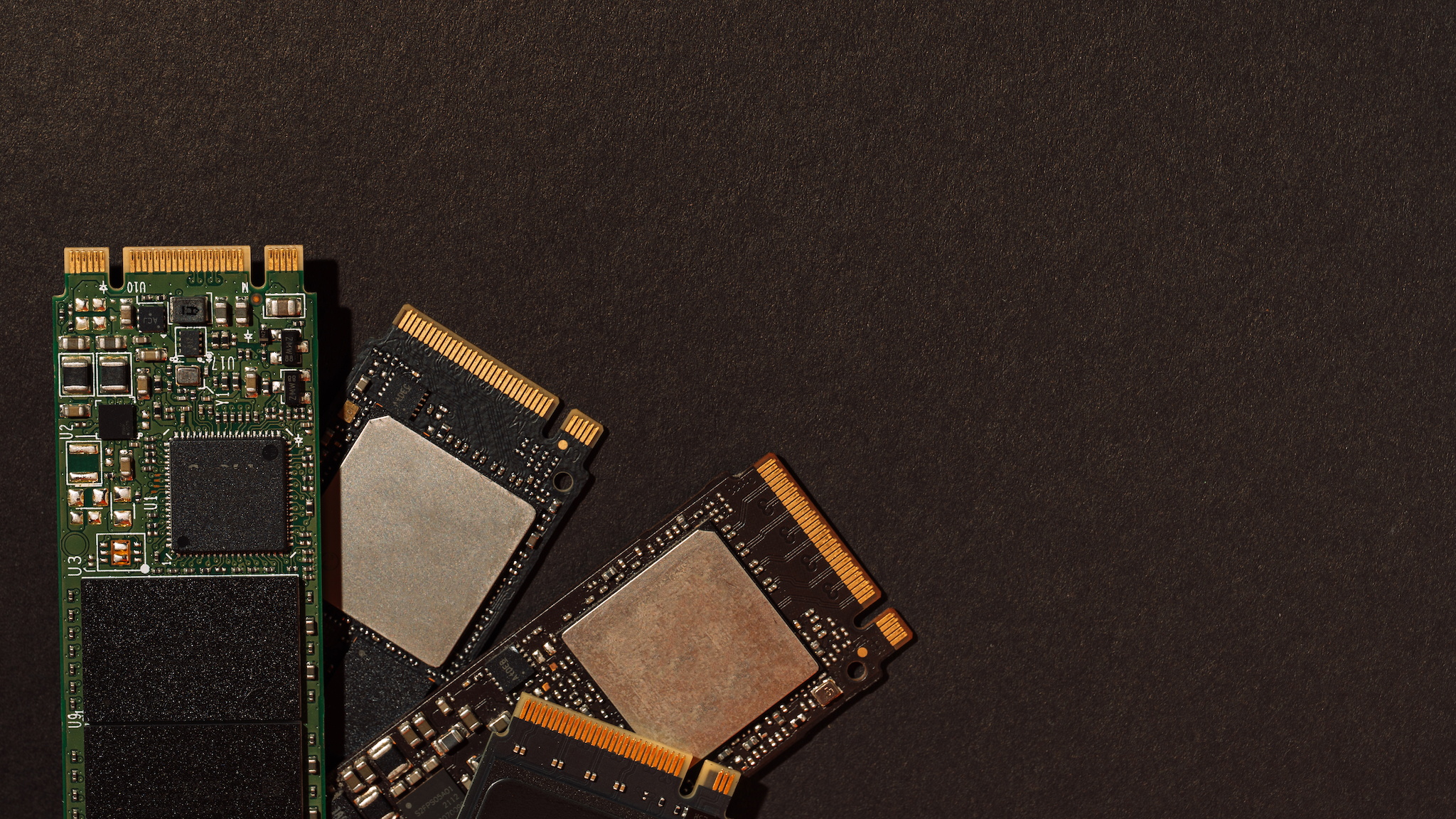
For the first time in what feels like forever, there’s actual good news for anyone trying to buy storage without taking out a second mortgage. Consumer NAND spot prices have dropped roughly 20% in a single month, according to a report from Seoul Economic Daily citing Bank of America analysis. Those same 512Gb wafers that were commanding premium prices just months ago? Down 32% quarter-over-quarter to $14.30. The 1Tb products? Off 19% to $24.90.
Before you start planning that 8TB NVMe shopping spree, let’s dig into what’s actually happening, because this market correction is weirder and more complicated than a simple “prices are dropping” headline suggests.
The AI Boom Created a Split-Personality Market
Here’s the paradox: we’re in the middle of the biggest AI infrastructure buildout in history, and somehow consumer NAND is cheaper. Enterprise SSD prices are expected to rise 15-20% quarter-over-quarter in Q4 2026, per TrendForce’s latest forecast. Meanwhile, commodity NAND used in your laptop and phone is sliding.
The same chip now commands wildly different prices depending on where it ends up. That’s not an accident, it’s structural.
High-density NAND (around 300 layers) requires fundamentally different production tooling compared to the commodity-grade silicon in consumer devices. Bank of America notes that 20-30% of global NAND wafer capacity sits on older fabrication lines that simply can’t produce the advanced chips AI data centers demand. So while AI demand continues to suck up enterprise-grade supply, the older fabs keep pumping out commodity NAND that fewer people want to buy.
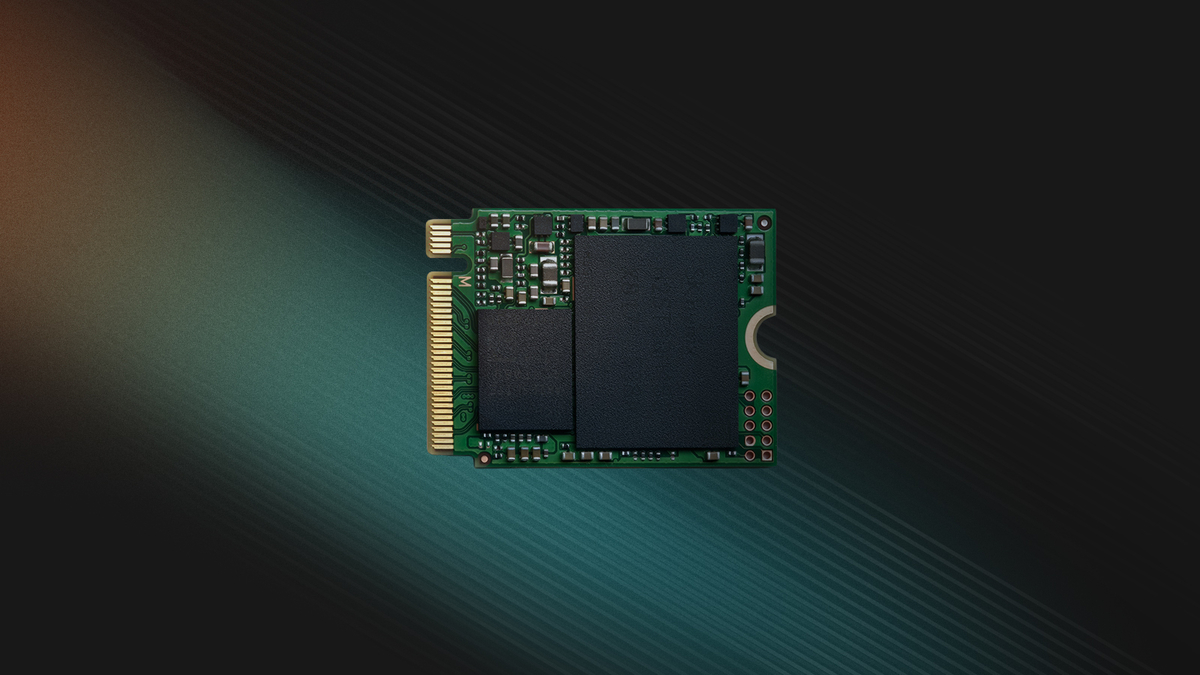
Consumers Finally Said “Enough”
The real story here isn’t supply, it’s demand, or rather, the lack of it. The memory price surge of the past couple years has been so aggressive that it’s started eating its own lunch.
Counterpoint Research expects smartphone shipments to fall 13.9% year-over-year to about 1.08 billion units, the worst annual decline on record. PC shipments dropped 22.4% in Q3 alone, according to Gartner, with component cost inflation pushing average selling prices to uncomfortable levels. Even Apple is feeling the squeeze, with its manufacturing bill climbing by $33 billion due to memory costs.
Smartphone makers aren’t just selling fewer devices, they’re also cramming less NAND into each one. Base storage capacities are shrinking, higher-capacity models carry premium markups, and consumers are responding by holding onto their existing hardware longer. That’s a double squeeze on NAND demand.
Meanwhile, Fairphone reported that memory now accounts for 60% of materials cost in their devices, a number that would have sounded insane three years ago. Smaller manufacturers are literally redesigning products around memory prices.
YMTC Is the Wild Card Everyone’s Watching
You can’t talk about NAND price drops without talking about China. YMTC has been quietly (and not so quietly) eating market share in the consumer NAND segment, reaching 14% revenue share in Q2, up 5 percentage points year-over-year. That puts them within striking distance of SK hynix at 19%, though Samsung still leads at 28%.

But it’s not just market share that matters. YMTC is reportedly targeting a Shanghai IPO as early as Q1 2027, which would give them access to serious capital for expansion. And their fourth fab in Wuhan is expected to source up to 70% of its equipment from domestic suppliers, producing NAND with more than 300 layers.
The DRAM market is effectively a three-player oligopoly (Samsung, SK hynix, Micron) that’s historically been disciplined about capacity. NAND has always been more fragmented, Kioxia, SanDisk, and now YMTC all add competitive pressure. Chinese competitors are expanding commodity output while global suppliers chase higher margins in enterprise products. That’s a recipe for continued price pressure in the consumer segment.
The Contract Price Question That Actually Matters
Here’s where the skepticism comes in. Spot prices are the short-term, volatile end of the market, the day-trading equivalent of memory pricing. The prices that actually matter for the SSDs, laptops, and phones you’ll buy next quarter are contract prices, negotiated months in advance between chipmakers and large buyers.
Bank of America expects consumer NAND contract prices to fall a more modest 5-10% quarter-over-quarter in Q1 2027. Enterprise products should hold steady or edge slightly higher. That’s meaningful, but it’s not the crash many consumers are hoping for.
The developer forum sentiment captures the frustration well. “We need an 85-90% drop to return to where we were”, noted one commenter, and that’s roughly accurate. Even after the recent decline, 512Gb NAND spot prices remain 121% higher year-over-year. We’re not seeing a crash, we’re seeing the froth come off a bubble that inflated to ridiculous levels.
The comparison to the recent EU DDR5 price crash is instructive. There, prices fell 28% in 25 days, directly benefiting local LLM builders who’d been priced out of memory upgrades. But DDR5 serves a different demand profile than consumer NAND, and its crash was driven by a more concentrated supply glut.
Why This Matters for Tech Decision Makers
If you’re running infrastructure or making hardware purchasing decisions, here’s what to watch:
-
Q1 2027 contract negotiations, Bank of America expects buyers to have significantly more leverage in early-year negotiations. If you’re buying storage in volume, this is when to press for discounts.
-
The enterprise/consumer divide will persist, Don’t expect AI-grade storage costs to drop. Enterprise SSD demand remains strong, and suppliers have every incentive to keep pouring capacity into higher-margin products.
-
YMTC’s moves could reshape the market, An IPO plus new fab capacity could give them the scale to be a genuine price-setter in consumer NAND, not just a price-taker. That’s potentially great for consumers and terrifying for Samsung and SK hynix’s margins.
-
The window is narrow, The memory industry has a long history of overcorrecting in both directions. Today’s oversupply could become tomorrow’s shortage if suppliers start cutting consumer production to chase AI margins.
The Bottom Line
The 20% spot price drop is real, and the contract price declines expected for early 2027 should translate into somewhat cheaper SSDs, laptops, and phones. But “somewhat cheaper” is doing a lot of work here. We’re talking about a 5-10% contract price reduction, not a return to pre-AI-boom pricing.
The broader lesson is that the AI infrastructure buildout has fundamentally reshaped the memory market in ways that may be permanent. Consumer hardware now sits at the back of the line behind data center demand, and that ordering isn’t likely to change. The competitive dynamics Alibaba is exploiting in AI pricing, using Chinese manufacturing scale to undercut everyone, are playing out in memory too.
So yes, cheaper SSDs are coming. But the days of storage being a boring commodity that gets cheaper every year are probably gone for good. The market has found a new equilibrium, and consumers are no longer the priority customer.
Enjoy the price relief while it lasts, in this industry, the pendulum always swings back.