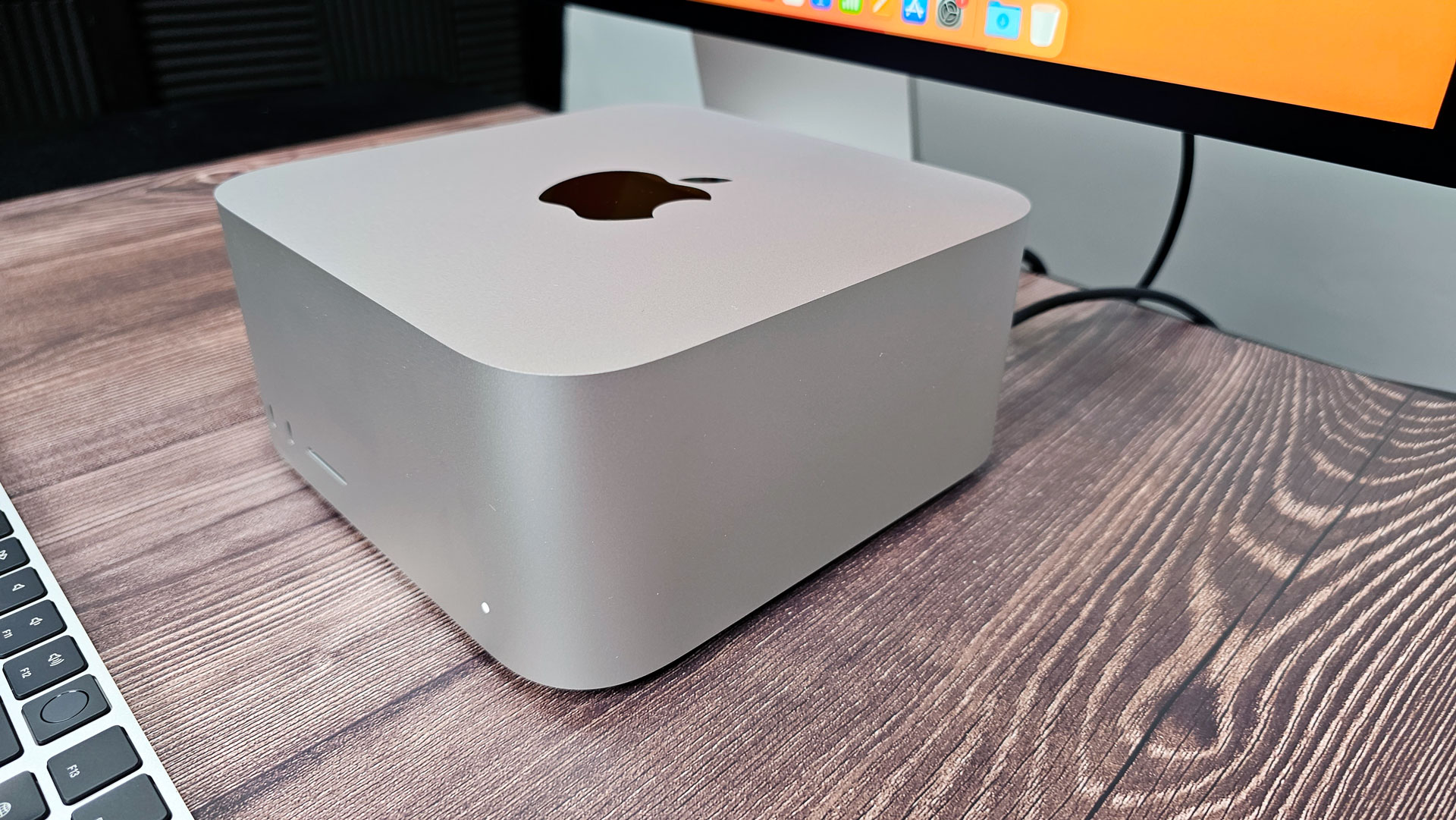
Apple’s position as the accidental champion of the local AI revolution just got a lot more complicated. In a move that felt less like a routine inventory adjustment and more like a strategic retreat, Apple has systematically removed the highest-memory configurations from its most promising AI rigs, the Mac Studio and Mac mini. The M3 Ultra Mac Studio now maxes out at 96GB of Unified Memory, a 2.6x reduction from its previous 256GB ceiling. This follows March’s discontinuation of the 512GB option. It’s a step back that doesn’t just affect video editors or music producers, it directly targets the burgeoning community of developers, researchers, and startups who bet on Apple Silicon to democratize powerful, local AI. This isn’t just a supply issue, it’s a signal about who Apple is building for, and it leaves a crucial question hanging: is the dream of sovereign, high-performance AI on your desktop over before it truly began?
The Vanishing Act: From 512GB to 96GB in Three Months
The timeline tells a grim story. The Mac Studio launched as a beast, offering up to 512GB of Unified Memory, a figure that made enterprise engineers and AI researchers do a double-take. Here was a compact, quiet desktop that could load multi-hundred-billion parameter models entirely into memory. Then, in early March, the 512GB option quietly disappeared from Apple’s online store. The explanation was a vague mix of supply constraints and a price hike on the remaining 256GB tier.
Fast forward to May 2026, and the other shoe drops. The 256GB configuration is also gone. The once-mighty M3 Ultra Mac Studio now tops out at 96GB. As first reported by 9to5Mac, this leaves the machine with a single memory configuration. Delivery windows for even this pared-down model stretch to 9-12 weeks.
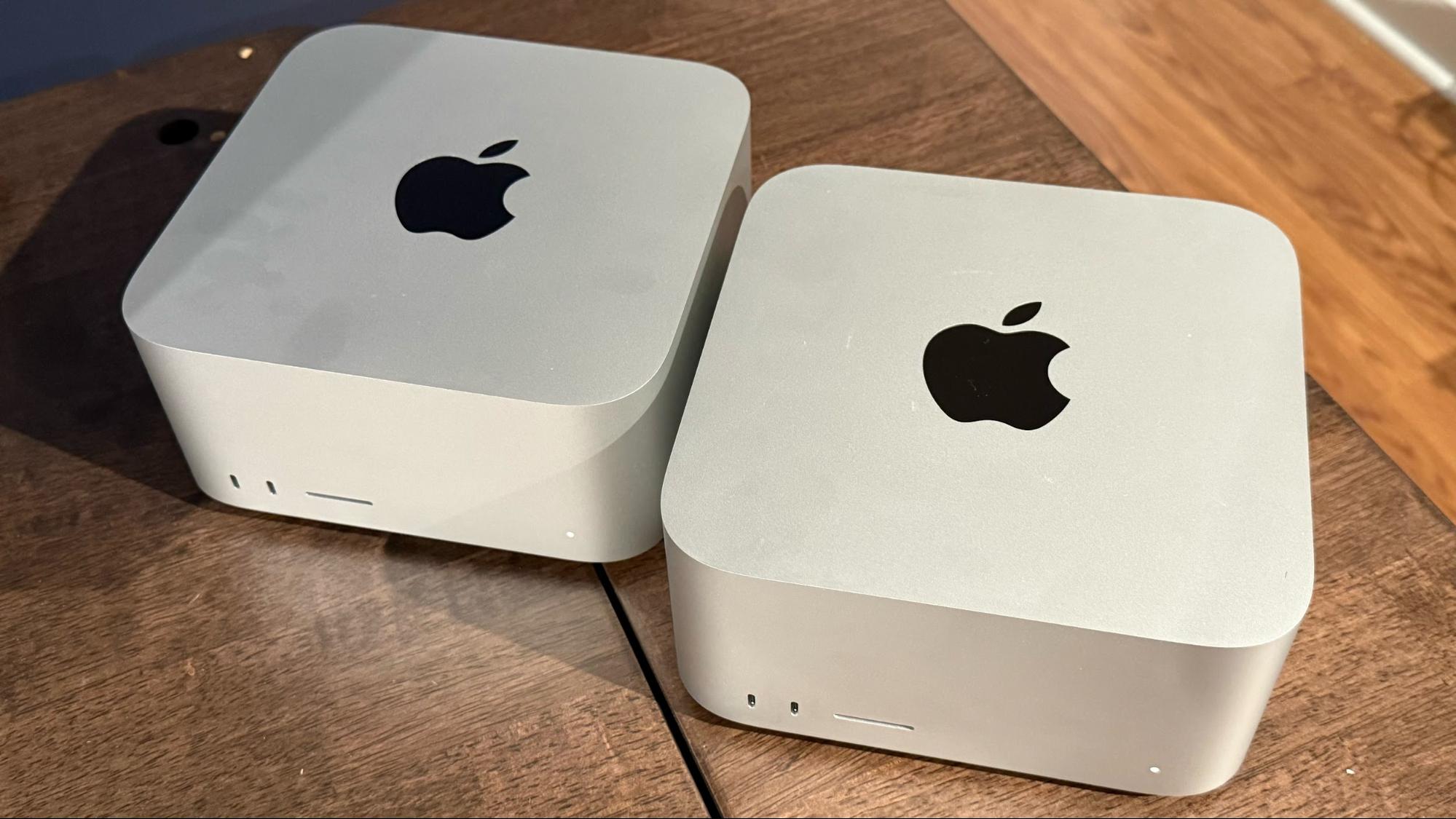
The Mac mini has been similarly gutted. The M4 Pro variant lost its 64GB option, now limited to 48GB max. The base M4 model saw its $599 entry point vanish, replaced by a $799 tier with more storage but capped at 24GB of RAM. Suddenly, the landscape for affordable, high-memory AI workstations looks barren.
The Dual Explanations: Supply Chain vs. Strategy
The surface-level narrative is one of pure, global scarcity. The AI boom has triggered a “RAMpocalypse” that’s consuming high-performance DRAM and the advanced packaging capacity needed for Unified Memory. Reports from across the industry corroborate this:
- Nvidia is accelerating end-of-life for DDR4-based Jetson modules.
- Memory card and flash drive prices have rocketed by 124%, with some products up 261%.
- Vendors are introducing “memory fees” on purchases.
- Tim Cook himself warned during Apple’s Q1 2026 earnings call that memory supply would be constrained “for months” and have a “greater impact” on future earnings.
The parts shortage is real. But is it the whole story?
The developer community isn’t buying it. The prevailing sentiment on forums is that Apple is deliberately reallocating its high-memory chip inventory to the upcoming M5 product line. One theory suggests the company doesn’t want the M5 lineup to look inferior to outgoing M3 models in terms of maximum RAM capacity, so the older high-memory options must vanish first. Others speculate Apple is prioritizing memory for mass-market products like the MacBook Neo and iPhone, products which generate far higher volumes and “ecosystem lifetime value” than niche high-end desktops.
Then there’s the cynical, darker interpretation: Apple may be deprioritizing the very machines that enable local, private AI, subtly pushing users toward its own cloud-based “Apple Intelligence” services. By constraining the hardware, they constrain the alternative. It’s a strategic bottleneck.
Why This Hits Local AI Devs Where It Hurts
Forget video rendering for a second. The Mac Studio’s unique value proposition for AI wasn’t just its processor speed, it was its sheer memory bandwidth and capacity in a desktop-class, thermally-unconstrained package.
Large Language Models are memory-bound beasts. Running a model like Llama 3.3 70B quantized (Q4_K_M) requires roughly 40-45GB of RAM. A 96GB Mac Studio can handle that model comfortably, with room for the operating system and other apps. A 256GB or 512GB Mac Studio? That wasn’t just running the model, it was building a playground. It enabled:
- Multi-model inference: Running a 70B model alongside a smaller, faster 7B coding model simultaneously.
- Larger context windows: Working with 128K+ token contexts without aggressive, lossy compression.
- In-memory vector databases: Keeping large RAG (Retrieval-Augmented Generation) datasets resident for real-time querying.
- Development and training: Fine-tuning models via LoRA requires holding the base model in memory while applying adapter weights.
With the new 96GB ceiling, that playground just became a tightrope walk. The upgrade path is cut off. As noted by Lukas Tanaka in his comprehensive 2026 local AI guide, the “sweet spot” for serious AI work was the Mac Studio M4 Max with 64-128GB. Apple just removed that entire sweet spot’s top end.
The impact is immediate. Community posts reveal developers lamenting the decision, one noting they’re “glad I own the M3 Ultra 512GB.” Another pointedly asks if Apple believes current LLMs are “too non-differentiated” and a “commodity market”, perhaps indicating a strategic pivot away from enabling cutting-edge local inference hardware.
Bleeding Out of the Ecosystem: The Developer Exodus Has Begun
This isn’t a one-time inconvenience, it’s a fracture point. Developers and businesses making hardware decisions today are factoring this in. The message from Apple is clear: if you’re building your future on high-memory Apple Silicon desktops, you are not a priority. This creates a chilling effect.
Previously, a technical lead could spec out a small cluster of 256GB Mac Studios for an internal AI research team, confident in the platform. Now, the only Apple path to >96GB is the astronomically priced and architecturally-different Mac Pro. The alternatives suddenly look much more appealing:
- NVIDIA RTX Workstations: Dual or quad RTX 6000 Ada builds offer massive VRAM pools, albeit at higher power draw, cost, and noise.
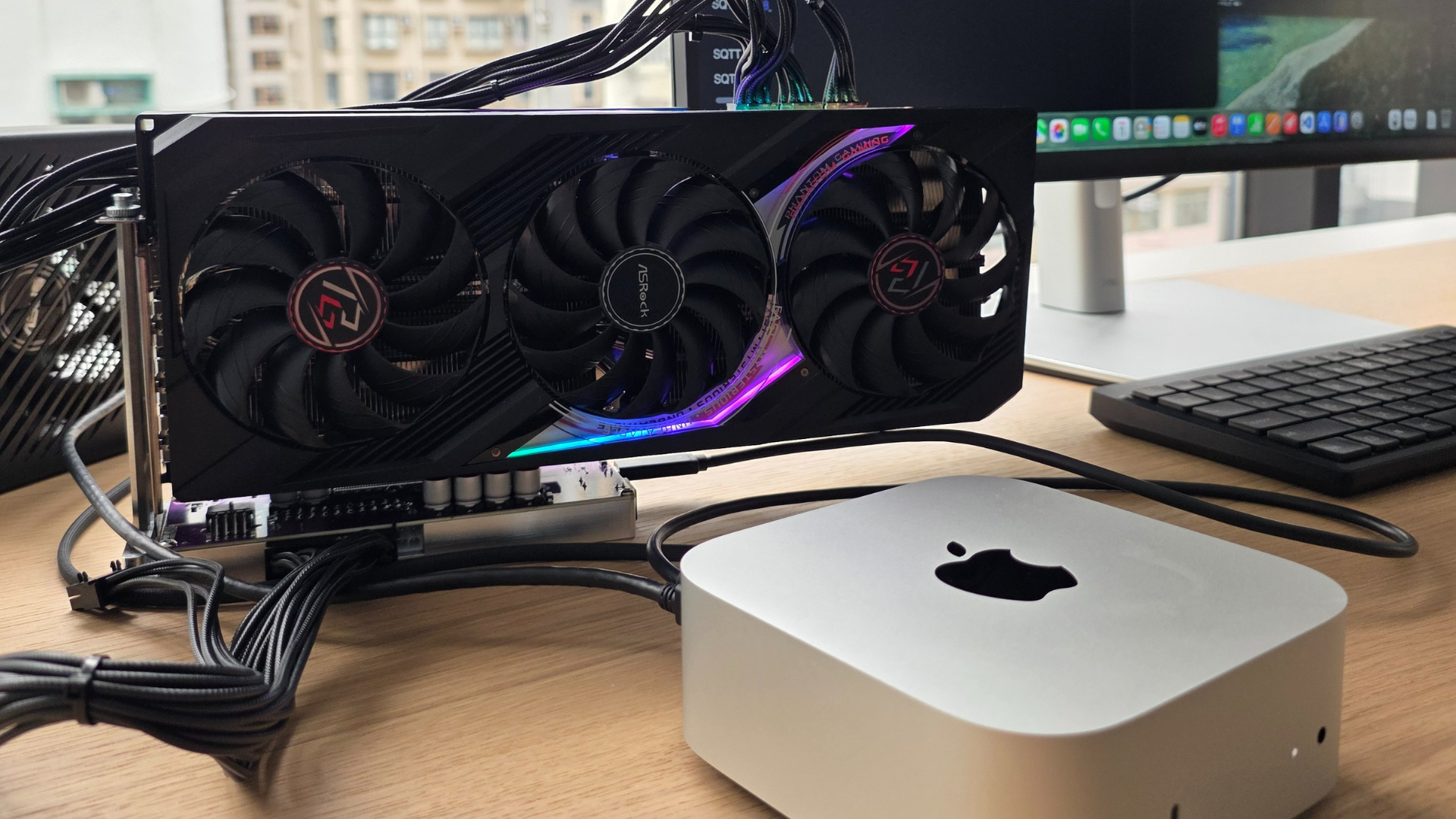
- AMD + NVIDIA Hybrid Systems: Leveraging PCIe expandability for “Frankenstein” rigs that mix high VRAM GPUs with enormous system RAM.
- Cloud Instances: Ironically, Apple’s move may push more workloads back to AWS, GCP, or Azure, where ephemeral, high-memory instances are still (for now) plentiful.
The move pushes developers toward traditional PC workstation builds, which contradicts the elegance and simplicity that made Apple Silicon attractive for this use case. Apple’s walled garden just became a trap for a key user base.
The Contradiction at the Heart of Apple’s AI Strategy
Here lies the central tension. On one hand, Apple is investing billions into its “Apple Intelligence” cloud inference engine and on-device Neural Engine performance, as detailed in our analysis of the M5 Max’s 614GB/s memory bandwidth. On the other, it is systematically removing the hardware required to run the most powerful, most private, and most developer-friendly open-source models locally.
It’s a philosophical split. Is AI a service to be consumed (via Apple’s cloud), or a capability to be owned and tinkered with (on local hardware)? By cutting off the high end, Apple seems to be voting for the former, at least for professional-grade AI. They are betting that a combination of their Neural Engine’s efficiency (running smaller, distilled models) and their cloud platform will satisfy the market. The developers who want to run Llama 3.3 70B, Qwen3 30B-A3B, or DeepSeek R1 locally are being told to look elsewhere.
What Comes Next? Strategies for a Constrained Future
For those committed to the Apple ecosystem, or those already invested in Mac-based AI workflows, adaptation is mandatory.
- Embrace Quantization Aggressively: The shift from Q8 to Q4_K_M becomes non-negotiable. Developers will have to become experts in the trade-offs of different quantization strategies to fit their models into 96GB.
- Model Selection Pivot: The appetite for massive dense models (like the classic 70B) will shrink in favor of Mixture-of-Experts (MoE) models like Qwen3 30B-A3B. Here, a 30B total parameter model only activates 3B parameters per token, delivering much of the capability in a smaller memory footprint.
- Rethink the Stack: Move inference workloads to cloud-based Apple Silicon instances (if and when they materialize) or explore browser-based, WebGPU-accelerated AI for specific tasks, reducing dependency on native hardware memory.
- Maximize the Hardware You Have: With upgrades impossible, squeezing every ounce of performance from Apple’s Unified Memory architecture becomes critical. This means optimizing software stacks, leveraging Metal Performance Shaders, and minimizing memory fragmentation.
The dream of a high-memory Mac Studio as the “AI developer’s dream machine” is, for now, on life support. Apple has shown that even in a market they helped create, they are willing to sacrifice the high-end enthusiast to manage supply chain pressures and, arguably, to guide users toward their own strategic vision of AI.
The message to the developers, researchers, and startups at the forefront of local AI is stark: your hardware ambitions have outgrown Apple’s willingness to supply them. The question is no longer when Apple will release a Mac Studio with 1TB of Unified Memory, but whether its current trajectory signals a permanent exit from the high-stakes game of professional-grade, local AI hardware. The future of sovereign AI may depend on finding a new champion.