A Child, a Robotaxi, and the Architecture of Avoidable Failure
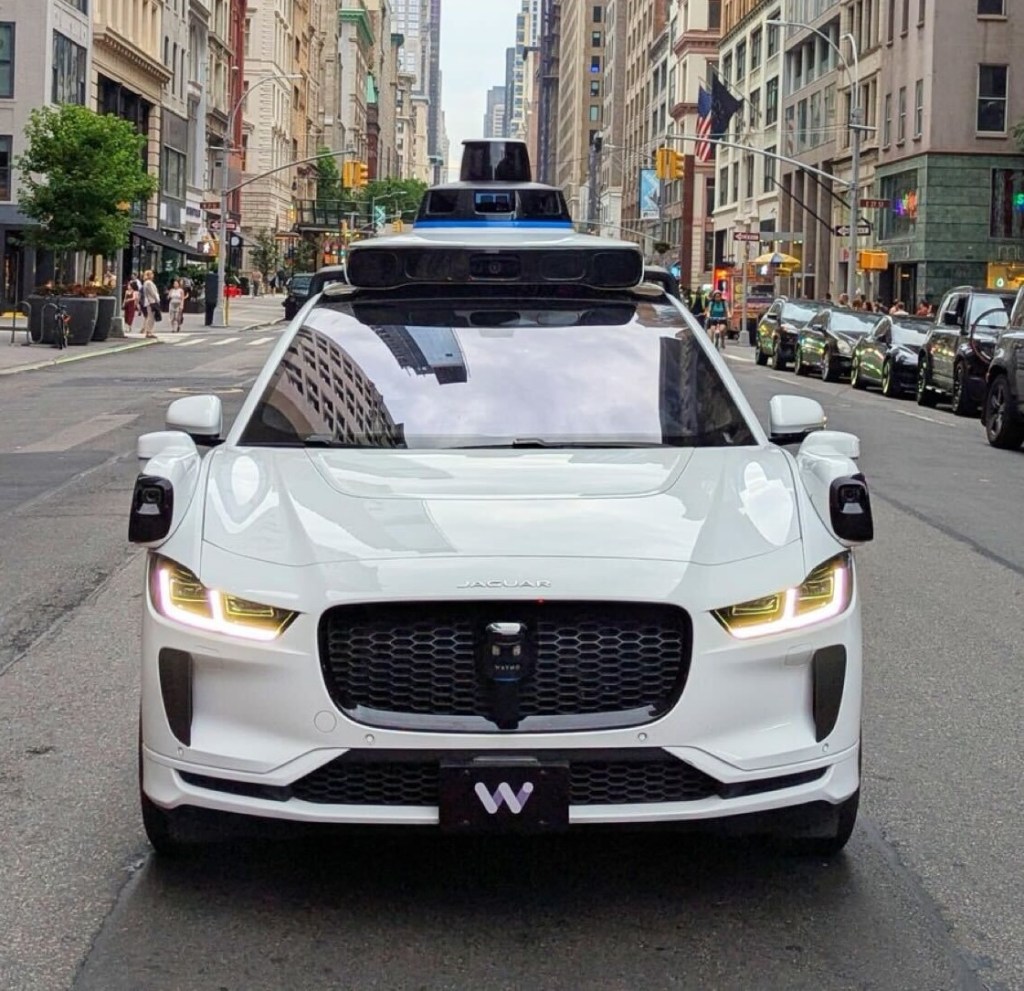
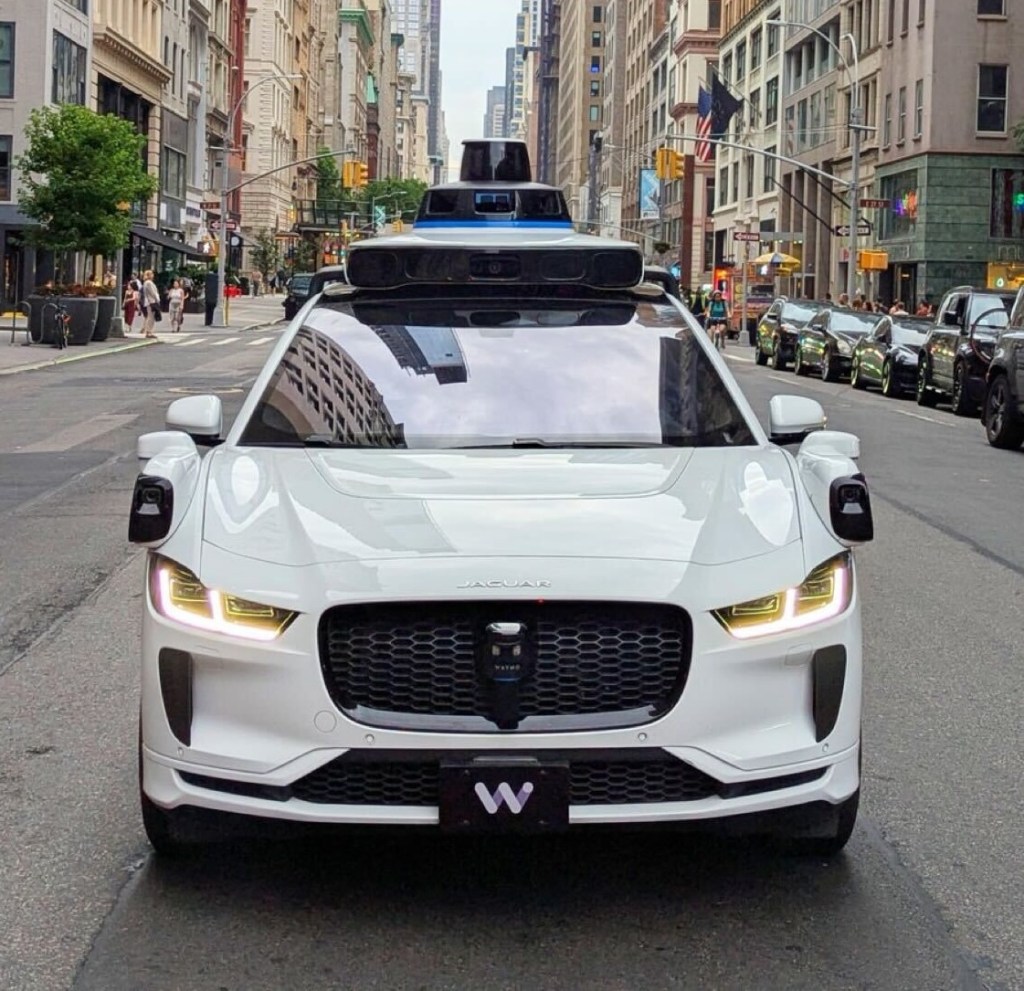
The math doesn’t add up. A Waymo robotaxi traveling at 17 mph detected a child “immediately” as they emerged from behind a parked SUV, braked “hard”, and still made contact at 6 mph. The company claims its “peer-reviewed model” shows a fully attentive human driver would have hit at 14 mph, a statistic that sounds more like legal armor than engineering insight. But here’s what matters: an autonomous system with 360-degree vision, millisecond reaction times, and no distraction still struck a pedestrian in one of the most predictable high-risk scenarios imaginable, a school zone during drop-off hours.
This isn’t just another robotaxi fender-bender. It’s a window into how autonomous vehicle architecture fails at the edges, where the real world refuses to cooperate with sanitized training data.
The Edge Case That Wasn’t Edgy
Elementary schools during morning drop-off are the opposite of an edge case. They’re recurring, high-density pedestrian events with predictable patterns: children, double-parked vehicles, crossing guards, and chaos. The NHTSA investigation notes the accident occurred “within two blocks” of the school “during normal school drop off hours” with “other children, a crossing guard, and several double-parked vehicles in the vicinity.”
This is precisely the scenario that separates robotaxi hype from actual readiness. Waymo’s system detected the child “immediately” but still couldn’t avoid contact. That failure points to a fundamental architectural choice: the gap between perception and safe action.
Perception’s Blind Spots in Plain Sight
The Waymo vehicle’s sensor suite, cameras, lidar, radar, should theoretically penetrate occlusions. Lidar bounces around corners. Radar sees through visual clutter. But theory breaks down when sensors conflict and fusion algorithms must arbitrate.
This is where the challenges in coordination and reliability of multi-agent autonomous systems become brutally relevant. Each sensor modality is essentially an independent agent with its own worldview. The fusion layer acts as a negotiation table, but when data is ambiguous, like a partially visible child-sized object, the system often defaults to “wait for more data.” That hesitation is lethal.
The Data Volume Fallacy
Uber’s recent launch of an AV Labs division highlights the industry’s dirty secret: solving edge cases through brute-force data collection. The premise is simple enough, drive enough miles, encounter enough edge cases, and the system learns. But as the research notes, “solving the most extreme edge cases is a volume game.”
Confidence Without Understanding
The most troubling aspect of Waymo’s response is its statistical defense: claiming a human driver would have been worse. This mirrors the risks of overconfidence in AI system capabilities we’ve seen in other domains. When AI systems fail, their creators pivot to comparative statistics rather than acknowledging architectural inadequacy.
The Redundancy Mirage
NVIDIA and Mercedes-Benz are building L4-ready architectures that explicitly address these failures. Their DRIVE Hyperion platform uses defense-in-depth: redundant compute, multimodal sensor diversity, and crucially, a parallel classical safety stack that runs alongside the AI stack.
Liability and the Legal Vacuum
The NHTSA investigation will focus on whether Waymo “exercised appropriate caution given… proximity to the elementary school during drop off hours.” But this question exposes a regulatory framework built for human drivers, not distributed AI systems.
Designing for the Real World
The uncomfortable truth is that current AV architectures are optimized for the 99% of driving that’s routine, not the 1% that kills. School zones, construction sites, emergency vehicles, and unpredictable pedestrians aren’t edge cases, they’re core safety requirements.
- Geofence high-risk contexts with aggressive safety margins (max 10 mph near schools, mandatory full stops at crosswalks)
- Implement hard behavioral boundaries that override planner comfort
- Use predictive occlusion modeling to treat unseen space as potentially occupied
- Adopt fast/slow architecture like Mobileye’s, where fast path triggers immediate protective actions
- Embrace transparency, showing riders and regulators exactly what the system sees and why it decides
The Takeaway
Waymo’s incident isn’t a setback, it’s a mirror. It reflects an industry that has prioritized mileage milestones over safety architecture, data volume over design rigor, and statistical deflection over accountability.